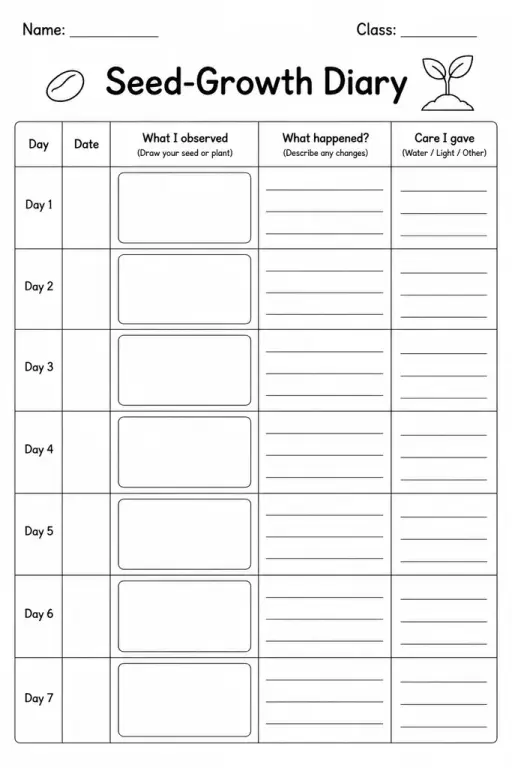
Seed-Growth Diary
Science Templates
Ages 4–11
——
KiwiBee uses optional Google Analytics, Google Ads, and Meta Pixel cookies to understand adult visitors, measure completed sign-ups, and improve campaigns. Essential cookies always stay on. OpenAI’s ChatGPT Ads Pixel also measures page views and completed enquiries after advertising consent, and may use hashed contact details for matching. Privacy policy

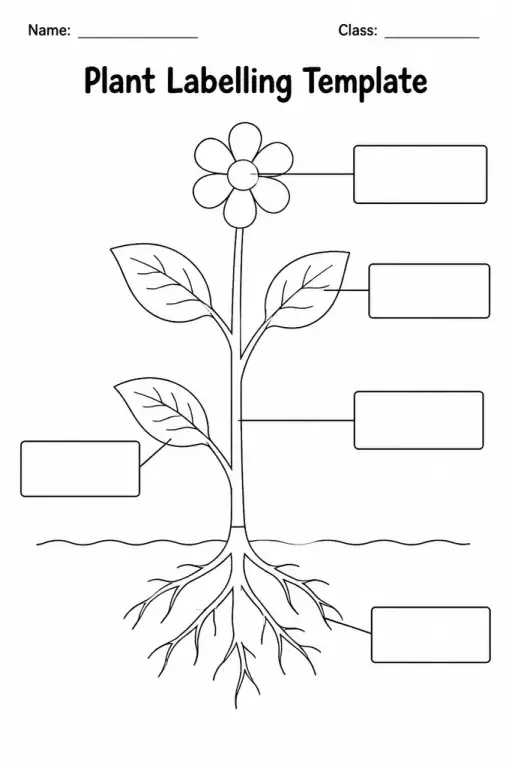
This blank flower diagram gives students a clean, print-ready illustration of a flower with empty label lines pointing to each major structure. Designed for grades 2–6, it works equally well as an introduction to plant anatomy or as a review tool before a test. Teachers hand it out during a botany unit, and students fill in labels such as petal, sepal, stamen, pistil, stem, and roots either from memory or alongside class notes. Parents tutoring at home will find the template just as useful—print it once, slip it into a page protector, and children can write on it with a dry-erase marker and reuse it dozens of times. Because the diagram is unlabelled, it doubles as both a teaching aid and an assessment tool without any extra preparation.
The blank diagram typically shows the petal, sepal, receptacle, stamen (anther and filament), pistil (stigma, style, ovary), stem, and roots—covering all structures expected in grades 2–6 curricula.
Yes. For grades 2–3, you can provide a word bank alongside the template so students focus on matching terms to structures rather than recalling vocabulary from scratch.
Absolutely. Print on cardstock, laminate, and students can write with dry-erase markers and wipe clean after each use, making one print last the whole year.
This is a blank template only—no answers are printed on it. The blank format means it works as both a learning activity and a formal assessment, and it never gives answers away by accident.
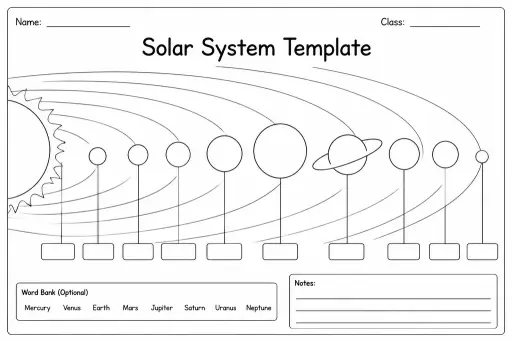
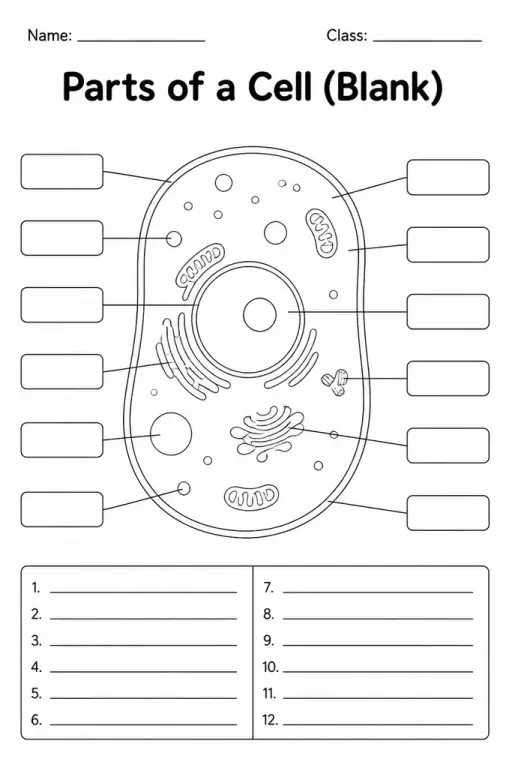
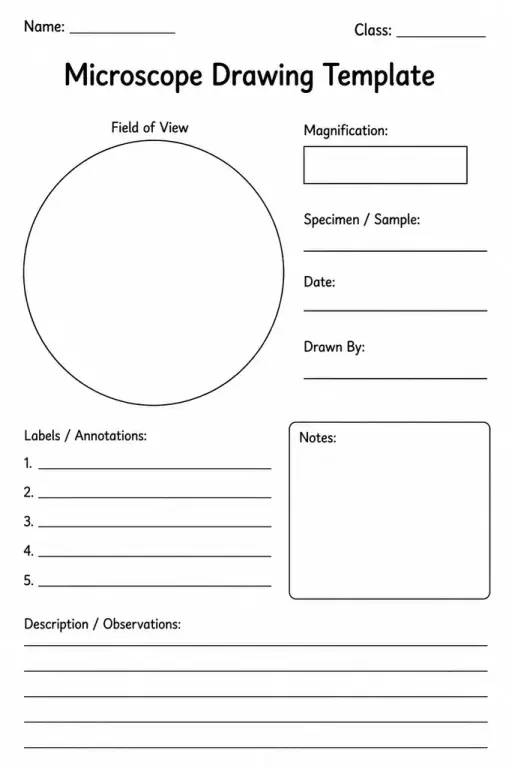
See what other teachers think and share a helpful note.
Generate a fresh worksheet for any grade, topic and language. Free.
 Home
Home All solutions
 Pricing
 About us
 KiwiBee for Non-profits
 Events & webinars
 For big organisations
 For schools
 For centers
 For team leaders
 For teachers
 AI and resources
 Resources
 Printable worksheets
 Lesson Packs
 Interactive simulations
 Teacher tools
 AI studio
 Ideas and research