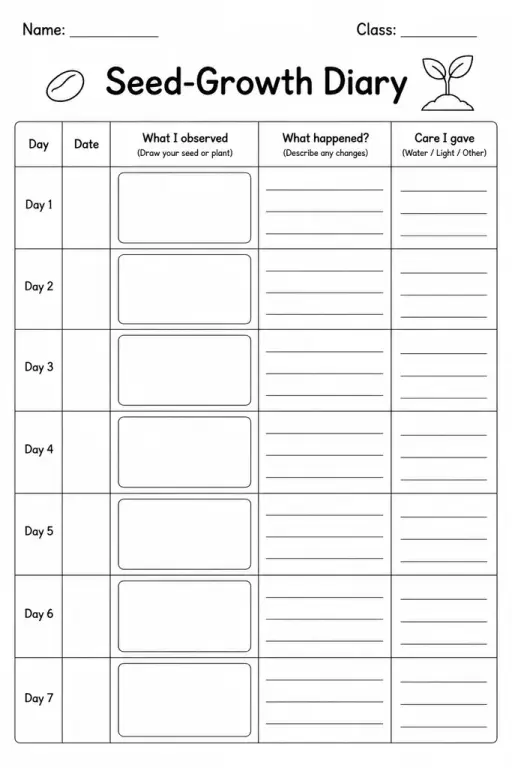
Seed-Growth Diary
Science Templates
Ages 4–11
——
KiwiBee uses optional Google Analytics, Google Ads, and Meta Pixel cookies to understand adult visitors, measure completed sign-ups, and improve campaigns. Essential cookies always stay on. OpenAI’s ChatGPT Ads Pixel also measures page views and completed enquiries after advertising consent, and may use hashed contact details for matching. Privacy policy

The Weather Diary / Chart is a daily recording grid designed for Kindergarten through Grade 4 students to observe, draw, and write about the weather each day over a week or month. Rows are labelled by date and columns prompt students to record temperature, sky conditions, precipitation, wind, and a brief written or drawn observation. The pictorial column makes it accessible for early readers who can circle or draw a sun, cloud, or raindrop rather than write full sentences. Teachers use it as a five-minute morning routine anchor—students update the chart at the start of each day, building habitual observation skills. Parents find it equally useful for a month-long home science project, especially during seasons with dramatic weather changes. Over time a completed chart doubles as a data source for simple graphing and pattern-spotting lessons.
Yes. The pictorial symbols column allows Kindergarten students to circle or draw weather icons without needing to write words, making it fully accessible from day one of school.
Typically 3–5 minutes. It is designed to be a brief daily routine, not a long exercise, so it fits easily into a morning meeting or transition time.
Yes. There is a dedicated temperature column where students write the reading from a classroom thermometer or a shared digital weather display, introducing basic measurement skills.
Laminating the chart allows dry-erase weekly reuse. Alternatively, print multiple copies and keep them in sequence in a science journal to build a longer-term dataset for pattern analysis.
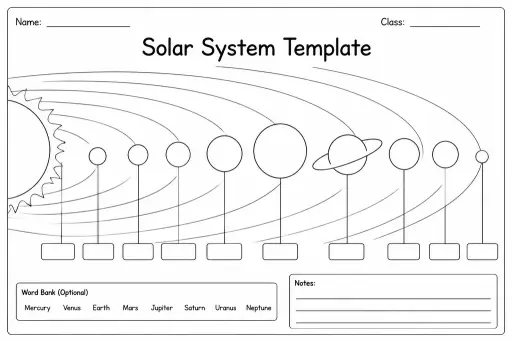
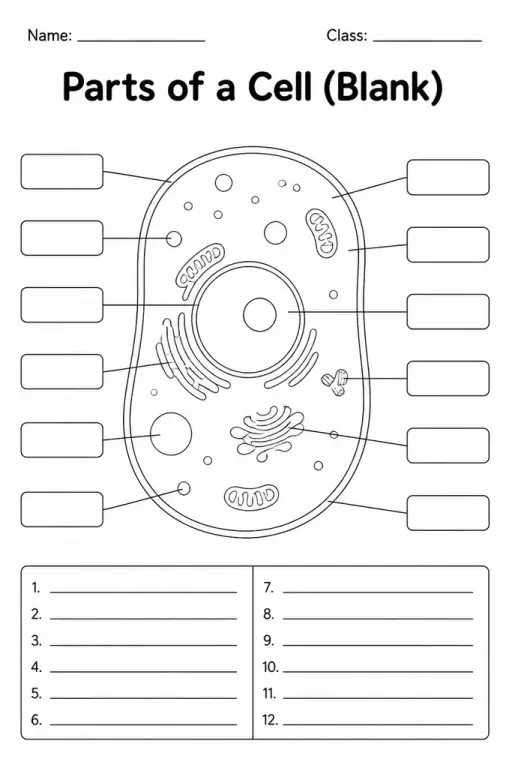
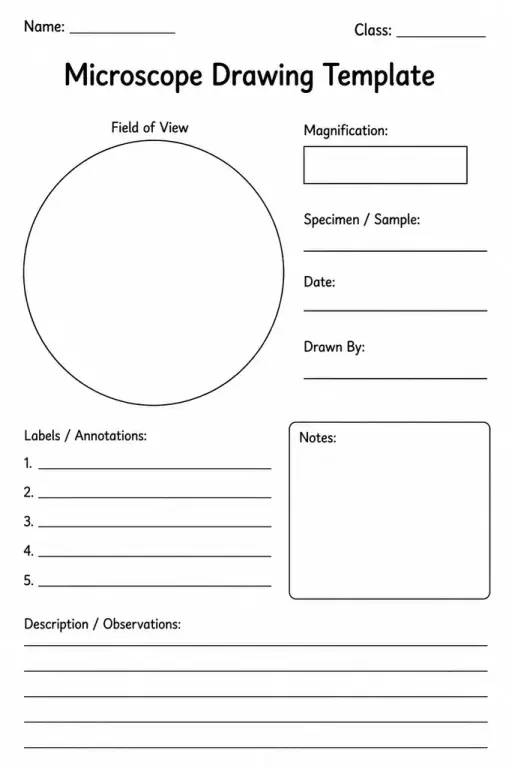
See what other teachers think and share a helpful note.
Generate a fresh worksheet for any grade, topic and language. Free.
 Home
Home All solutions
 Pricing
 About us
 KiwiBee for Non-profits
 Events & webinars
 For big organisations
 For schools
 For centers
 For team leaders
 For teachers
 AI and resources
 Resources
 Printable worksheets
 Lesson Packs
 Interactive simulations
 Teacher tools
 AI studio
 Ideas and research