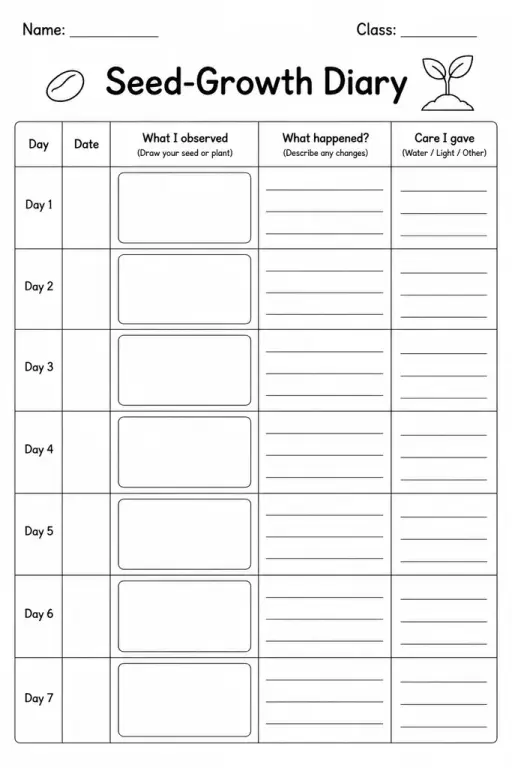
Seed-Growth Diary
Science Templates
Ages 4–11
——
KiwiBee uses optional Google Analytics, Google Ads, and Meta Pixel cookies to understand adult visitors, measure completed sign-ups, and improve campaigns. Essential cookies always stay on. OpenAI’s ChatGPT Ads Pixel also measures page views and completed enquiries after advertising consent, and may use hashed contact details for matching. Privacy policy

The Human Body Outline (Blank) is a clean, front-facing silhouette of a human figure printed on a single page, ready for students to label, annotate, or illustrate. Grades 2–6 use it across anatomy, health, and personal safety units whenever a visual anchor is needed—whether tracing major organ systems, marking skeletal landmarks, or mapping the five senses. Teachers appreciate that the outline works equally well as a whole-class modelling tool projected on a whiteboard and as an individual printable tucked into a science journal. Parents use it for home-study revision before tests. Because nothing is pre-filled, the blank slate encourages recall over copying, making it genuinely useful for formative checks and self-assessment.
It is designed for Grades 2–6, but the blank format makes it adaptable—younger students label 4–5 obvious parts while older students annotate full organ systems.
Yes. The silhouette provides a clear backdrop for overlaying bone positions with dotted lines or a coloured pencil layer on top of the body outline.
Black and white works best because students colour-code it themselves; this active step reinforces memory better than a pre-coloured version.
Laminate individual copies and students write on them with dry-erase markers. One set of 30 laminated sheets can serve a whole school year.
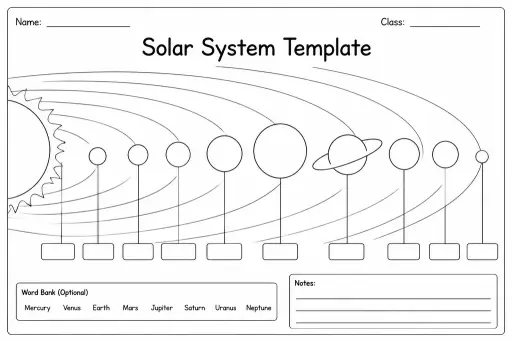
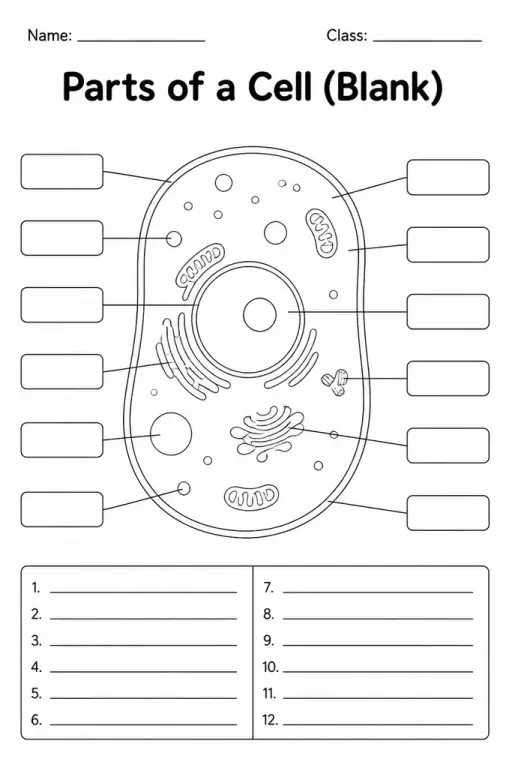
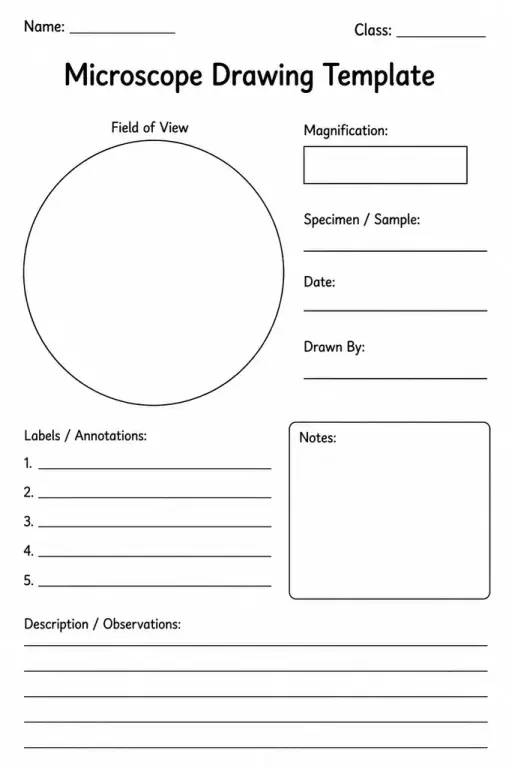
See what other teachers think and share a helpful note.
Generate a fresh worksheet for any grade, topic and language. Free.
 Home
Home All solutions
 Pricing
 About us
 KiwiBee for Non-profits
 Events & webinars
 For big organisations
 For schools
 For centers
 For team leaders
 For teachers
 AI and resources
 Resources
 Printable worksheets
 Lesson Packs
 Interactive simulations
 Teacher tools
 AI studio
 Ideas and research