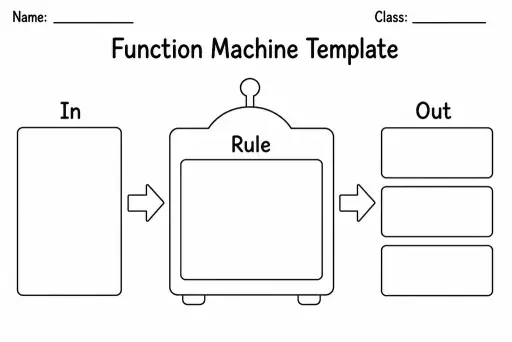
Function Machine Template
Math Templates
Ages 4–11
——
KiwiBee uses optional Google Analytics, Google Ads, and Meta Pixel cookies to understand adult visitors, measure completed sign-ups, and improve campaigns. Essential cookies always stay on. OpenAI’s ChatGPT Ads Pixel also measures page views and completed enquiries after advertising consent, and may use hashed contact details for matching. Privacy policy

The Triangular Tessellation Grid is a blank printable page covered in a repeating pattern of equilateral triangles, forming a seamless tiling surface that bridges mathematics and visual art. Students in grades 3–8 use it to explore geometric concepts such as tessellation, symmetry, area, and perimeter in a hands-on way — tracing, shading, or building shapes directly on the pre-drawn triangular network. The grid makes it straightforward to construct hexagons, rhombuses, trapezoids, and larger composite shapes simply by grouping triangles. Teachers rely on this template for geometry units, STEAM projects, and patterning activities because the triangular structure encourages spatial reasoning in a way square grids do not. It is equally useful in art class for creating Islamic geometric designs, quilt patterns, or mosaic drawings with precise angular symmetry.
Square graph paper forms a rectangular lattice, while this triangular grid forms 60-degree angles, making it ideal for hexagonal patterns, isometric drawings, and tessellations that square grids cannot support cleanly.
Yes. The equilateral triangle layout is the standard base for isometric projection drawings, where three-dimensional objects are sketched on a flat surface using consistent 60-degree angles.
Yes — third graders can use it for hands-on shape exploration and coloring patterns without needing to know formal tessellation vocabulary. The visual structure makes the concepts accessible at an early age.
On the standard letter-size version, each equilateral triangle has sides of approximately 0.5 inches, providing enough space for clear coloring and labeling with a standard pencil or marker.
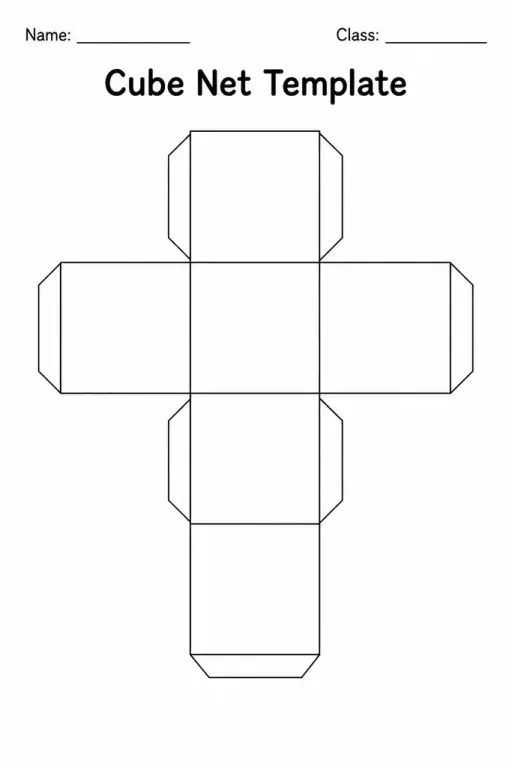
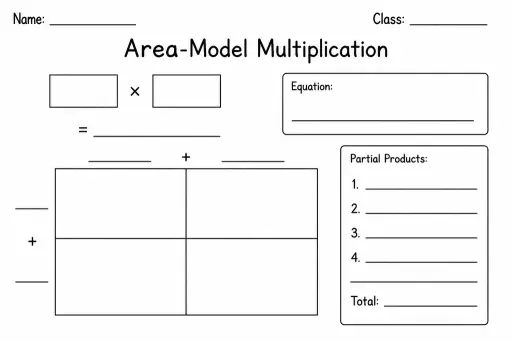
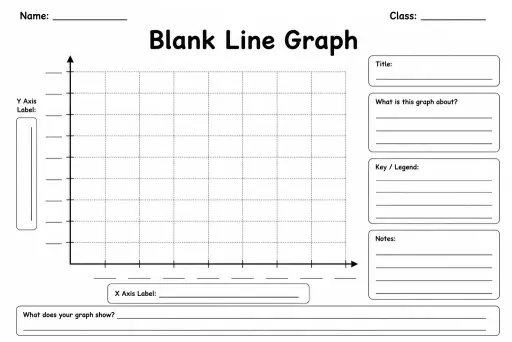
See what other teachers think and share a helpful note.
Generate a fresh worksheet for any grade, topic and language. Free.
 Home
Home All solutions
 Pricing
 About us
 KiwiBee for Non-profits
 Events & webinars
 For big organisations
 For schools
 For centers
 For team leaders
 For teachers
 AI and resources
 Resources
 Printable worksheets
 Lesson Packs
 Interactive simulations
 Teacher tools
 AI studio
 Ideas and research