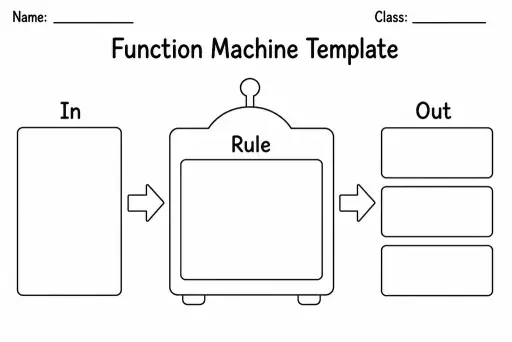
Function Machine Template
Math Templates
Ages 4–11
——
KiwiBee uses optional Google Analytics, Google Ads, and Meta Pixel cookies to understand adult visitors, measure completed sign-ups, and improve campaigns. Essential cookies always stay on. OpenAI’s ChatGPT Ads Pixel also measures page views and completed enquiries after advertising consent, and may use hashed contact details for matching. Privacy policy

The frequency table template provides a clean multi-column table with blank rows for recording values or intervals and their corresponding counts, making it the go-to data-organisation tool for grades 2–8. Unlike a raw tally chart, a frequency table can group data into class intervals (e.g. 0–9, 10–19) or list individual values alongside frequencies, relative frequencies, or percentages depending on grade level. Teachers in both maths and science lessons use it as the first step before constructing histograms or bar charts; older students in grades 6–8 use it to organise large data sets and calculate measures of central tendency from grouped data.
A tally chart captures raw live counts with tally strokes; a frequency table is a neater summary that records the final numeric count, often with extra columns for relative frequency or percentage.
A good rule of thumb for this age range is 5–10 intervals. Divide the data range by your desired number of groups to set the interval width, then round to a convenient number.
Yes, for simple discrete data. Pre-fill the category names and ask students only to write the count number, keeping the cognitive demand appropriate for younger learners.
The blank extra column on the right is designed for exactly that. Students in grades 7–8 can add cumulative frequency to prepare for ogive curves or quartile work.
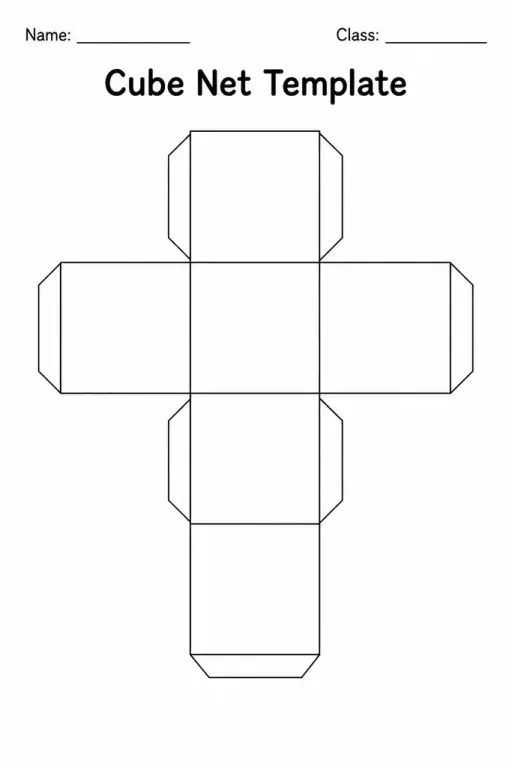
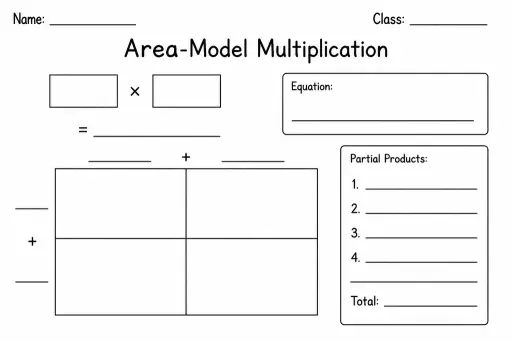
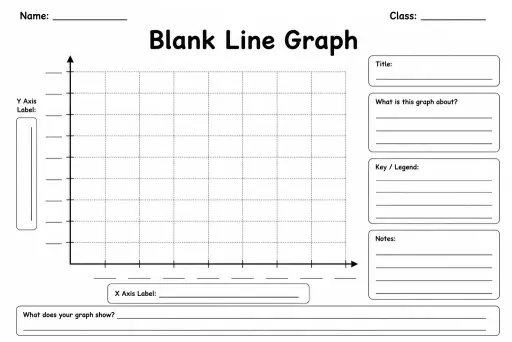
See what other teachers think and share a helpful note.
Generate a fresh worksheet for any grade, topic and language. Free.
 Home
Home All solutions
 Pricing
 About us
 KiwiBee for Non-profits
 Events & webinars
 For big organisations
 For schools
 For centers
 For team leaders
 For teachers
 AI and resources
 Resources
 Printable worksheets
 Lesson Packs
 Interactive simulations
 Teacher tools
 AI studio
 Ideas and research