Printable template
Sorting Circles / Hoops
Overlapping sorting rings, blank.
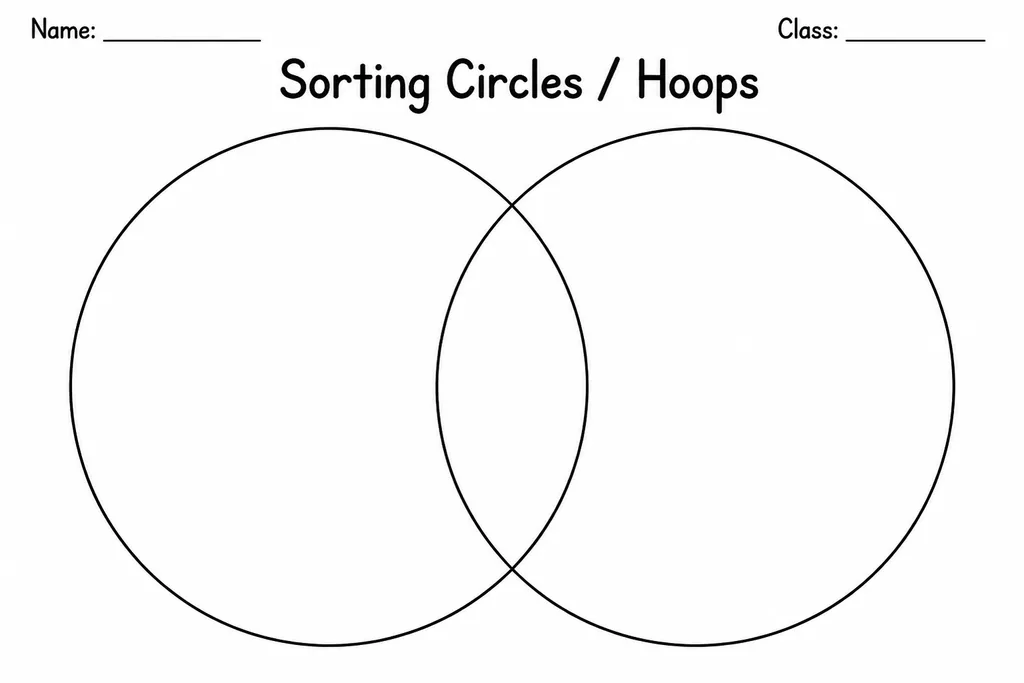
Sorting circles — also called sorting hoops or loop diagrams — are two or three large overlapping rings printed on a single sheet, blank and ready for students to label and fill. The intersecting areas let learners place items that belong to more than one group in the shared region, making this a more open-ended sorting tool than a grid. Designed for kindergarten through grade 4, sorting circles are a classroom staple for early maths (sorting by colour, shape, or size), science (classifying living vs non-living things), and literacy (grouping words by first letter or word family). The intentionally generous blank spaces inside each ring fit sticky notes, drawn pictures, or written words — making the template flexible enough for whole-class carpet sessions with physical objects or individual pencil-and-paper sorting tasks.
Learning objectives
- Sort concrete objects or words into groups based on one or two shared attributes
- Understand that items sharing more than one property belong in the overlapping region
- Develop early classification and categorisation thinking
- Use mathematical and scientific vocabulary to label each sorting group
- Record and communicate sorting decisions in a clear visual format
How to use this template
- Print the blank sorting circles template on A4 or letter paper; for whole-class use, print A3 or project on a screen.
- Write a label inside or above each ring to define the sorting rule (e.g. 'red shapes', 'triangles').
- Place or draw items in the correct ring, or in the overlapping section if they match both labels.
- Discuss any items that do not belong in either ring and decide whether to leave them outside or add a third ring.
- Laminate a class set for a wipe-clean reusable sorting mat; use dry-erase markers so labels change between lessons.
Classroom & home ideas
- Attribute blocks: place plastic shape tiles and sort by colour in one ring and shape in the other; move squares of multiple colours to the correct zones.
- Number sorting: label rings 'odd numbers' and 'less than 10'; write numbers 1–20 and decide where each lands, including the overlap.
- Word families: put '-at words' in one ring and '-an words' in the other; challenge students to find words that fit both (trick question — great discussion starter).
- Science habitats: sort animal picture cards by 'lives on land' and 'lives in water'; animals like frogs and crocodiles go in the overlap.
- Take-home activity: send the blank template home and ask families to sort fruit in the fridge by colour and texture together.
Skills practised
Frequently asked questions
How many rings does this template have?
The standard template prints two overlapping rings (a classic two-set Venn layout). Some versions include a third ring for grade-3 and above to create a three-attribute sort with seven distinct regions.
What if a student puts everything in one ring and ignores the other?
This is a common early sorting mistake. Encourage the student to read both labels aloud, then hold up each item and ask 'Does this fit ring A? Does it also fit ring B?' Slowing down the question sequence helps them notice the overlap.
Can I use real objects on the printed template?
Yes. Lay the printed sheet flat on a desk and place physical objects — coins, buttons, blocks, or cards — directly inside the rings. Students can move items around freely before committing to a final arrangement.
Is this the same as a Venn diagram?
Functionally yes — the overlapping-rings structure is identical to a two-set Venn diagram. 'Sorting circles' or 'hoops' is the preferred name in primary classrooms (K–4) because it sounds less technical and relates to the physical hoops often used on the carpet.
Likes & comments
See what other teachers think and share a helpful note.
Create more worksheets in our Worksheet Studio
Generate fresh worksheets for any grade, topic, and language — free.
Open the Worksheet StudioRelated worksheets
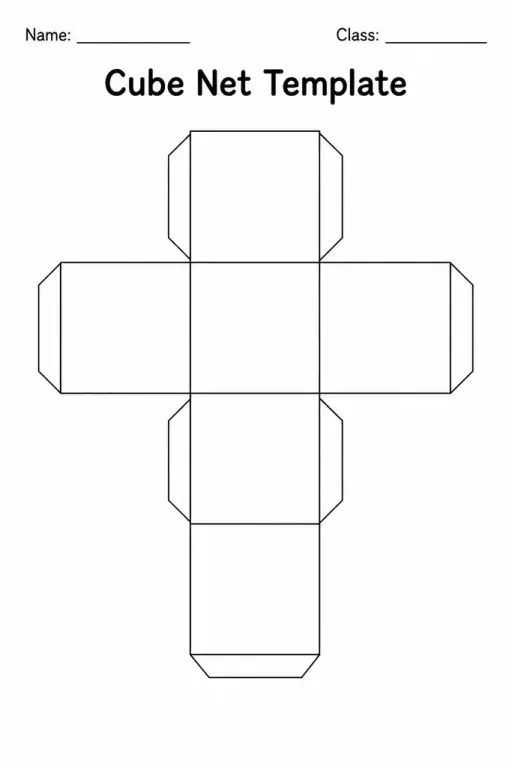
Cube Net Template
Triangular / Tessellation Grid
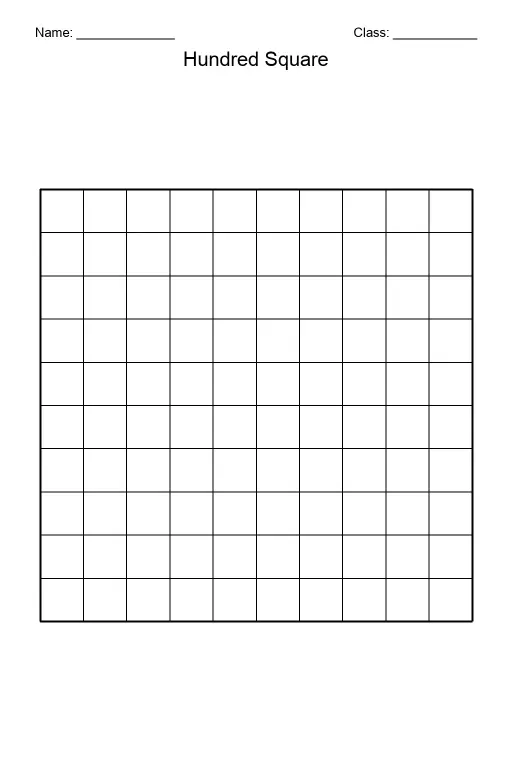
Hundred Square (Blank)
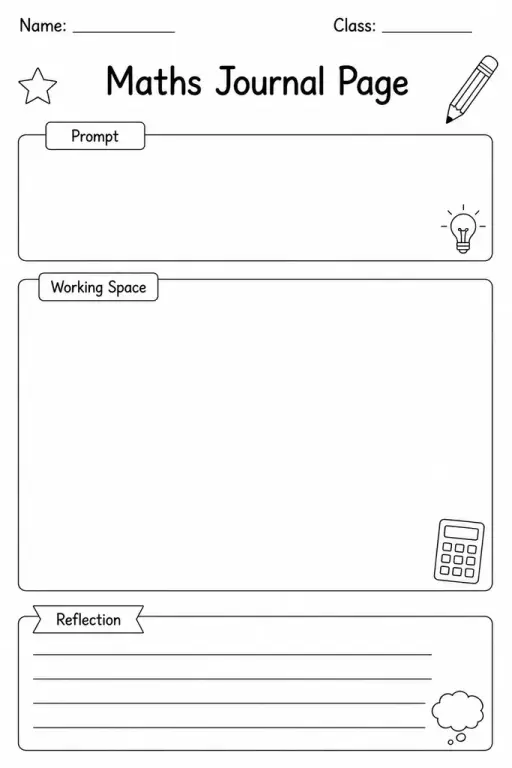
Maths Journal Page
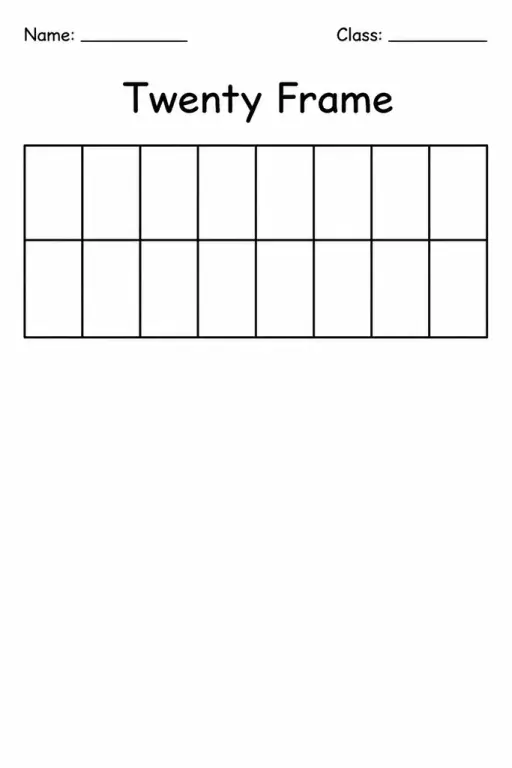
Twenty Frame
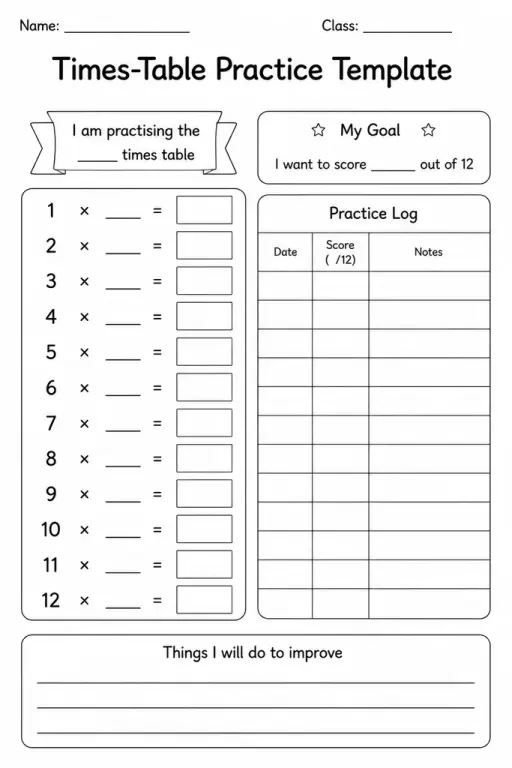
Times-Table Practice Template
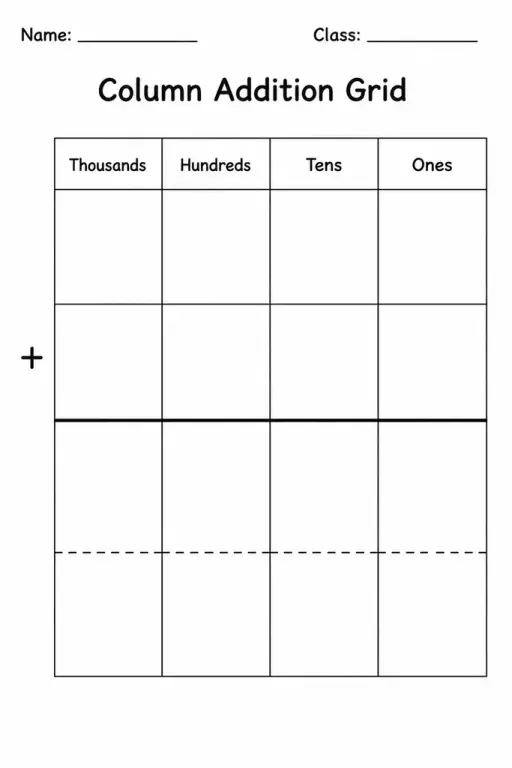
Column Addition Grid
 For big organisations
 For schools
 For centers
 For team leaders
 For teachers
 AI and resources
 Printable worksheets
 Interactive simulations
 Teacher tools
 AI studio
 Ideas and research