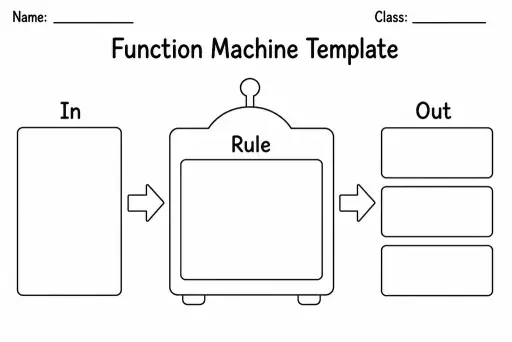
Function Machine Template
Math Templates
Ages 4–11
——
KiwiBee uses optional Google Analytics, Google Ads, and Meta Pixel cookies to understand adult visitors, measure completed sign-ups, and improve campaigns. Essential cookies always stay on. OpenAI’s ChatGPT Ads Pixel also measures page views and completed enquiries after advertising consent, and may use hashed contact details for matching. Privacy policy

The Single Ten Frame is a blank, printable grid of ten equal boxes arranged in two rows of five — the most widely used visual tool for building early number sense in PreK through grade 2. Students place counters, draw dots, or color squares inside the frame to represent numbers up to ten, instantly seeing how each number relates to five and to ten. Kindergarten and first-grade teachers keep a class set laminated for daily warm-ups, number talks, and addition explorations. Parents use a single copy on the refrigerator for playful counting practice. The uncluttered single-frame format is intentionally simple: nothing distracts from the core task of anchoring every number to a clear visual structure, making it the go-to starting mat for any early numeracy routine.
It is ideal for PreK through grade 2, typically ages 4–8. Younger children focus on counting 1–5; older students in the set use it for addition and subtraction within 10.
Yes — consistent left-to-right, top-row-first filling lets children instantly see the five-anchor (top row full) and compare quantities visually. Reinforce this convention from the first lesson.
Absolutely. Most PDF editors and print dialogs let you choose 2-up or 4-up printing. Multiple small frames per page are handy for independent worksheet activities.
The single frame holds numbers up to 10. The double ten frame pairs two frames for numbers up to 20, supporting kindergarten and grade 1 work beyond ten.
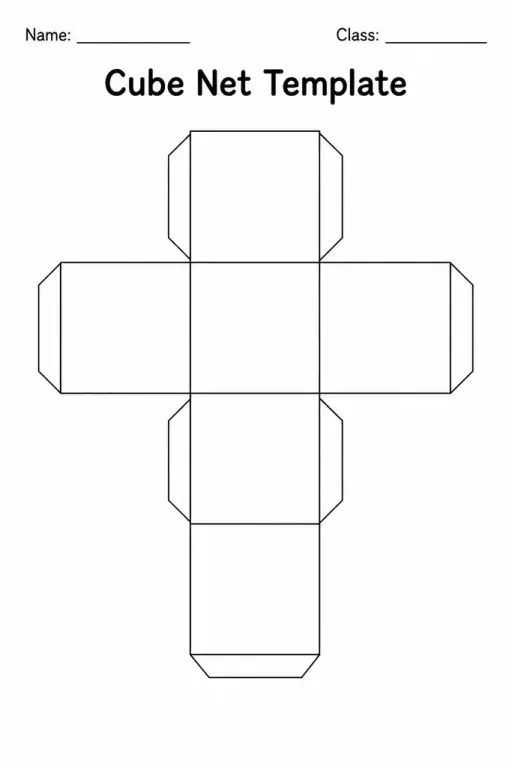
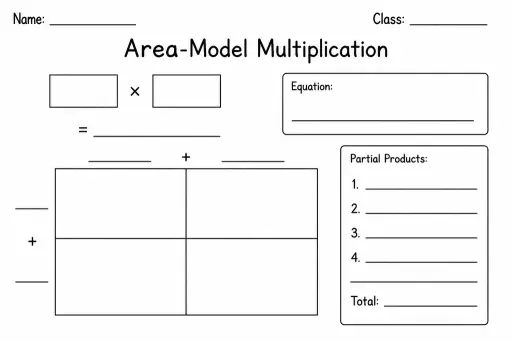
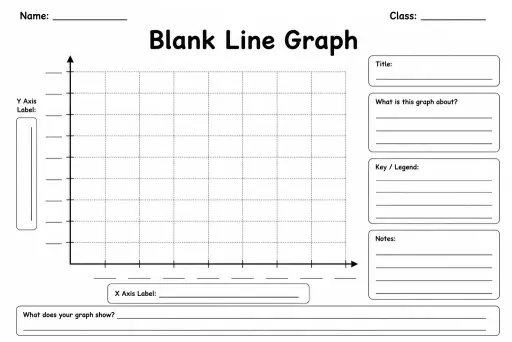
See what other teachers think and share a helpful note.
Generate a fresh worksheet for any grade, topic and language. Free.
 Home
Home All solutions
 Pricing
 About us
 KiwiBee for Non-profits
 Events & webinars
 For big organisations
 For schools
 For centers
 For team leaders
 For teachers
 AI and resources
 Resources
 Printable worksheets
 Lesson Packs
 Interactive simulations
 Teacher tools
 AI studio
 Ideas and research