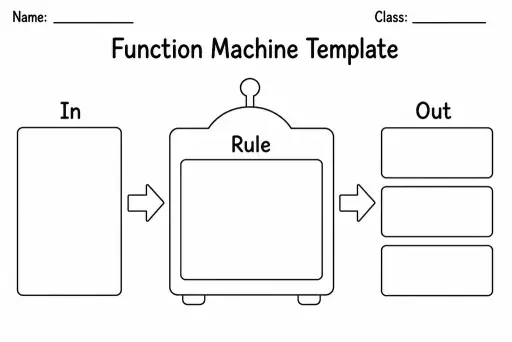
Function Machine Template
Math Templates
Ages 4–11
——
KiwiBee uses optional Google Analytics, Google Ads, and Meta Pixel cookies to understand adult visitors, measure completed sign-ups, and improve campaigns. Essential cookies always stay on. OpenAI’s ChatGPT Ads Pixel also measures page views and completed enquiries after advertising consent, and may use hashed contact details for matching. Privacy policy

Polar Graph Paper features a series of evenly spaced concentric circles crossed by radial lines emanating from a central pole, creating the circular coordinate system used in advanced mathematics. Students in grades 6–8 use it to plot polar coordinates, explore circular symmetry, graph trigonometric patterns, and visualize concepts that rectangular grids cannot capture cleanly. The blank template lets learners practice converting between polar and rectangular forms, sketch rose curves, or map angles without the friction of drawing circles by hand. Teachers use this paper during geometry units on circles, arc length, and angles, as well as in pre-algebra and pre-calculus introductions to non-rectangular coordinate systems. Art-integrated STEM projects also benefit from the radial layout, since students can create mathematically precise mandalas or symmetrical designs by following the printed circles and angle lines.
The standard version marks radial lines every 15 degrees (24 lines total), giving students common reference angles like 30°, 45°, 60°, 90°, and so on around the full 360°.
Most versions include eight to ten evenly spaced circles, providing enough radial distance to plot a variety of functions and coordinate pairs at different magnitudes.
Yes for introductory explorations of angles, circles, and symmetry — even if formal polar coordinate notation comes later. Many teachers use it in geometry units well before pre-calculus.
Absolutely. The concentric circles serve as precise radius guides, making it a great companion for construction activities that involve arcs and circles.
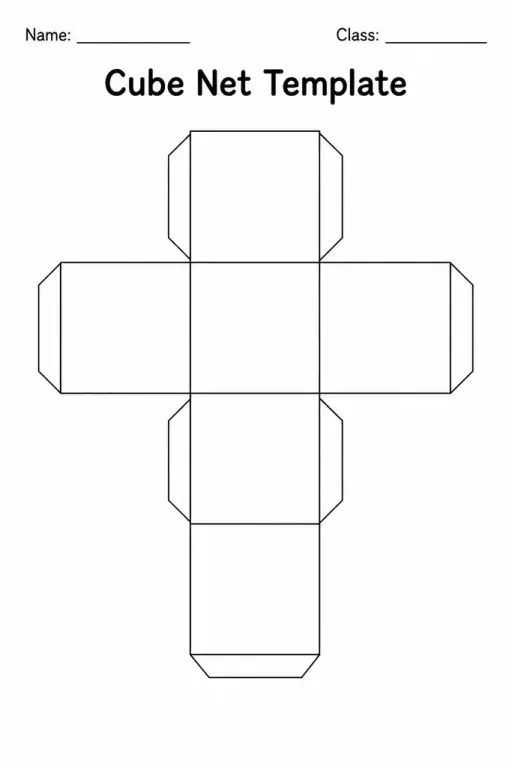
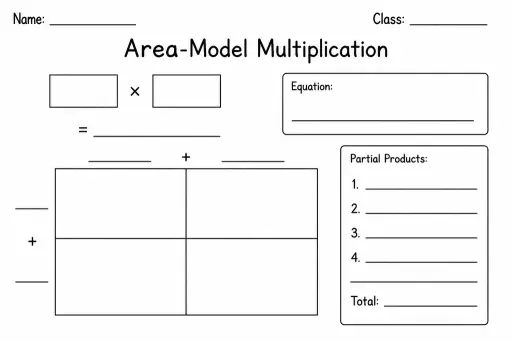
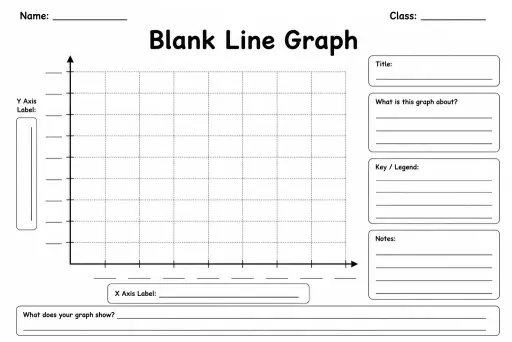
See what other teachers think and share a helpful note.
Generate a fresh worksheet for any grade, topic and language. Free.
 Home
Home All solutions
 Pricing
 About us
 KiwiBee for Non-profits
 Events & webinars
 For big organisations
 For schools
 For centers
 For team leaders
 For teachers
 AI and resources
 Resources
 Printable worksheets
 Lesson Packs
 Interactive simulations
 Teacher tools
 AI studio
 Ideas and research