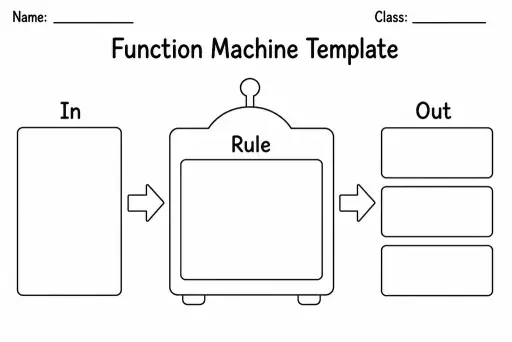
Function Machine Template
Math Templates
Ages 4–11
——
KiwiBee uses optional Google Analytics, Google Ads, and Meta Pixel cookies to understand adult visitors, measure completed sign-ups, and improve campaigns. Essential cookies always stay on. OpenAI’s ChatGPT Ads Pixel also measures page views and completed enquiries after advertising consent, and may use hashed contact details for matching. Privacy policy

The Place Value Chart with Decimals extends the standard whole-number column layout to include decimal places, spanning from the thousands column on the left all the way through tenths, hundredths, and thousandths on the right, with the decimal point clearly marked between ones and tenths. Students in grades 4–8 use it to record, compare, and compute with decimal numbers, making abstract decimal notation visually concrete. The blank cells let students write any value they choose, making the chart equally useful for a quick demonstration or a formal assessment scaffold. Science and math teachers both find it valuable: decimals appear in measurement, money, and data contexts across the curriculum. Print a single reference copy per student to keep in their binder, or distribute fresh copies whenever a new decimal operation is introduced.
The template includes seven columns: Thousands, Hundreds, Tens, Ones, Tenths, Hundredths, and Thousandths, with a clearly printed decimal point between Ones and Tenths.
Yes. Start with only the Ones, Tenths, and Hundredths columns for grade 4. The extra columns are there for when students progress; there is no obligation to use every column in early lessons.
The basic chart covers whole numbers to 999 and is suited for grades 1–5. This decimal version extends the range to thousands on the left and thousandths on the right, making it the right tool for grade 4 and up when decimals appear in the curriculum.
The chart helps students understand the decimal positions that underpin scientific notation, but it does not include an exponent row. It works best as a conceptual bridge before formal scientific notation instruction.
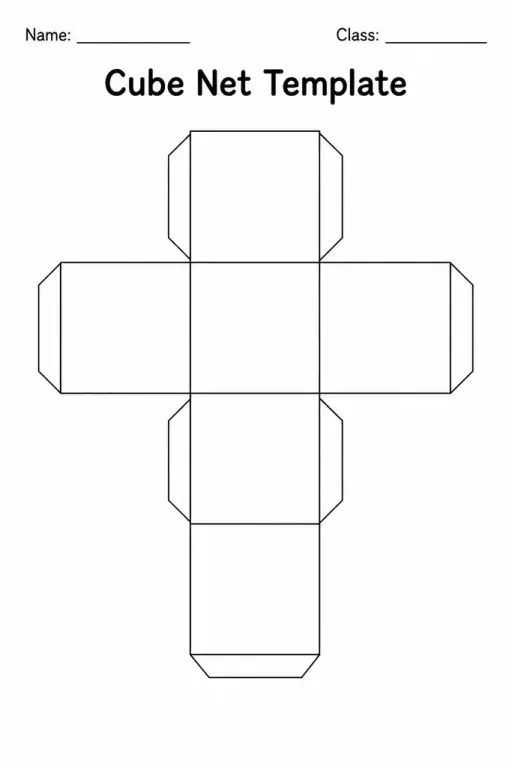
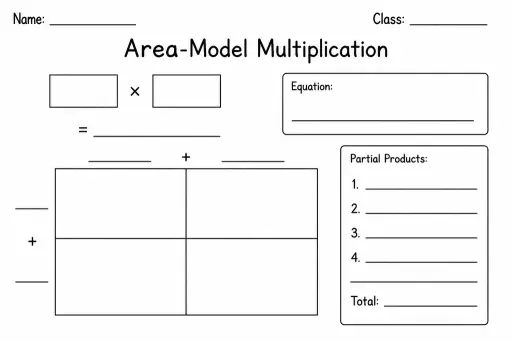
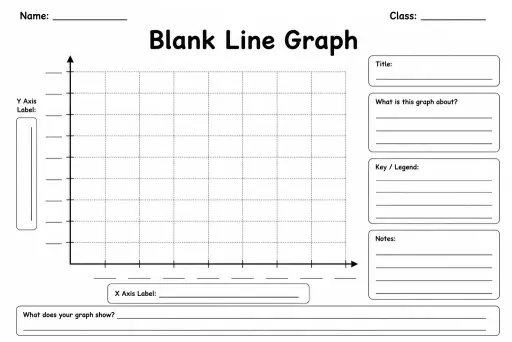
See what other teachers think and share a helpful note.
Generate a fresh worksheet for any grade, topic and language. Free.
 Home
Home All solutions
 Pricing
 About us
 KiwiBee for Non-profits
 Events & webinars
 For big organisations
 For schools
 For centers
 For team leaders
 For teachers
 AI and resources
 Resources
 Printable worksheets
 Lesson Packs
 Interactive simulations
 Teacher tools
 AI studio
 Ideas and research