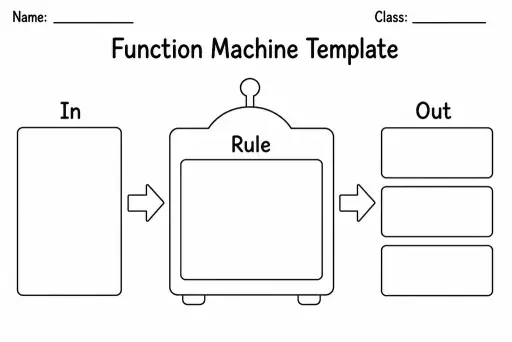
Function Machine Template
Math Templates
Ages 4–11
——
KiwiBee uses optional Google Analytics, Google Ads, and Meta Pixel cookies to understand adult visitors, measure completed sign-ups, and improve campaigns. Essential cookies always stay on. OpenAI’s ChatGPT Ads Pixel also measures page views and completed enquiries after advertising consent, and may use hashed contact details for matching. Privacy policy

A money mat is a blank working mat divided into labelled sections for different coin and note denominations, giving students a structured surface on which to sort, count, and calculate with currency. Students in grades 1 through 5 place real coins or draw pictures of them in the correct sections, then add totals to build fluency with money values, making change, and comparing amounts. Teachers use money mats during manipulative-based lessons so that handling physical coins does not descend into chaotic piles. The blank design means the mat adapts to any currency set the teacher provides — whether plastic teaching coins, printed coin cut-outs, or drawn representations. Upper-grade students use the mat as a structured workspace for multi-step shopping problems and budgeting tasks. Because it is reusable inside a plastic sleeve, one printed copy per student can last an entire unit or school year.
The template uses generic denomination labels so teachers can annotate it with their local currency — pence/pounds, cents/dollars, or any other set — before printing.
Yes. Students can sketch coin circles or write values directly in each section, making the mat useful even without a physical coin set.
Yes. The mat includes a notes section alongside the coin sections, so students can work with combined note-and-coin amounts from grade 3 upward.
Laminate it or slip it inside a clear plastic sleeve. Students write on it with dry-erase markers and wipe clean between activities.
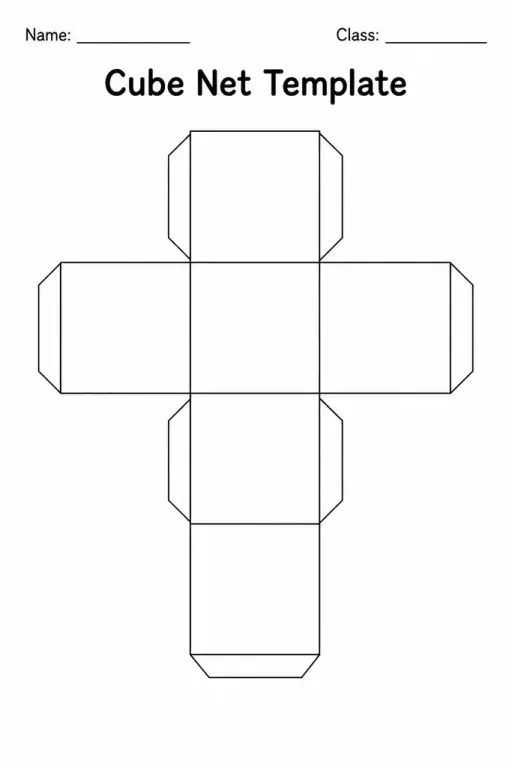
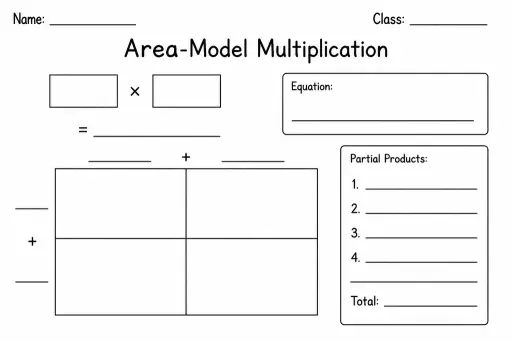
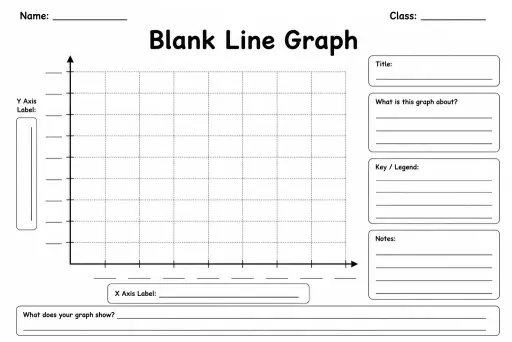
See what other teachers think and share a helpful note.
Generate a fresh worksheet for any grade, topic and language. Free.
 Home
Home All solutions
 Pricing
 About us
 KiwiBee for Non-profits
 Events & webinars
 For big organisations
 For schools
 For centers
 For team leaders
 For teachers
 AI and resources
 Resources
 Printable worksheets
 Lesson Packs
 Interactive simulations
 Teacher tools
 AI studio
 Ideas and research