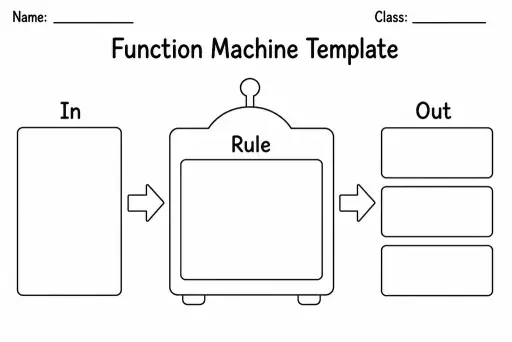
Function Machine Template
Math Templates
Ages 4–11
——
KiwiBee uses optional Google Analytics, Google Ads, and Meta Pixel cookies to understand adult visitors, measure completed sign-ups, and improve campaigns. Essential cookies always stay on. OpenAI’s ChatGPT Ads Pixel also measures page views and completed enquiries after advertising consent, and may use hashed contact details for matching. Privacy policy

The Hundreds Chart — Fill the Gaps template is a partly numbered 10 × 10 grid in which only some cells are pre-filled, leaving strategic blanks for students in grades 1–4 to complete. Because the missing numbers are spread across different positions rather than clustered at the end, students must reason from their neighbours—working out what comes before, after, above, and below—rather than simply continuing a sequence. This makes it a stronger number-sense challenge than a purely blank chart. Teachers customise the difficulty by choosing which version to print: a lightly gapped copy (about 70 % filled) suits early grade-1 practice, while a heavily gapped version (under 40 % filled) stretches grade-3 and grade-4 students. Print fresh copies for morning warm-ups, early finisher trays, or differentiated small-group work.
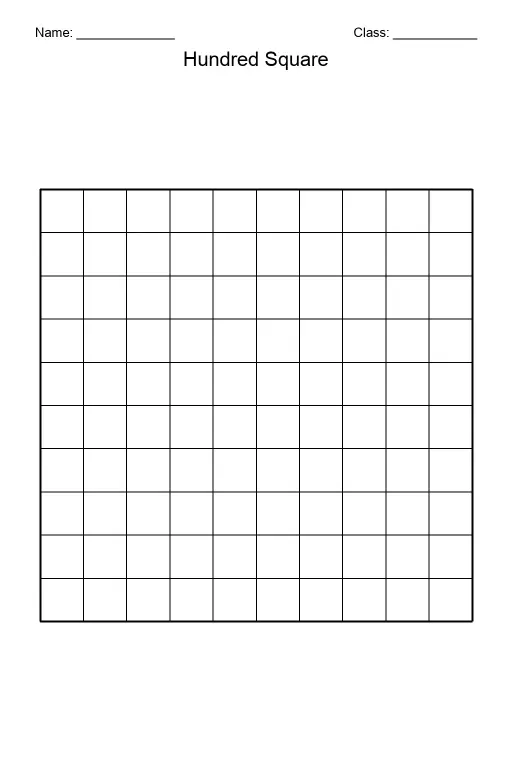
The blank hundred square has no numbers at all and focuses on sequential writing practice. The Fill the Gaps version provides anchor numbers so students must reason spatially rather than just count forward, making it a distinct critical-thinking task.
Start with roughly 60–70 % of numbers pre-filled, keeping gaps clustered around the 1–30 range where students are most fluent. Increase the gap density and spread gaps further into the 60–100 range as confidence grows.
Absolutely. Using a number line as a scaffold is appropriate for early-grade students. Gradually withdraw the support as fluency builds.
Because the template is blank and the teacher selects which numbers to pre-fill, the 'answer key' is simply a completed standard hundreds chart (1–100). Print one to keep at your station for quick checking.
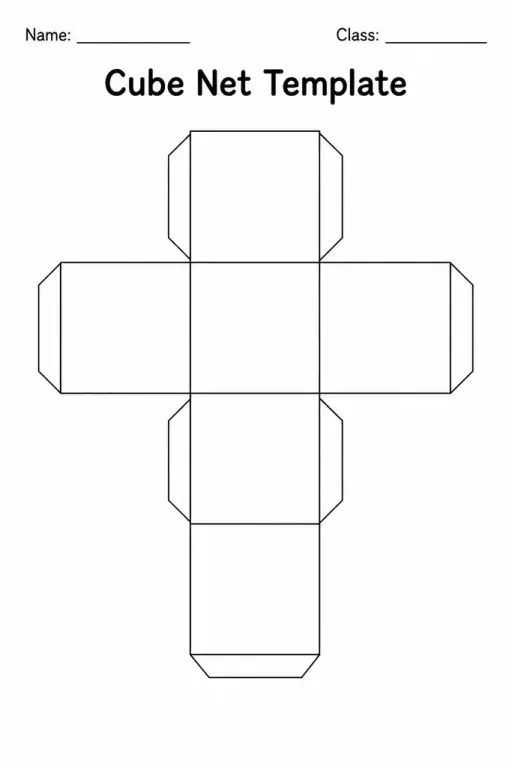
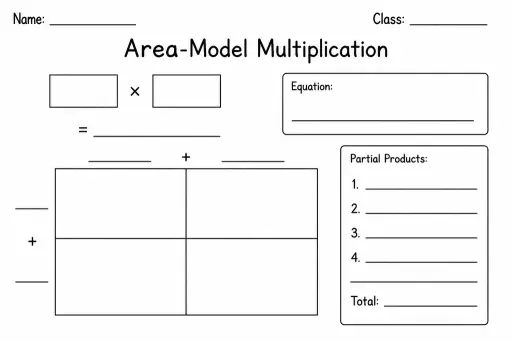
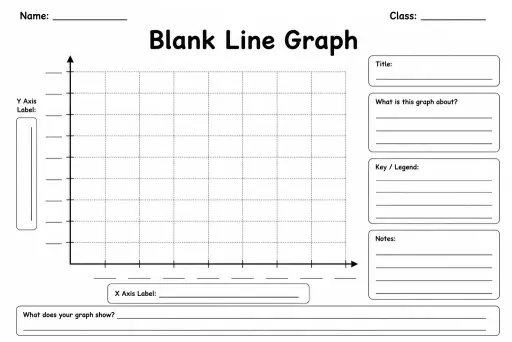
See what other teachers think and share a helpful note.
Generate a fresh worksheet for any grade, topic and language. Free.
 Home
Home All solutions
 Pricing
 About us
 KiwiBee for Non-profits
 Events & webinars
 For big organisations
 For schools
 For centers
 For team leaders
 For teachers
 AI and resources
 Resources
 Printable worksheets
 Lesson Packs
 Interactive simulations
 Teacher tools
 AI studio
 Ideas and research