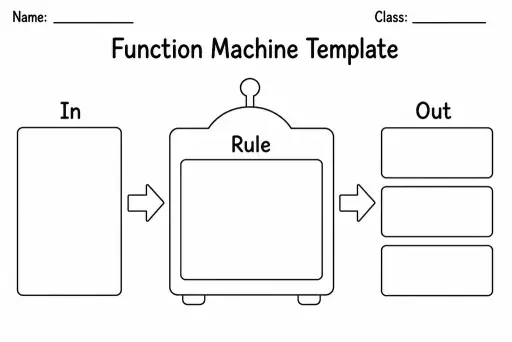
Function Machine Template
Math Templates
Ages 4–11
——
KiwiBee uses optional Google Analytics, Google Ads, and Meta Pixel cookies to understand adult visitors, measure completed sign-ups, and improve campaigns. Essential cookies always stay on. OpenAI’s ChatGPT Ads Pixel also measures page views and completed enquiries after advertising consent, and may use hashed contact details for matching. Privacy policy

Fraction strips (blank) is a reusable math manipulative template featuring rows of equal-length horizontal bars, each row left blank so students can divide, label, and color the pieces themselves. Grades 2–6 students use it during fraction introduction lessons to build a hands-on, visual understanding of how a whole splits into equal parts. Because the strips share the same total length, learners can line two rows side by side and immediately see that one-half equals two-quarters. Teachers hand out this template for guided notes, math stations, or cut-and-fold activities, while parents find it equally handy at the kitchen table when a child first encounters fractions in homework. The printable format means one file can serve a whole class of different ability levels—some students label halves and thirds while others tackle eighths and twelfths on the same sheet.
Most versions of this template include 8–12 rows. A common starting set for grades 2–3 is whole, halves, thirds, quarters, and sixths; for grades 4–6 add eighths, tenths, and twelfths.
If you laminate the sheet and provide dry-erase markers, students can fill in different denominators repeatedly. Without lamination it is single-use, but the file can be reprinted as needed at no cost.
That is actually a great teaching moment—have them measure with a ruler to check equality. Remind them that unequal parts do not represent a proper fraction.
Yes. It directly supports CCSS 2.G.A.3, 3.NF.A.1, 3.NF.A.3, and 4.NF.A.1, which require understanding fractions as parts of a whole and identifying equivalence.
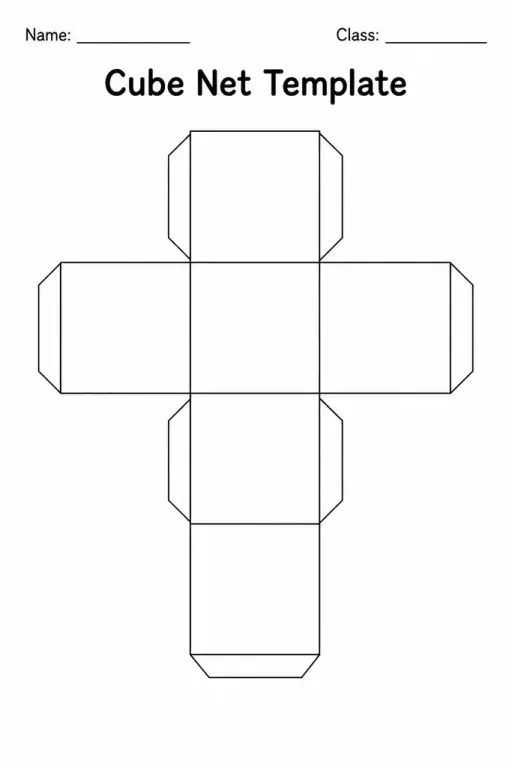
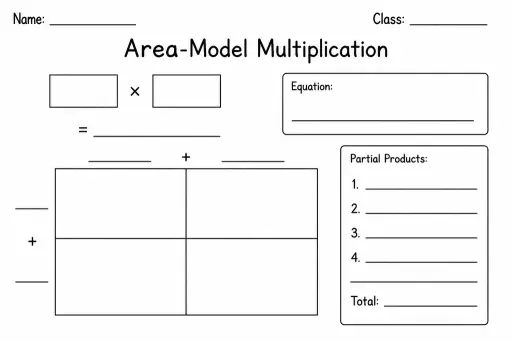
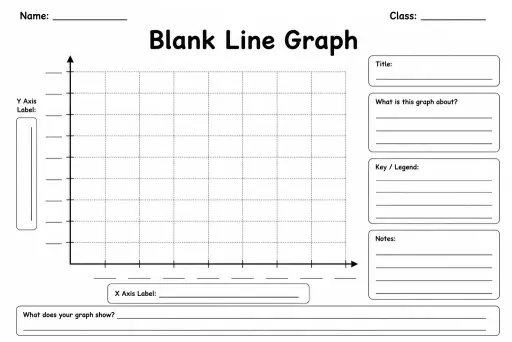
See what other teachers think and share a helpful note.
Generate a fresh worksheet for any grade, topic and language. Free.
 Home
Home All solutions
 Pricing
 About us
 KiwiBee for Non-profits
 Events & webinars
 For big organisations
 For schools
 For centers
 For team leaders
 For teachers
 AI and resources
 Resources
 Printable worksheets
 Lesson Packs
 Interactive simulations
 Teacher tools
 AI studio
 Ideas and research