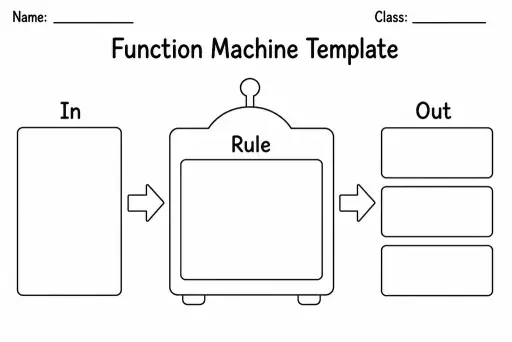
Function Machine Template
Math Templates
Ages 4–11
——
KiwiBee uses optional Google Analytics, Google Ads, and Meta Pixel cookies to understand adult visitors, measure completed sign-ups, and improve campaigns. Essential cookies always stay on. OpenAI’s ChatGPT Ads Pixel also measures page views and completed enquiries after advertising consent, and may use hashed contact details for matching. Privacy policy

The Double Ten Frame pairs two blank ten frames — stacked one above the other — giving students a structured workspace for numbers up to 20. This layout is essential for kindergarten and grades 1–2 because it physically shows the 'teen' numbers as "a full ten and some more," which is the conceptual leap that underpins all later two-digit arithmetic. Teachers use the double frame during addition-to-20 lessons, making-ten strategies, and the transition from concrete counting to symbolic notation. The top frame typically represents the first addend; the bottom frame catches the overflow when students bridge through 10. Students working independently on number bonds, fact families, or subtraction from 20 find the two-frame layout keeps their thinking neatly organized without requiring additional paper or grids.
Yes — filling the top frame to 10 before using the bottom frame is the key convention. It makes the 'ten and some more' structure of teen numbers immediately visible.
The two frames printed together share a common border, keeping the visual units tight and aligned. This makes comparing full-versus-partial rows much clearer and avoids students accidentally mixing up separate sheets.
It can informally introduce repeated addition (e.g., 4 groups of 5 distributed across both frames), though a dedicated array template is better for formal multiplication work in grades 2 and up.
Most PreK students work with single-digit numbers, so the single ten frame is the better starting point. The double frame is typically introduced in kindergarten once children are confident counting to 10.
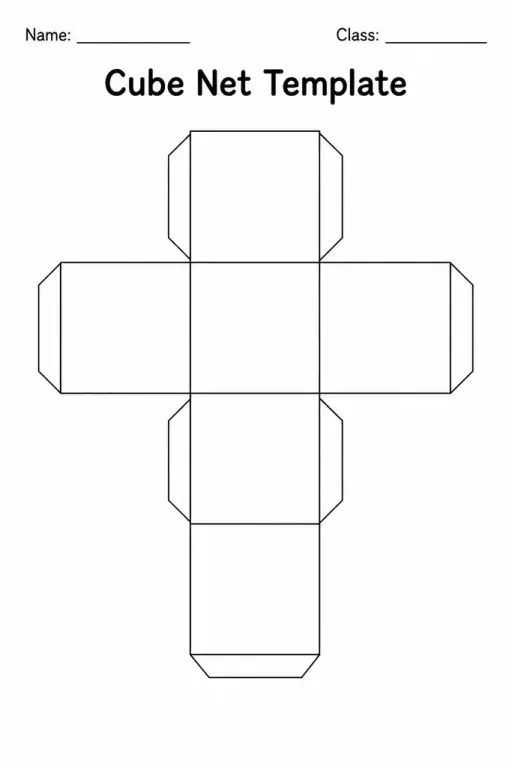
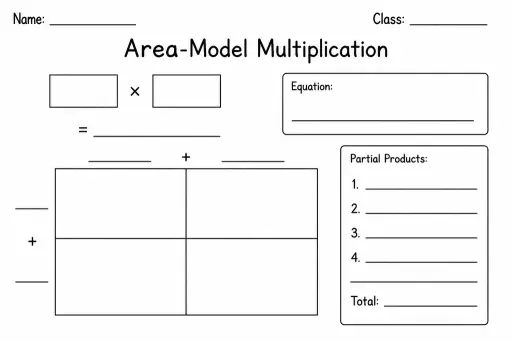
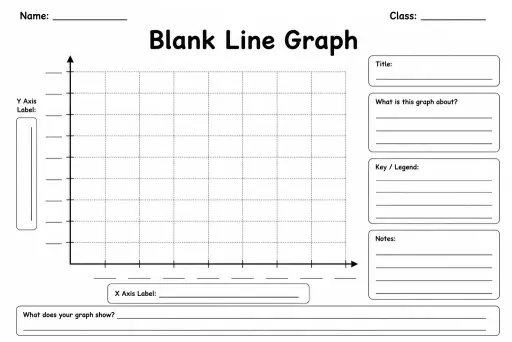
See what other teachers think and share a helpful note.
Generate a fresh worksheet for any grade, topic and language. Free.
 Home
Home All solutions
 Pricing
 About us
 KiwiBee for Non-profits
 Events & webinars
 For big organisations
 For schools
 For centers
 For team leaders
 For teachers
 AI and resources
 Resources
 Printable worksheets
 Lesson Packs
 Interactive simulations
 Teacher tools
 AI studio
 Ideas and research