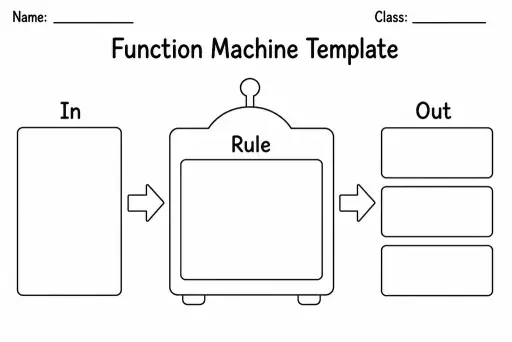
Function Machine Template
Math Templates
Ages 4–11
——
KiwiBee uses optional Google Analytics, Google Ads, and Meta Pixel cookies to understand adult visitors, measure completed sign-ups, and improve campaigns. Essential cookies always stay on. OpenAI’s ChatGPT Ads Pixel also measures page views and completed enquiries after advertising consent, and may use hashed contact details for matching. Privacy policy

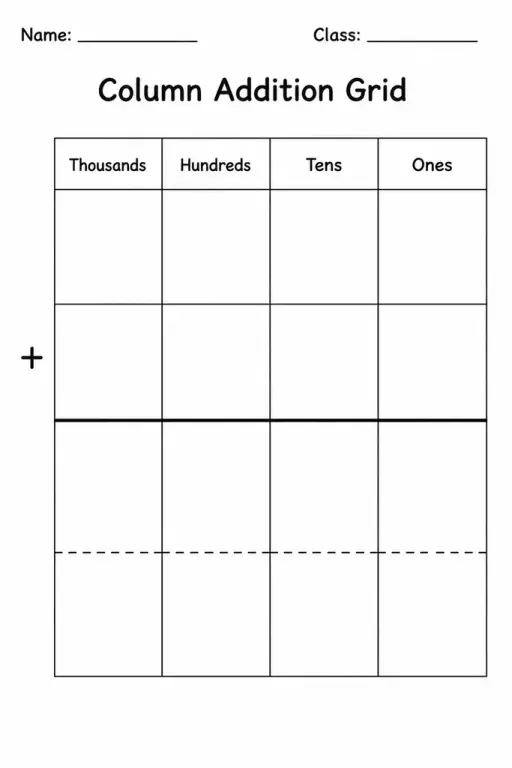
The Column Subtraction Grid is a blank, lined working frame that keeps digits perfectly aligned during multi-digit subtraction. Each column is headed by a place-value label — thousands, hundreds, tens, and ones — so students always know where to write borrowing marks and each borrowed digit. Teachers print it as a daily drills sheet, and parents use it for homework support when a child is learning regrouping for the first time. Because the grid does the organisational work, students can focus entirely on the subtraction process rather than ruling lines or accidentally slipping digits out of column. It works equally well for two-digit take-aways in Year 1 and for five-digit problems in Year 5, simply by using fewer or more columns.
The standard layout holds six problems per A4 page, giving enough space for clear borrowing annotations above each digit without crowding.
Yes — write a decimal point between the ones and tenths columns and label the extra columns accordingly. The grid structure works for any place-value system.
Absolutely. For early learners, use just the tens and ones columns with two-digit numbers, so the frame feels simple and non-overwhelming.
No — it is intentionally answer-free. Teachers supply their own numbers, keeping the same blank grid reusable across many lessons and year groups.
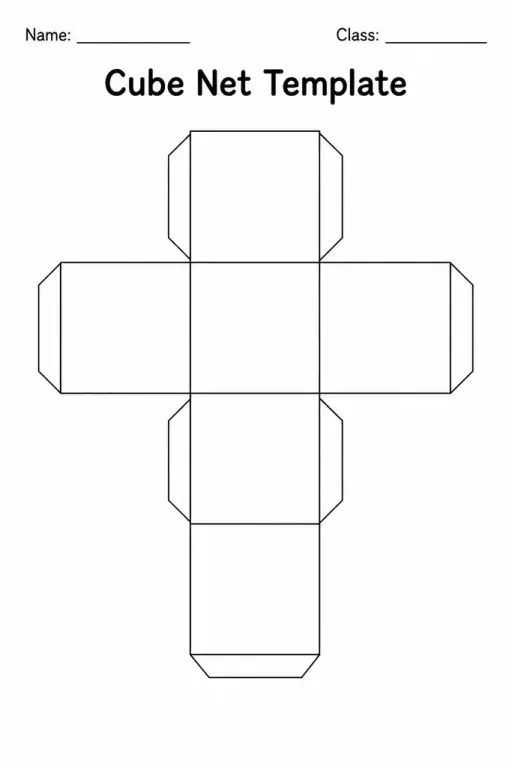
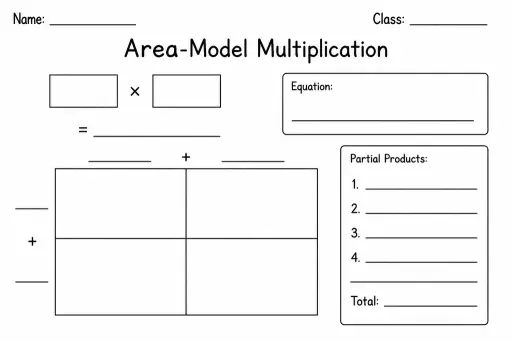
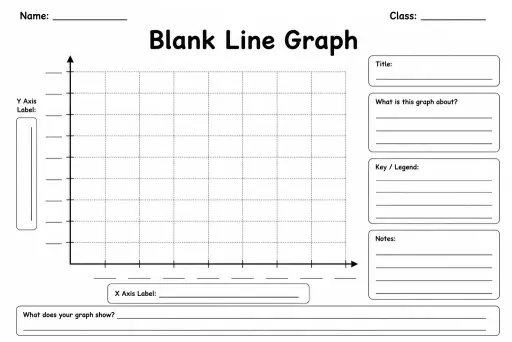
See what other teachers think and share a helpful note.
Generate a fresh worksheet for any grade, topic and language. Free.
 Home
Home All solutions
 Pricing
 About us
 KiwiBee for Non-profits
 Events & webinars
 For big organisations
 For schools
 For centers
 For team leaders
 For teachers
 AI and resources
 Resources
 Printable worksheets
 Lesson Packs
 Interactive simulations
 Teacher tools
 AI studio
 Ideas and research