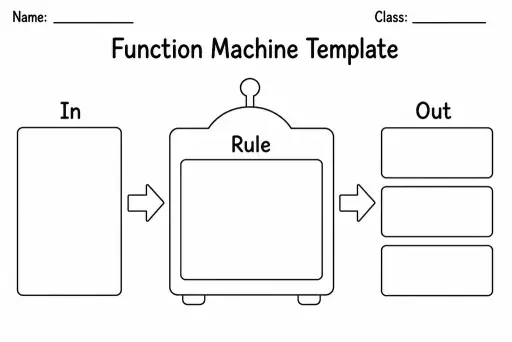
Function Machine Template
Math Templates
Ages 4–11
——
KiwiBee uses optional Google Analytics, Google Ads, and Meta Pixel cookies to understand adult visitors, measure completed sign-ups, and improve campaigns. Essential cookies always stay on. OpenAI’s ChatGPT Ads Pixel also measures page views and completed enquiries after advertising consent, and may use hashed contact details for matching. Privacy policy

A blank clock face template shows a circle with twelve hour numbers and minute tick marks already printed — but no hands. Students in kindergarten through grade 4 draw in the hour and minute hands themselves to show a given time, turning a passive reading task into an active, motor-skill-reinforced exercise. Teachers use the handout during whole-class lessons, independent work, and assessments; parents print it for homework practice at the kitchen table. The absence of hands is the whole point: students must think about angle, length, and proportion each time they draw. Short-hand accuracy improves rapidly with repetition, and the template doubles as a neat recording tool — write the target time below the clock circle and the completed sheet becomes a self-checking revision resource for learners preparing for standardised tests.
A ruler helps with straightness and reinforces the difference in hand length, so it is a good scaffold for beginners. More confident students can draw freehand.
Six blank clock faces fit comfortably on one A4 or Letter page, giving enough space for a mini-lesson set without wasting paper.
Yes. Draw a start time on one clock and an end time on the next, then guide students to count forward on a number line or count the spaces between the hands.
The blank face pairs well with a digital time written below it — students draw the matching hands, linking the two formats simultaneously.
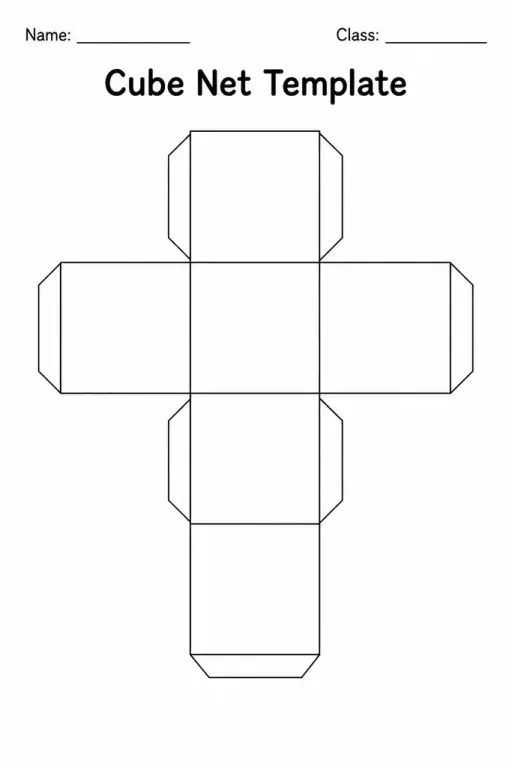
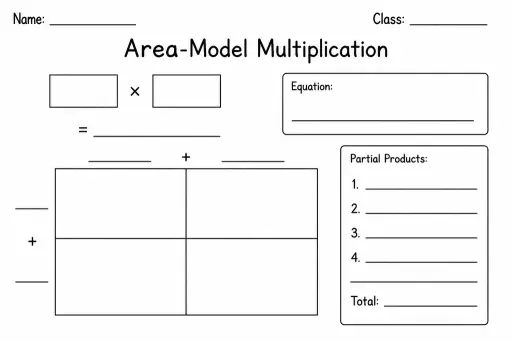
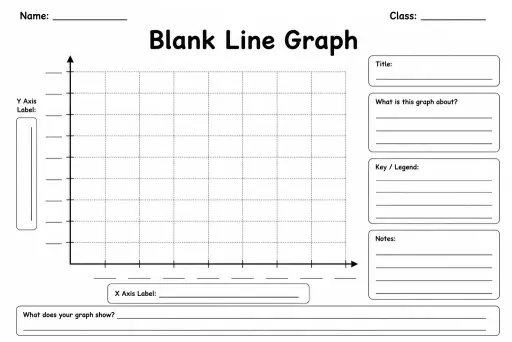
See what other teachers think and share a helpful note.
Generate a fresh worksheet for any grade, topic and language. Free.
 Home
Home All solutions
 Pricing
 About us
 KiwiBee for Non-profits
 Events & webinars
 For big organisations
 For schools
 For centers
 For team leaders
 For teachers
 AI and resources
 Resources
 Printable worksheets
 Lesson Packs
 Interactive simulations
 Teacher tools
 AI studio
 Ideas and research