Printable template
Bar Model Template
Singapore-style blank bar model.
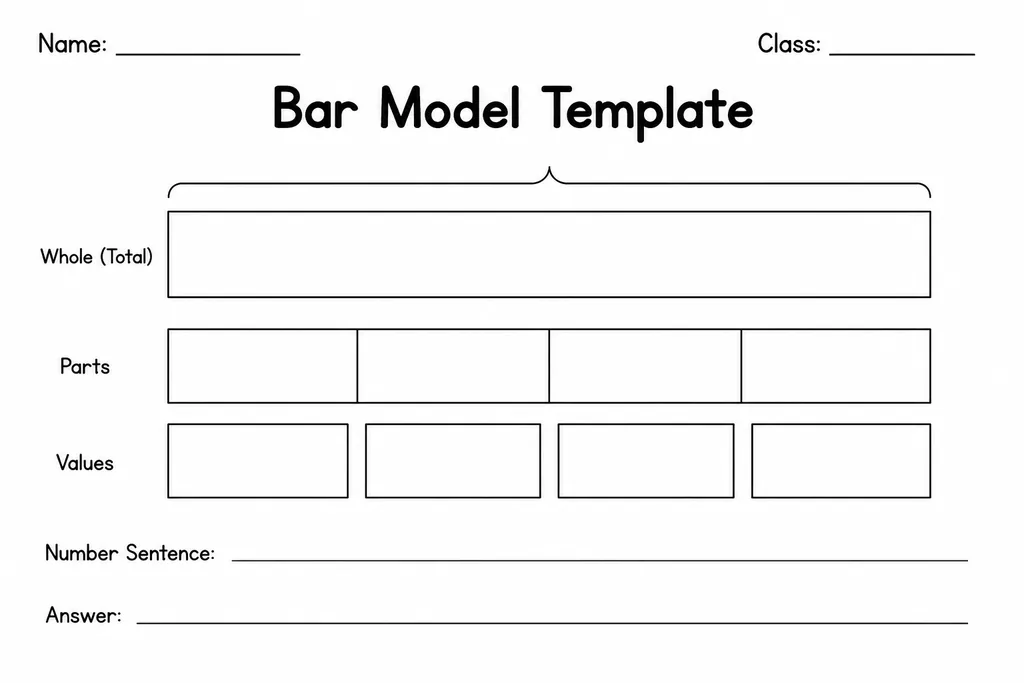
A bar model template is a blank Singapore-math-style diagram featuring empty rectangular bars that students use to represent quantities and their relationships before writing number sentences. Grades 1 through 6 rely on bar models to translate word problems into visual form — a long bar for the whole, shorter segments for the parts, or two bars stacked to compare two values. Teachers use the template to scaffold problem-solving, helping students slow down and think about structure before reaching for an algorithm. Because every bar is empty, the same printed sheet serves addition, subtraction, multiplication, division, fraction, ratio, and percentage problems. Students simply label the bars with numbers or unknowns to match the scenario at hand. The template works equally well on paper or inside a dry-erase pocket for repeated practice.
Learning objectives
- Translate word-problem language into visual diagrams
- Distinguish part-whole from comparison bar models
- Set up equations from diagrams before solving
- Support multi-step problem reasoning
- Build early algebraic thinking with unknown bars
- Apply one template across operations from addition to percentages
How to use this template
- Download and print the PDF on A4 or Letter paper.
- Read the word problem and decide whether it is part-whole or comparison.
- Label the full bar (whole) and shade or segment the known parts.
- Mark the unknown bar or segment with a question mark.
- Write the number sentence that matches the diagram and solve.
Classroom & home ideas
- Think-aloud modelling: display the blank template on a projector and draw segments live while reading a problem aloud.
- Cut-and-sort: give students paper strips to build the bar physically before drawing it on the template.
- Peer check: partners each draw their own bar model for the same problem and compare diagrams.
- Spiral review: use one column for addition problems and the adjacent column for the inverse operation.
- Home support: attach a completed example at the top of the homework sheet so parents can coach without confusion.
Skills practised
Frequently asked questions
What is the difference between a part-whole and a comparison bar model?
A part-whole model uses one long bar split into segments to show how parts make a whole. A comparison model uses two separate bars side by side to show the difference between two quantities.
Can this template be used for fractions and ratios?
Yes. Divide the bar into equal sections and shade a portion to represent fractions, or draw two bars in a fixed ratio to visualise ratio problems.
Is it suitable for grades 5 and 6?
Absolutely. Older students use bar models to set up equations with unknowns, tackle percentage problems, and reason about multi-step scenarios.
How many bar-model frames are on one sheet?
The template includes four frames — enough for a short problem set or one warm-up plus three practice problems.
Likes & comments
See what other teachers think and share a helpful note.
Create more worksheets in our Worksheet Studio
Generate fresh worksheets for any grade, topic, and language — free.
Open the Worksheet StudioRelated worksheets
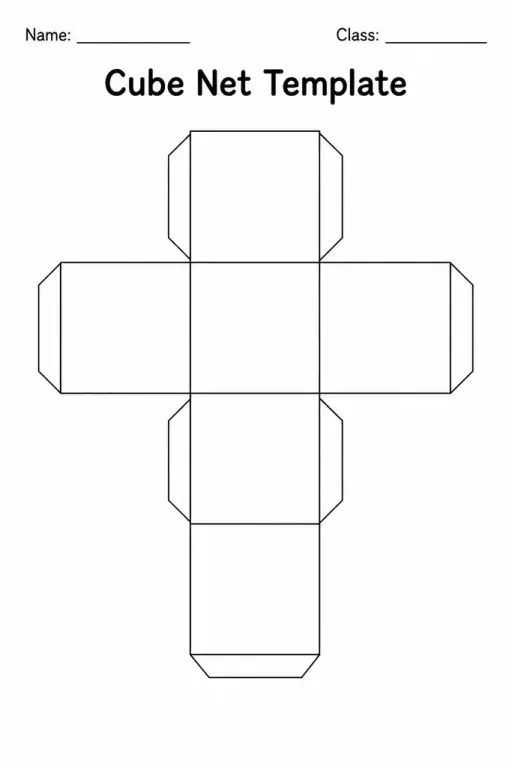
Cube Net Template
Triangular / Tessellation Grid
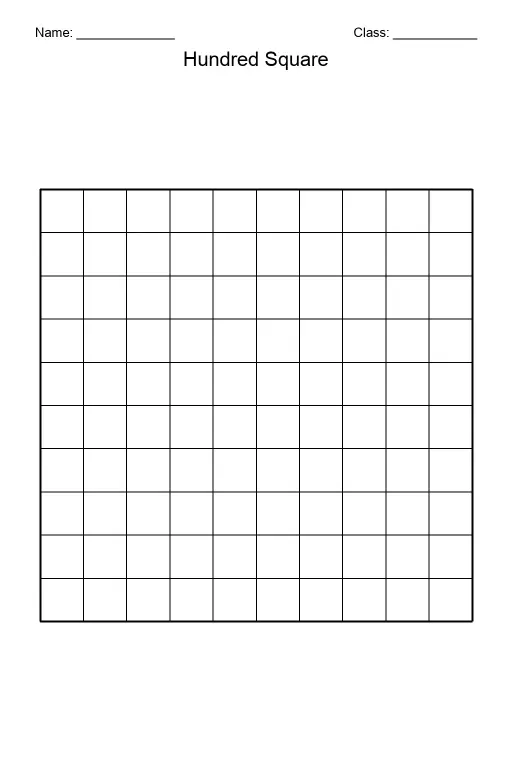
Hundred Square (Blank)
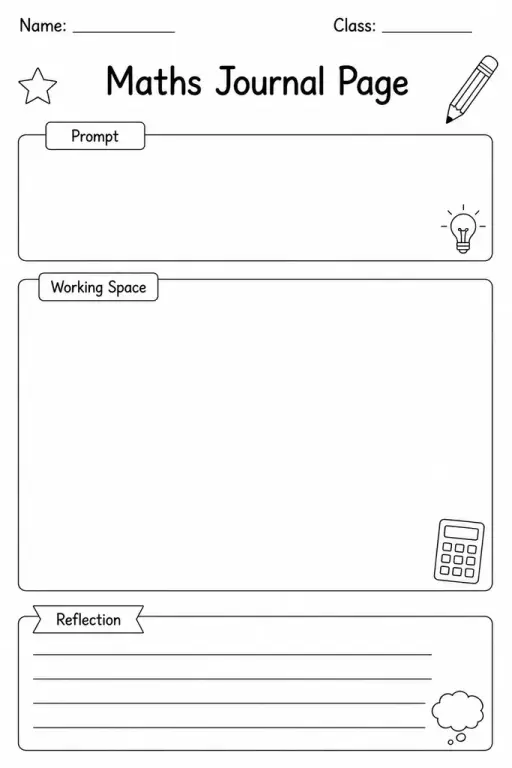
Maths Journal Page
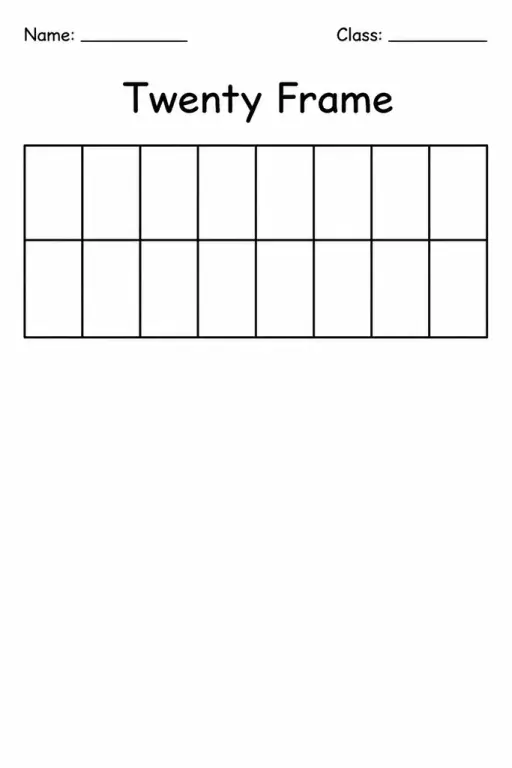
Twenty Frame
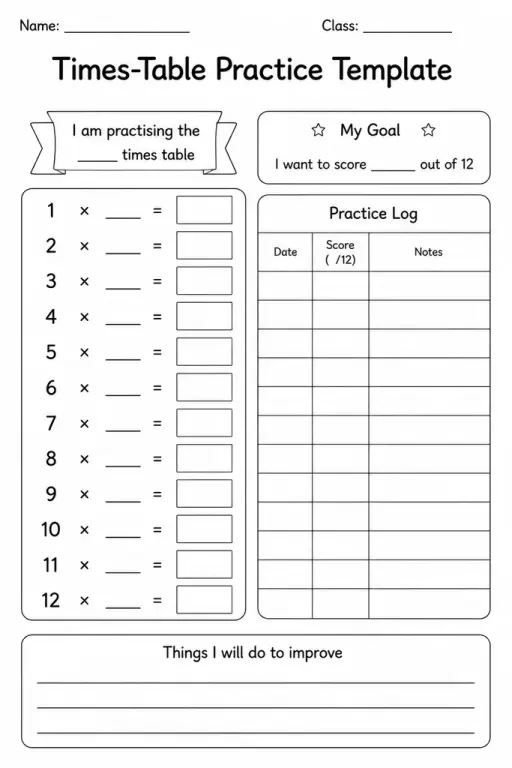
Times-Table Practice Template
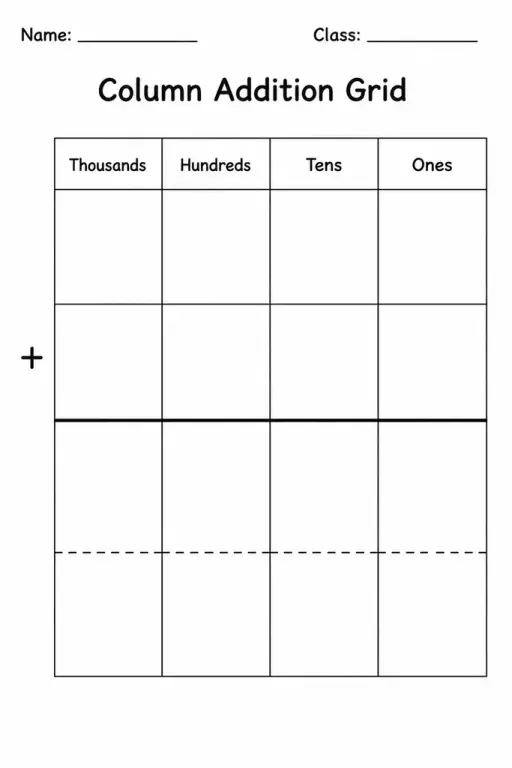
Column Addition Grid
 For big organisations
 For schools
 For centers
 For team leaders
 For teachers
 AI and resources
 Printable worksheets
 Interactive simulations
 Teacher tools
 AI studio
 Ideas and research