Printable template
3D Shape Nets Pack
Blank nets: cube, cuboid, pyramid, prism, cone, cylinder.
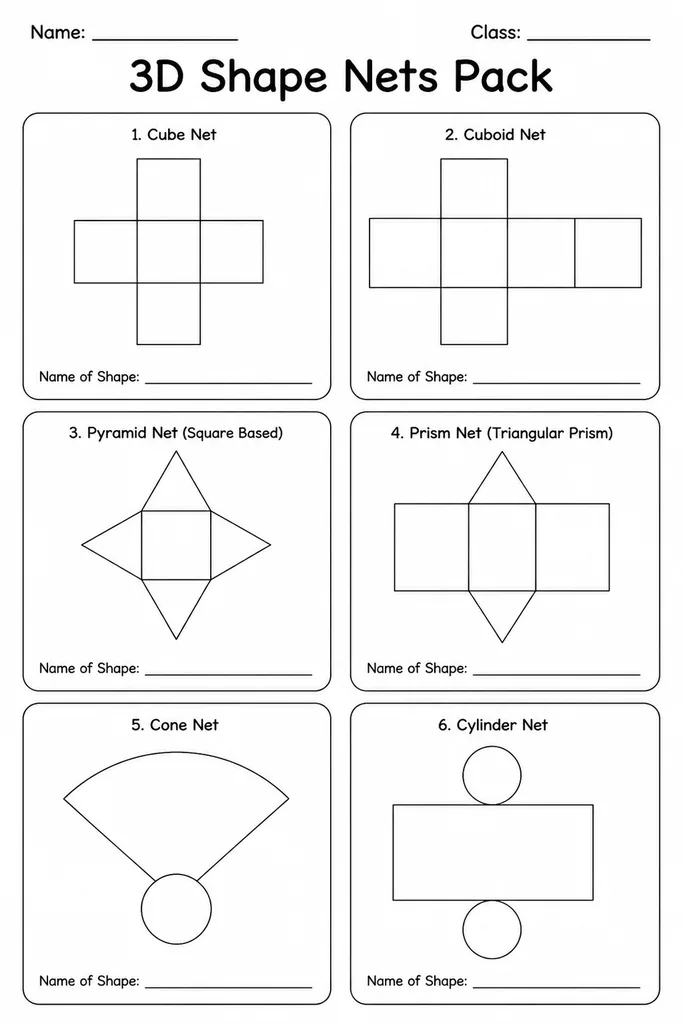
The 3D shape nets pack provides six separate blank net outlines—cube, cuboid (rectangular prism), square-based pyramid, triangular prism, cone, and cylinder—each printed with fold-line indicators and glue-tab guides so students in grades 3–8 can cut, fold, and assemble solid shapes by hand. Working with nets deepens spatial reasoning by making the relationship between a flat face and a 3D surface tangible and memorable. Teachers use the pack for geometry introductions, surface-area investigations, and hands-on assessment tasks. Students can label faces, calculate face areas, or simply build each shape to build vocabulary around vertices, edges, and faces through direct manipulation rather than diagrams alone.
Learning objectives
- Identify the flat faces that compose each 3D solid
- Cut, fold, and assemble nets into three-dimensional shapes
- Name and count vertices, edges, and faces of each solid
- Understand and calculate surface area using net measurements
- Develop spatial visualisation and reasoning skills
- Connect 2D geometry concepts to 3D solid properties
How to use this template
- Download and print the 3D shape nets pack; use card stock for sturdier models.
- Choose the net for the solid you are studying and carefully cut around the outer edges.
- Score lightly along every fold line with a ruler and a blunt tool to get crisp folds.
- Fold each face up and use the glue tabs to secure the shape into its 3D form.
- Label faces, measure edge lengths, and calculate surface area on the flat net before assembling.
Classroom & home ideas
- Run a nets construction station where pairs race to assemble all six shapes correctly.
- Have students measure each face of a printed net and calculate total surface area before building.
- Compare the cone and cylinder nets to explore the idea of curved surfaces flattened out.
- Use the cuboid net to design and decorate a gift box, connecting geometry to real-world packaging.
- Challenge older students to draw their own net variant for the cube—how many of the 11 possible arrangements can they find?
Skills practised
Frequently asked questions
Which paper weight is best for building these nets?
Standard 80 gsm printer paper works fine for grades 3–5 models. For grades 6–8 surface-area tasks where students write measurements on each face, 160–200 gsm card stock holds up much better.
Do all six nets come on one sheet or separate pages?
Each net is on its own page to give enough room for cutting and labelling. Print only the nets you need, or print the full pack for a complete solids unit.
How do I use these nets to teach surface area?
Before folding, students measure and record each face's dimensions on the flat net, calculate individual face areas, and add them together—the net makes the abstract formula visually concrete.
Is the cone net suitable for primary school students?
The cone's sector-shaped net can be tricky to roll and glue neatly. For grades 3–4, focus on the cube, cuboid, and pyramid nets first, introducing the cone and cylinder in grades 5–6 when fine motor skills are stronger.
Likes & comments
See what other teachers think and share a helpful note.
Create more worksheets in our Worksheet Studio
Generate fresh worksheets for any grade, topic, and language — free.
Open the Worksheet StudioRelated worksheets
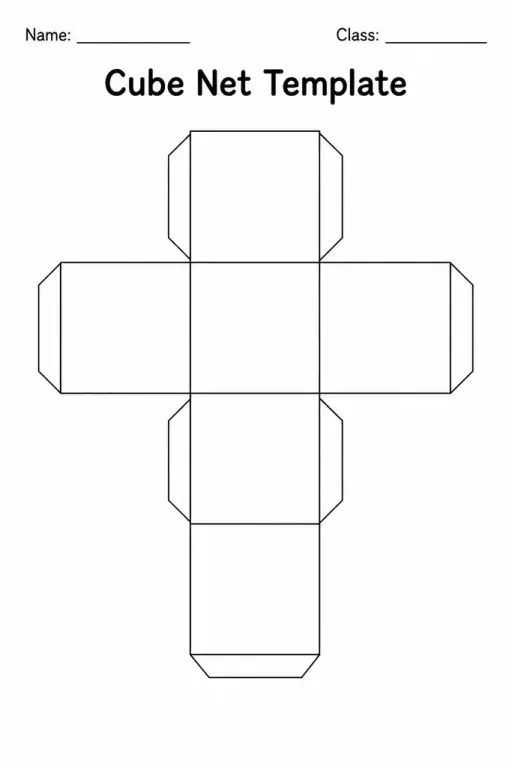
Cube Net Template
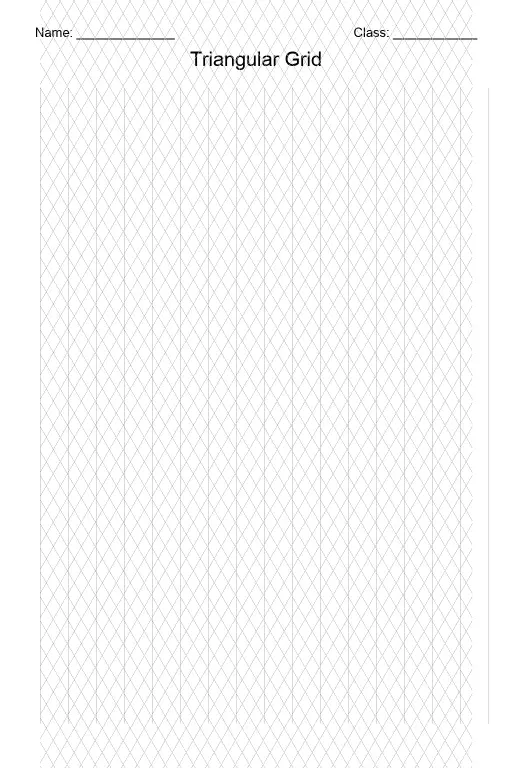
Triangular / Tessellation Grid
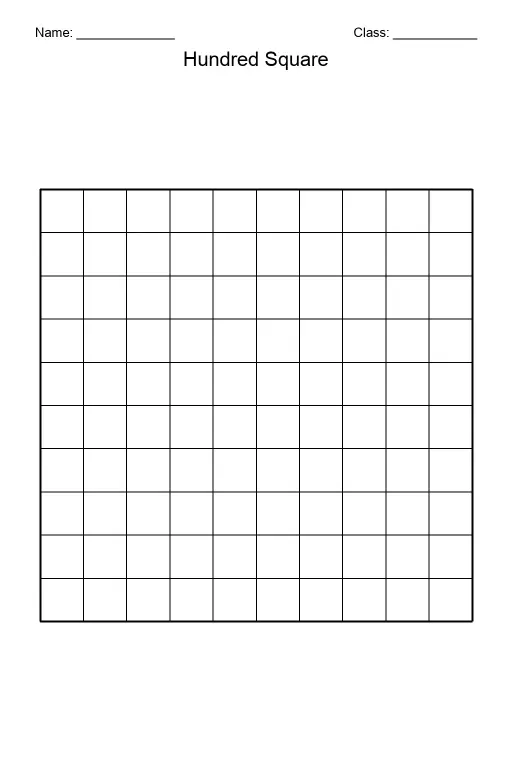
Hundred Square (Blank)
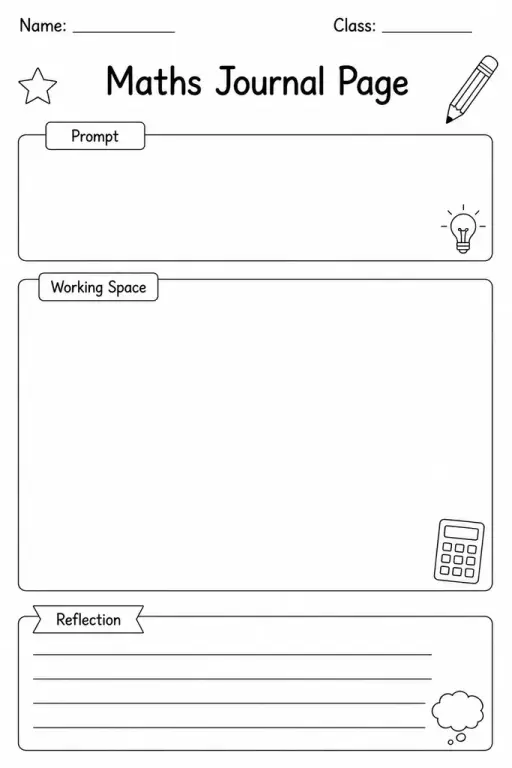
Maths Journal Page
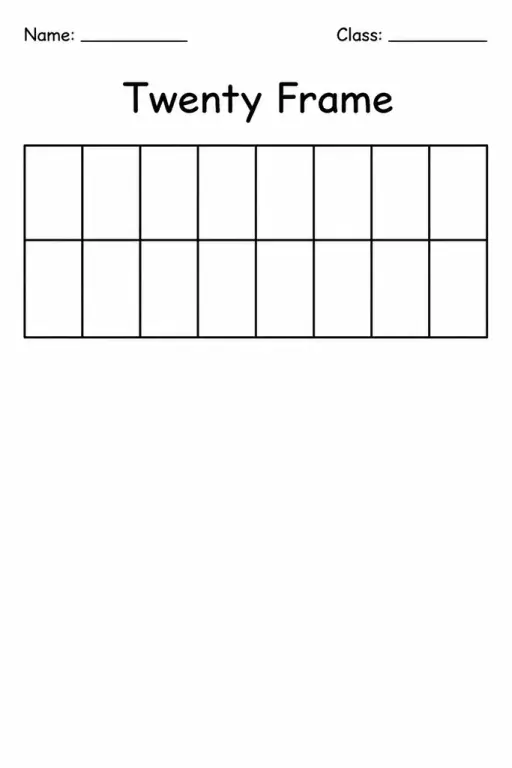
Twenty Frame
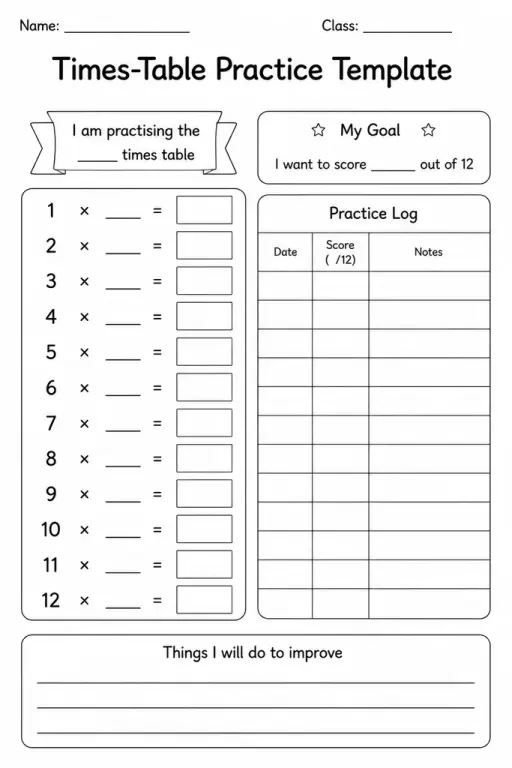
Times-Table Practice Template
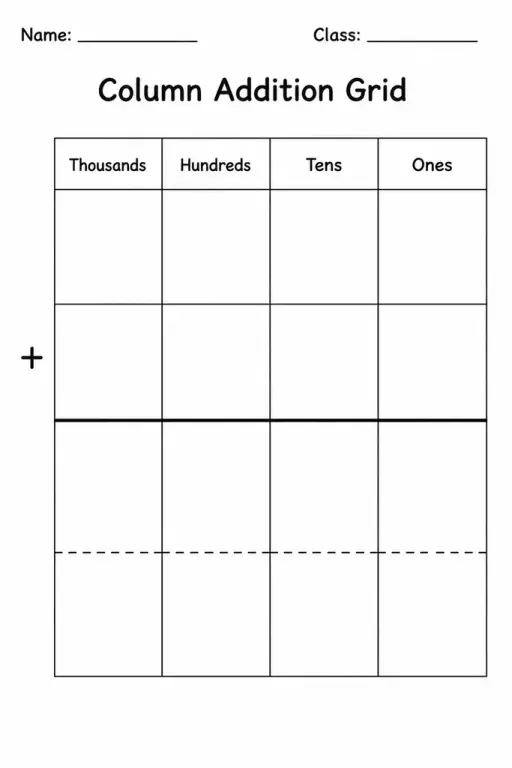
Column Addition Grid
 For big organisations
 For schools
 For centers
 For team leaders
 For teachers
 AI and resources
 Printable worksheets
 Interactive simulations
 Teacher tools
 AI studio
 Ideas and research