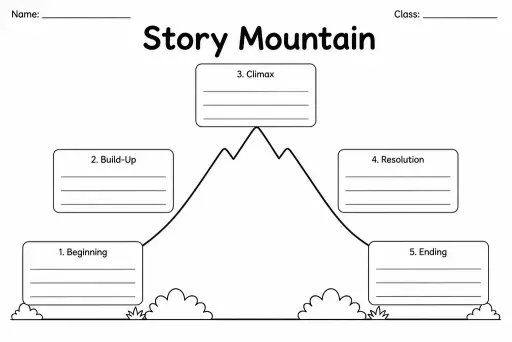
Story Mountain
Graphic Organizers
Ages 4–11
——
KiwiBee uses optional Google Analytics, Google Ads, and Meta Pixel cookies to understand adult visitors, measure completed sign-ups, and improve campaigns. Essential cookies always stay on. OpenAI’s ChatGPT Ads Pixel also measures page views and completed enquiries after advertising consent, and may use hashed contact details for matching. Privacy policy

The Tree Map (Classify) is a blank hierarchical organizer shaped like a branching tree. A single heading sits at the top, and below it a set of empty category branches spread outward, each with space for multiple examples underneath. Students use it to sort information into groups — vocabulary by word type, animals by habitat, literary devices by category — making the logical structure of classification visually obvious. Teachers deploy it across subjects: English teachers sort adjectives and nouns, science teachers classify organisms into kingdoms, social-studies teachers group landforms or government branches. Parents find it handy for organizing ideas before a research project or book report. Because every label is blank, the same printable works from Grade 2 through middle school without any modification.
The printable ships with four branches, which covers the majority of classroom classification tasks. You can cross out one branch for simpler sorts (two or three categories) or extend a branch sideways on a larger sheet.
A Tree Map organizes information by category and hierarchy (what belongs together), while a Flow Map organizes information by sequence (what comes first, next, and last). Use a Tree Map when the key question is 'What type?' and a Flow Map when the key question is 'What order?'
Yes. Second-graders can write single words or paste cut-out pictures under each branch, making the template accessible at early reading and writing levels.
Absolutely. Writers use it to group supporting ideas under each main paragraph topic before drafting, keeping evidence sorted and easy to retrieve.
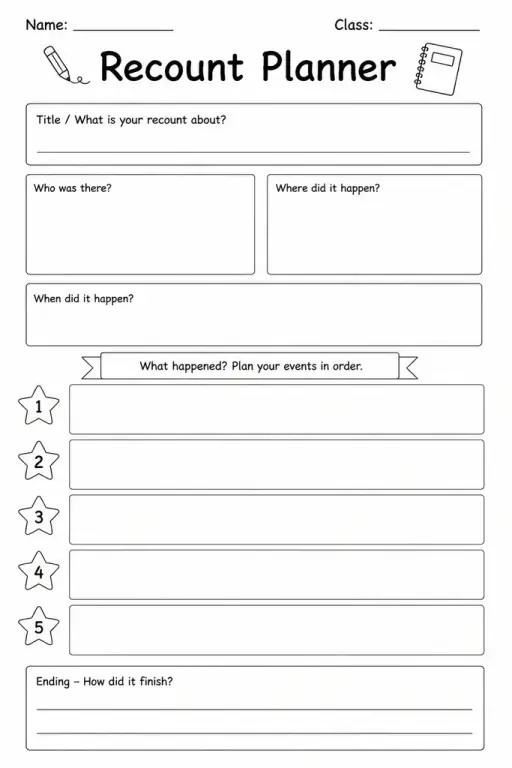
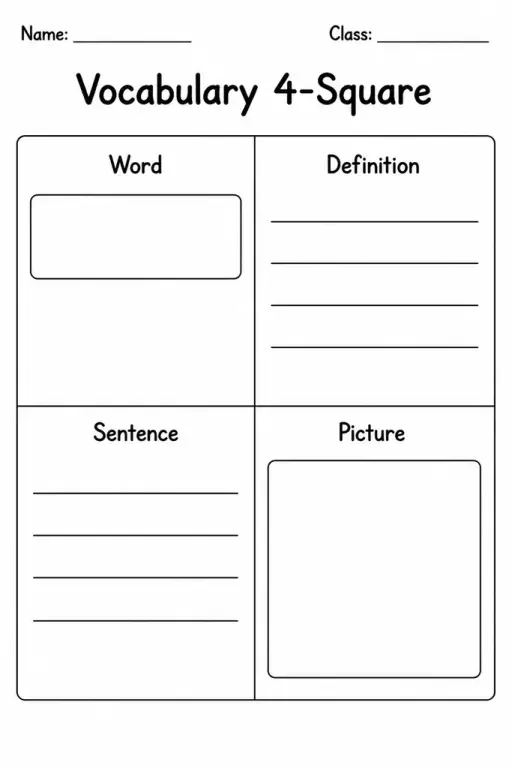
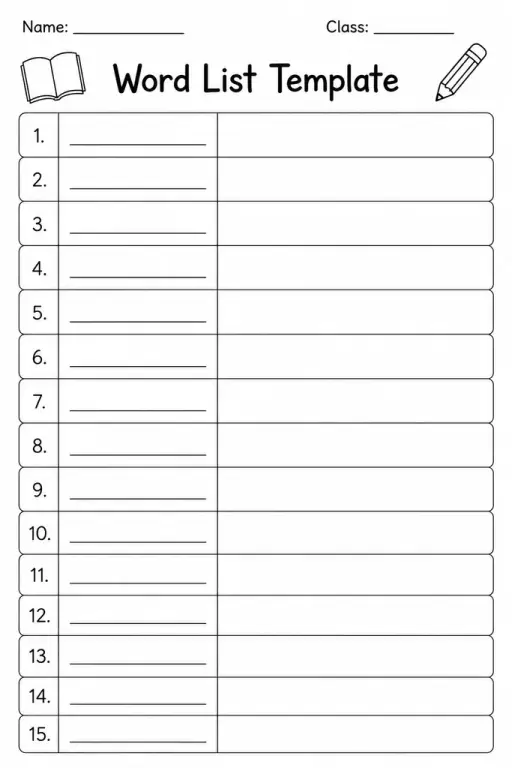
See what other teachers think and share a helpful note.
Generate a fresh worksheet for any grade, topic and language. Free.
 Home
Home All solutions
 Pricing
 About us
 KiwiBee for Non-profits
 Events & webinars
 For big organisations
 For schools
 For centers
 For team leaders
 For teachers
 AI and resources
 Resources
 Printable worksheets
 Lesson Packs
 Interactive simulations
 Teacher tools
 AI studio
 Ideas and research