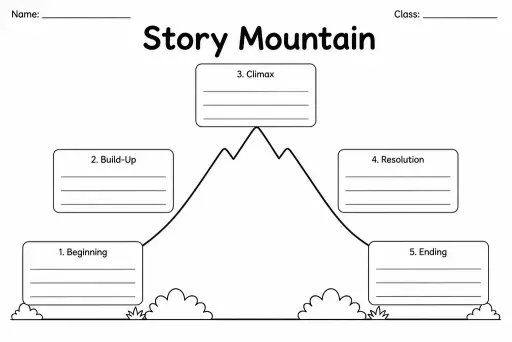
Story Mountain
Graphic Organizers
Ages 4–11
——
KiwiBee uses optional Google Analytics, Google Ads, and Meta Pixel cookies to understand adult visitors, measure completed sign-ups, and improve campaigns. Essential cookies always stay on. OpenAI’s ChatGPT Ads Pixel also measures page views and completed enquiries after advertising consent, and may use hashed contact details for matching. Privacy policy

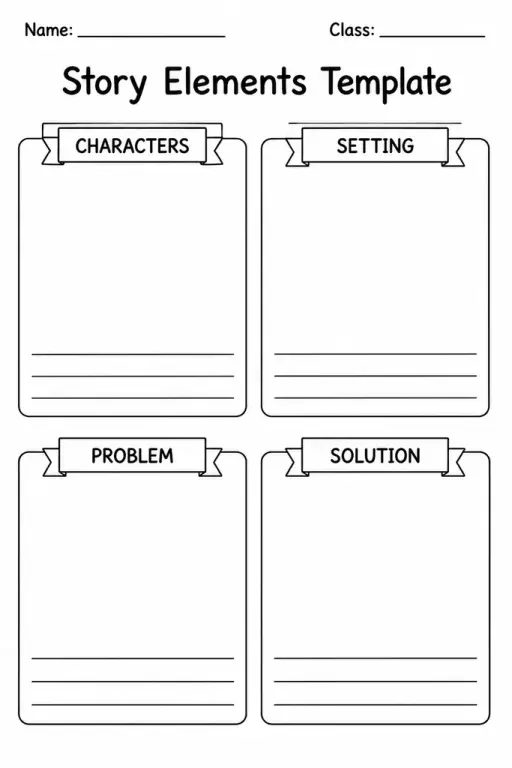
A story map is a simple graphic organizer that breaks any narrative into its essential building blocks: Characters, Setting, Problem, and Solution — sometimes with Events or Plot steps added in between. Each element gets its own labeled box, giving students in grades 1–5 a clear, low-pressure frame for reading comprehension and story planning alike. Teachers use it after reading aloud to check for understanding, during guided reading for note-taking, and before writing assignments as a pre-draft planner. Parents find it handy for book-report prep at home. Because the boxes are completely blank, the template fits a picture book as easily as a chapter novel — students scale the depth of their responses to the text they are working with.
It is best suited to fiction. For non-fiction, consider a different organizer. However, some teachers adapt it for narrative non-fiction (biographies, true-event accounts) by relabeling 'Problem' as 'Challenge' and 'Solution' as 'Outcome'.
Students can list the most important or central problem in the box and note 'see also' for secondary ones. For complex chapter books, teachers sometimes distribute one map per chapter.
Grade 1 is the lower bound for this version. For kindergarten, pair the map with drawing — students illustrate each box instead of writing, with the teacher scribing labels.
A story map focuses on story elements (who, where, what problem, what solution). A plot diagram focuses on the sequence of events — rising action, climax, falling action — making it better for analyzing narrative structure in grades 4 and up.
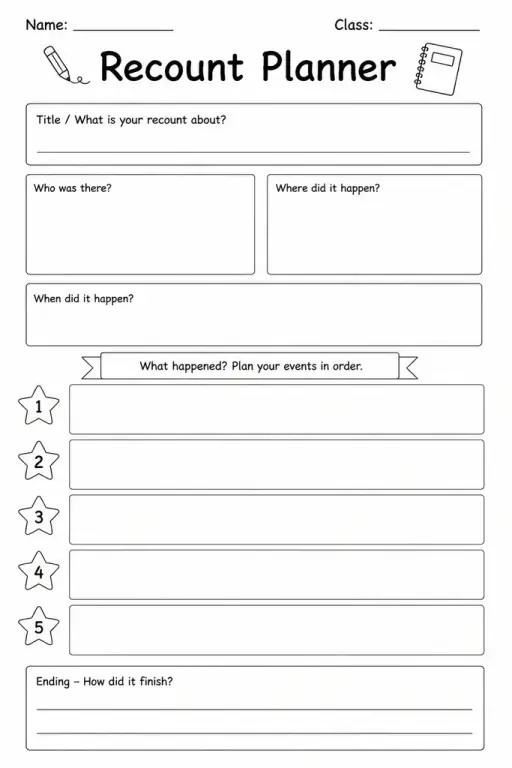
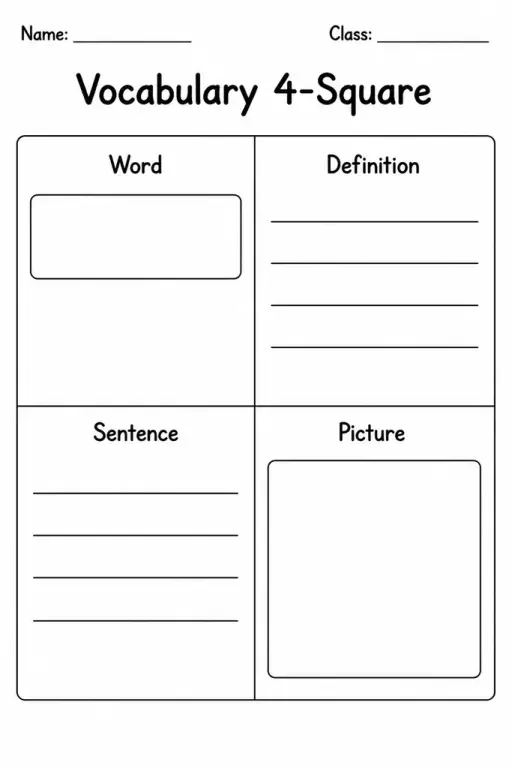
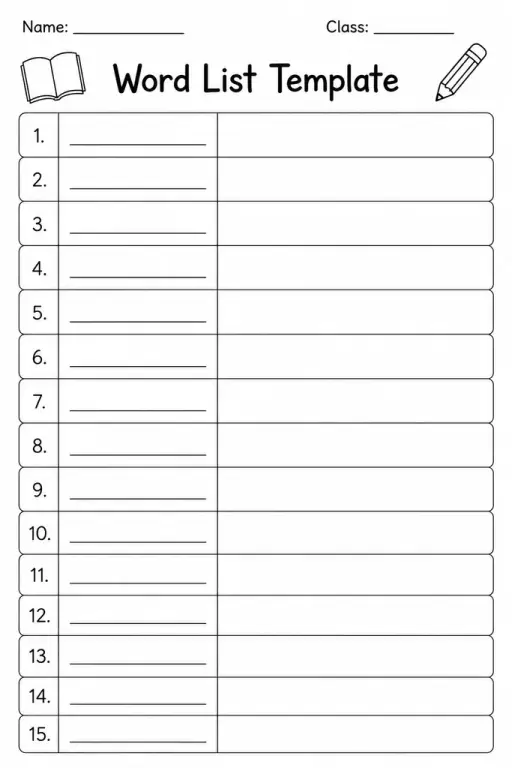
See what other teachers think and share a helpful note.
Generate a fresh worksheet for any grade, topic and language. Free.
 Home
Home All solutions
 Pricing
 About us
 KiwiBee for Non-profits
 Events & webinars
 For big organisations
 For schools
 For centers
 For team leaders
 For teachers
 AI and resources
 Resources
 Printable worksheets
 Lesson Packs
 Interactive simulations
 Teacher tools
 AI studio
 Ideas and research