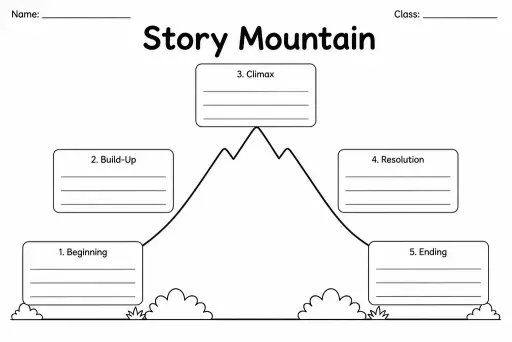
Story Mountain
Graphic Organizers
Ages 4–11
——
KiwiBee uses optional Google Analytics, Google Ads, and Meta Pixel cookies to understand adult visitors, measure completed sign-ups, and improve campaigns. Essential cookies always stay on. OpenAI’s ChatGPT Ads Pixel also measures page views and completed enquiries after advertising consent, and may use hashed contact details for matching. Privacy policy

The QAR Organiser is a blank graphic organizer built around the Question-Answer Relationship framework, which sorts comprehension questions into four categories: Right There, Think and Search, Author and Me, and On My Own. Each section provides a labeled zone where students record their question, the answer they found, and the source or reasoning they used. Developed as a reading strategy tool for Grades 4 through 8, this template teaches students to think metacognitively about where answers come from — whether directly in the text, inferred across multiple passages, combined with personal background knowledge, or drawn purely from the reader's own experience. Teachers in language arts, social studies, and science assign it during independent reading, guided reading groups, or Socratic seminars to make question-answer thinking visible and transferable.
QAR stands for Question-Answer Relationship. Students should have at least one introductory lesson on the four categories before using the organiser independently — the template works best as practice after direct instruction, not as an introduction.
Yes. While QAR originated in reading comprehension research, the four-tier framework transfers cleanly to history source analysis, science article reading, and maths word-problem interpretation. Any text-based task benefits from it.
Absolutely, though shorter texts may not generate strong Think-and-Search or Author-and-Me questions on their own. Pairing a short poem with a related non-fiction paragraph gives students enough material for all four tiers.
A KWL chart tracks what students know, want to know, and learned — it is a before/after knowledge organiser. The QAR Organiser focuses specifically on the type of thinking required to answer questions, building reading strategy awareness rather than content knowledge tracking.
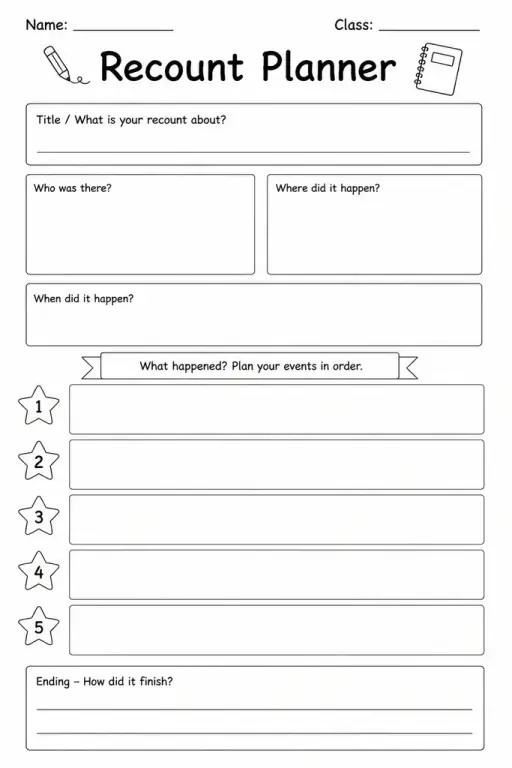
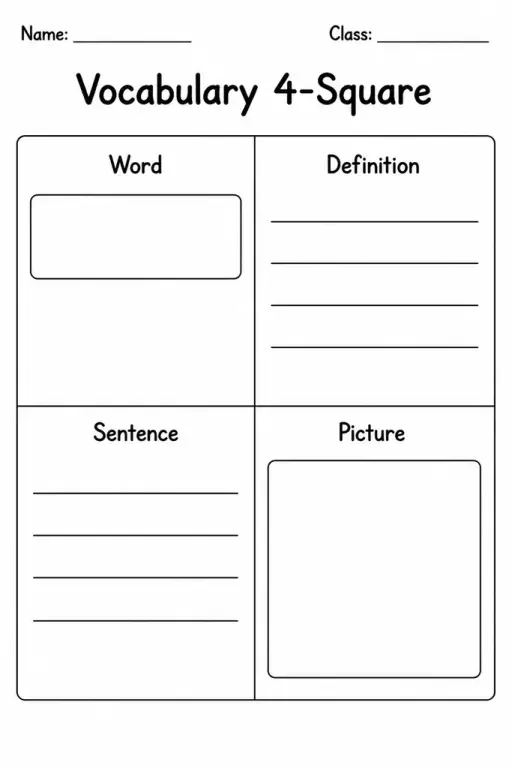
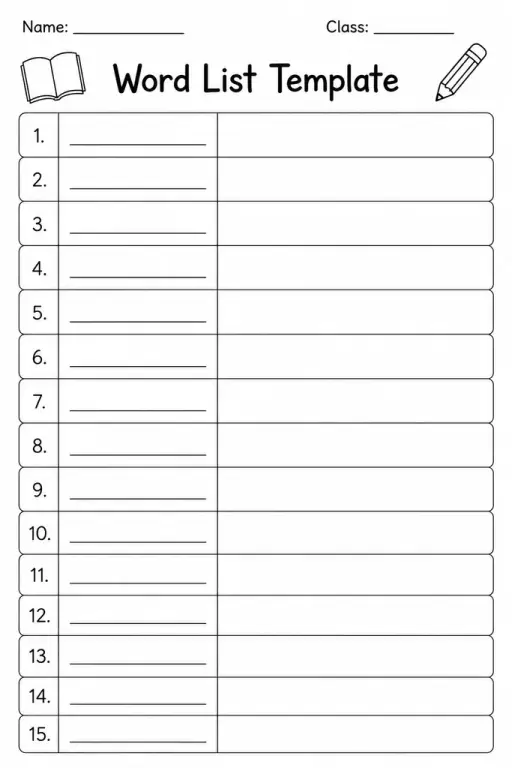
See what other teachers think and share a helpful note.
Generate a fresh worksheet for any grade, topic and language. Free.
 Home
Home All solutions
 Pricing
 About us
 KiwiBee for Non-profits
 Events & webinars
 For big organisations
 For schools
 For centers
 For team leaders
 For teachers
 AI and resources
 Resources
 Printable worksheets
 Lesson Packs
 Interactive simulations
 Teacher tools
 AI studio
 Ideas and research