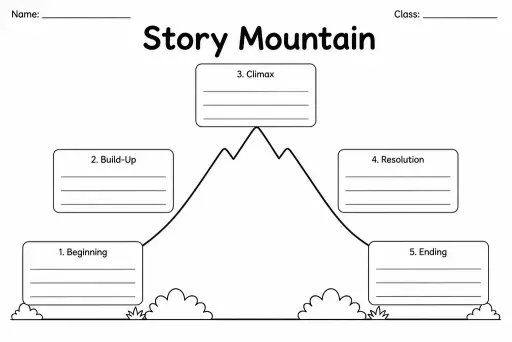
Story Mountain
Graphic Organizers
Ages 4–11
——
KiwiBee uses optional Google Analytics, Google Ads, and Meta Pixel cookies to understand adult visitors, measure completed sign-ups, and improve campaigns. Essential cookies always stay on. OpenAI’s ChatGPT Ads Pixel also measures page views and completed enquiries after advertising consent, and may use hashed contact details for matching. Privacy policy

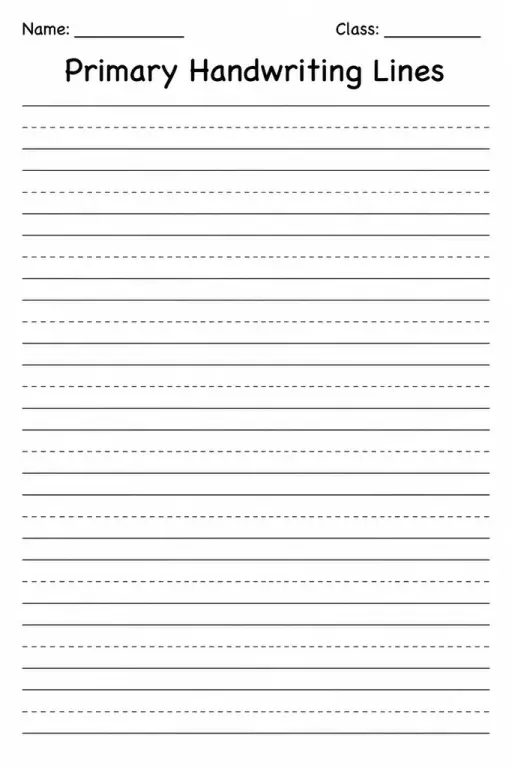
Handwriting lines with a picture box combine two essential early-literacy activities on one page: illustration and written expression. A large blank drawing box sits at the top of the sheet, and beneath it run several rows of primary solid-dashed-solid guidelines. PreK and Kindergarten students draw their idea first — a pet, a favourite food, a story scene — then use the lines below to label or describe what they drew. The picture-first approach lowers the barrier for reluctant writers because meaning is already on the page before a single letter is formed. Teachers use this layout for journal entries, creative-writing mini-books, show-and-tell recording sheets, and science observation logs. Parents find it perfect for at-home storytelling practice. Because the template is completely blank, it works across every subject and season without ever looking dated.
The picture box typically takes up the top third to half of the page, leaving three to five guideline rows below — enough space for one or two sentences, which is appropriate for PreK–Grade 2 writers.
Yes — the picture box is especially beneficial for ELL students because drawing lets them express ideas before they have the English vocabulary. Teachers can label the drawing together, reinforcing word-picture connections.
Absolutely. The blank layout makes it subject-neutral. Teachers use it for science observations, social studies 'My Community' drawings, math word-problem illustrations, and any activity that benefits from combining image and text.
Standard #2 pencils work well for both drawing and writing. Crayons and washable markers are fine for the picture box, but suggest pencil for the writing lines so students can erase and correct letter formation.
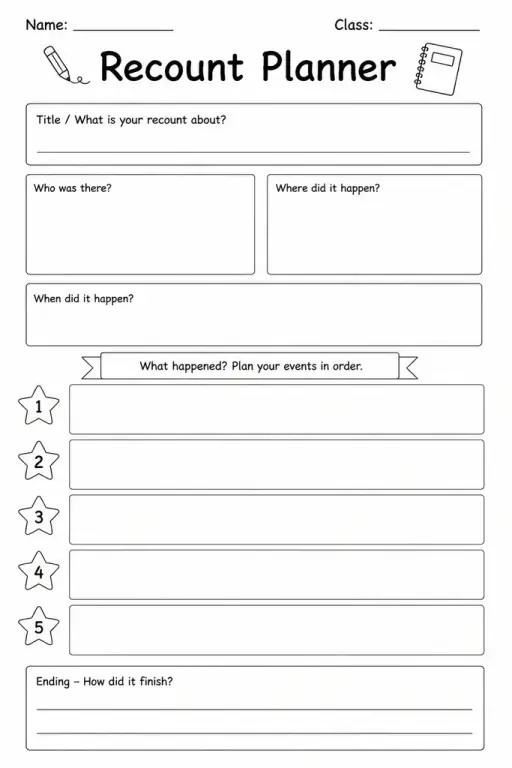
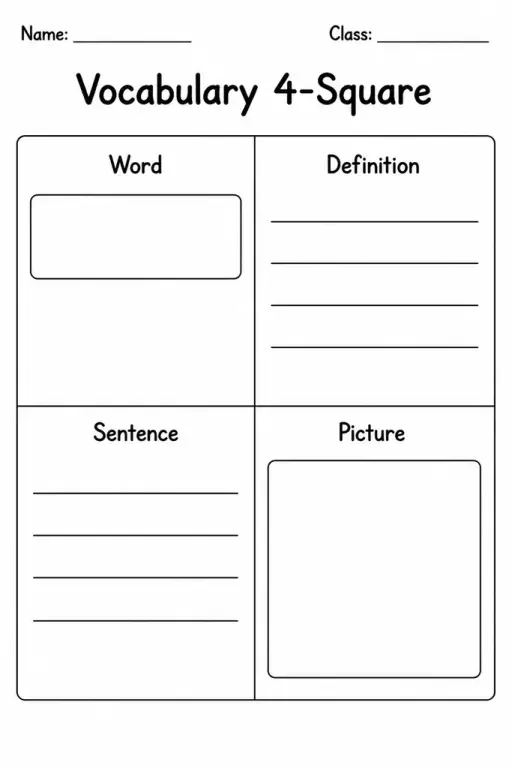
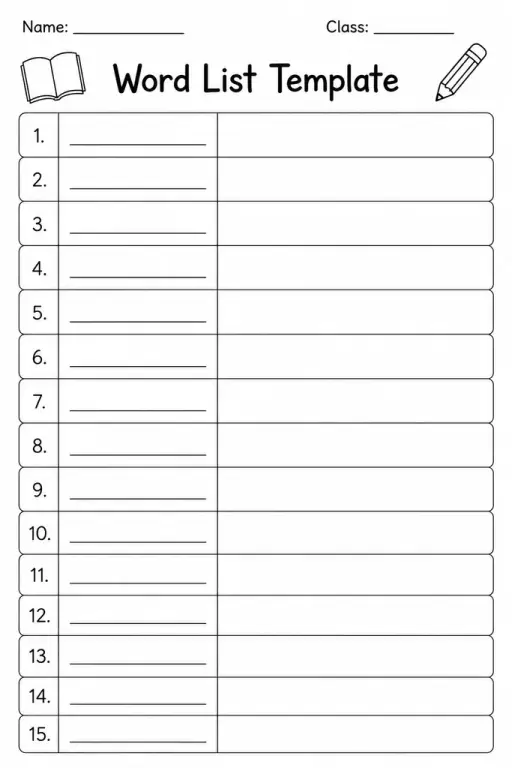
See what other teachers think and share a helpful note.
Generate a fresh worksheet for any grade, topic and language. Free.
 Home
Home All solutions
 Pricing
 About us
 KiwiBee for Non-profits
 Events & webinars
 For big organisations
 For schools
 For centers
 For team leaders
 For teachers
 AI and resources
 Resources
 Printable worksheets
 Lesson Packs
 Interactive simulations
 Teacher tools
 AI studio
 Ideas and research