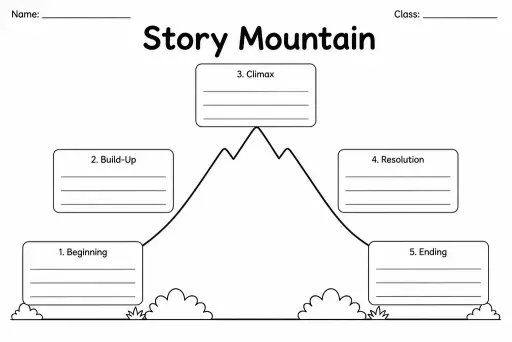
Story Mountain
Graphic Organizers
Ages 4–11
——
KiwiBee uses optional Google Analytics, Google Ads, and Meta Pixel cookies to understand adult visitors, measure completed sign-ups, and improve campaigns. Essential cookies always stay on. OpenAI’s ChatGPT Ads Pixel also measures page views and completed enquiries after advertising consent, and may use hashed contact details for matching. Privacy policy

This blank envelope addressing template shows an accurate, full-size envelope outline with clearly marked zones for the return address (top-left), recipient address (centre), and stamp area (top-right). Students in grades 1–5 use it to practise the real-world skill of addressing mail before they handle actual envelopes — learning where each element belongs, what information to include, and how to format multi-line addresses neatly. Teachers pair it with letter-writing units so the full process — compose, fold, address, mail — is covered. The printed stamp box even includes sizing guidance so students understand postage placement. Parents can use it at home to teach postal conventions in a hands-on way. Print one for each letter a student writes, or laminate a copy for repeated dry-erase practice.
It is designed to print at standard #10 business-envelope proportions on A4/letter paper, giving students a realistic sense of scale before handling real envelopes.
Full name, house number and street, city, state or country, and postcode/ZIP code — the same fields found on any real envelope.
Absolutely. Using story-character addresses or made-up towns keeps the focus on format without requiring students to share real personal information.
Most curricula introduce it in grades 1–2 alongside basic letter writing and revisit it through grade 5 as part of formal and informal writing units.
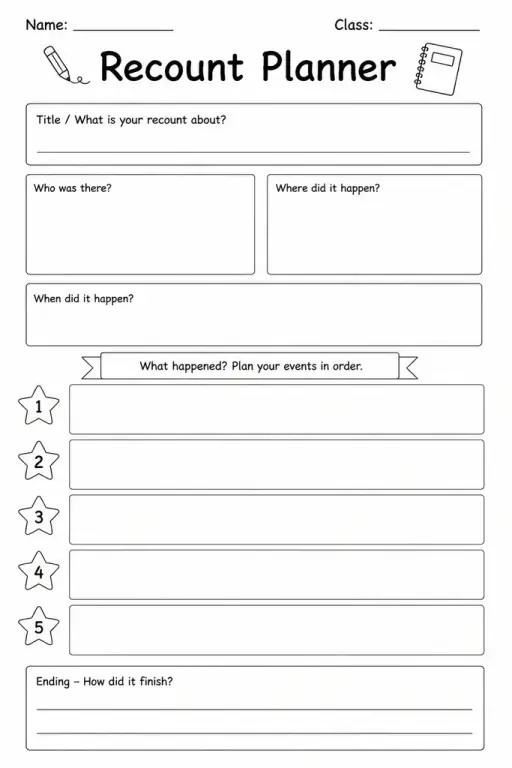
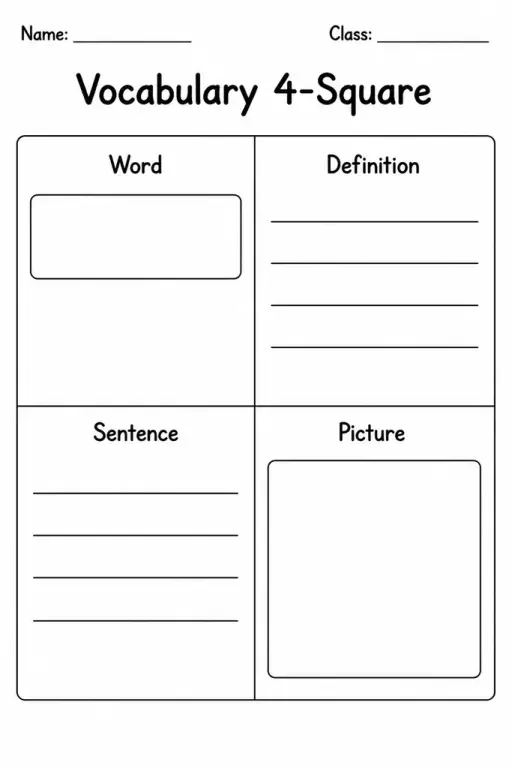
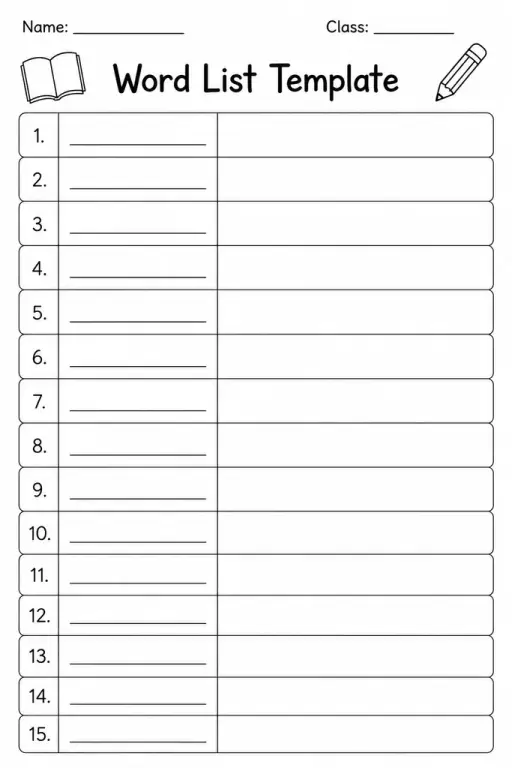
See what other teachers think and share a helpful note.
Generate a fresh worksheet for any grade, topic and language. Free.
 Home
Home All solutions
 Pricing
 About us
 KiwiBee for Non-profits
 Events & webinars
 For big organisations
 For schools
 For centers
 For team leaders
 For teachers
 AI and resources
 Resources
 Printable worksheets
 Lesson Packs
 Interactive simulations
 Teacher tools
 AI studio
 Ideas and research