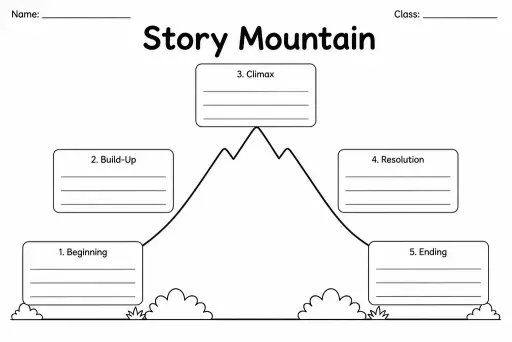
Story Mountain
Graphic Organizers
Ages 4–11
——
KiwiBee uses optional Google Analytics, Google Ads, and Meta Pixel cookies to understand adult visitors, measure completed sign-ups, and improve campaigns. Essential cookies always stay on. OpenAI’s ChatGPT Ads Pixel also measures page views and completed enquiries after advertising consent, and may use hashed contact details for matching. Privacy policy

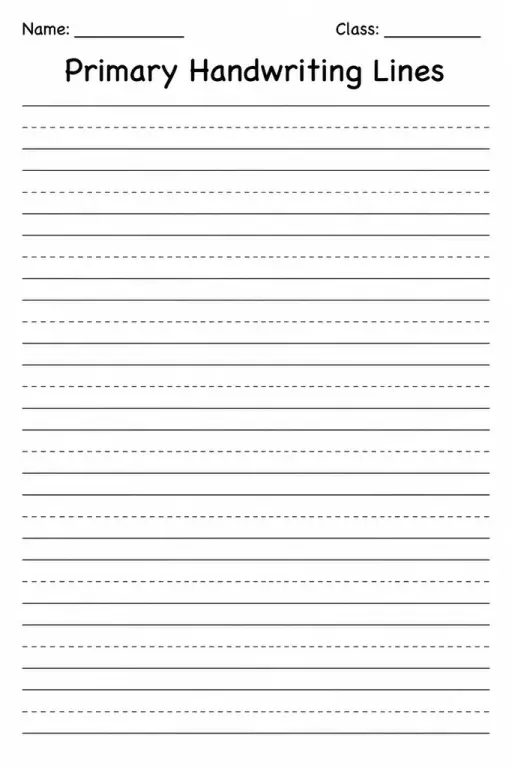
Dotted-thirds handwriting paper is the standard writing paper used in Australian and UK early-childhood classrooms, though it is increasingly popular worldwide. Instead of a single dashed midline, the page is divided into thirds: a dotted line marks the top third and another marks the bottom third, with a solid baseline. Some versions add a solid headline at the top of each row. This three-dotted-section system teaches students to place short letters in the middle third, tall letters in the upper two-thirds, and descenders in the lower third — a more nuanced spatial framework than a single midline. Kindergarten through Grade 3 students, teachers following the NSW Foundation Script, Victorian Modern Cursive, or UK National Curriculum handwriting expectations, and homeschooling parents aligned to those curricula will find this the most accurate blank paper for their needs.
Standard US primary lines use one dashed midline between two solid lines, dividing the row in half. Dotted-thirds paper uses two dotted lines to divide the row into three equal sections — a finer spatial guide for letter proportions, and the standard in Australian and UK schools.
NSW Foundation Script, Victorian Modern Cursive (VIC), Queensland Beginners (QLD), WA Manuscript, and South Australian Beginners all use dotted-thirds or a close variant. Check your state curriculum for the exact line spacing ratio.
Yes — there is no rule against it, and some US handwriting researchers advocate for three-zone paper because it gives students a more precise spatial target. It works equally well with any letterform style.
Not exactly. Montessori programmes use a variety of line widths and often an additional baseline rule. Dotted-thirds specifically refers to the two-dotted-line format aligned to Australian and UK national curricula, though both serve a similar spatial-guidance purpose.
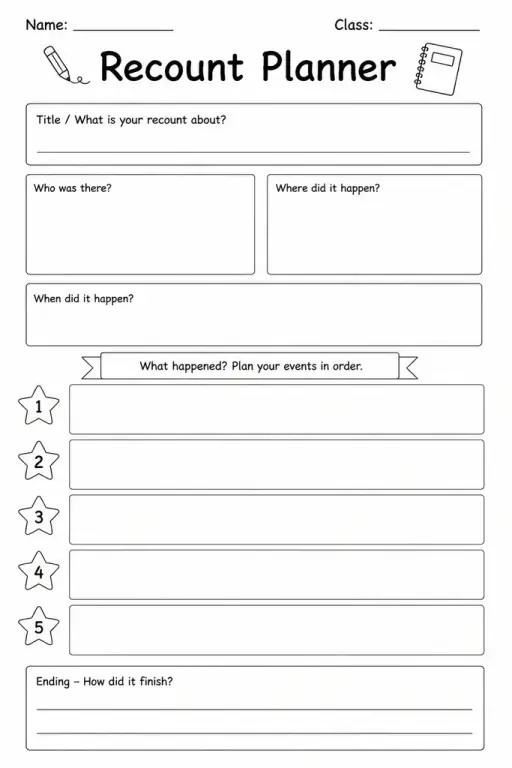
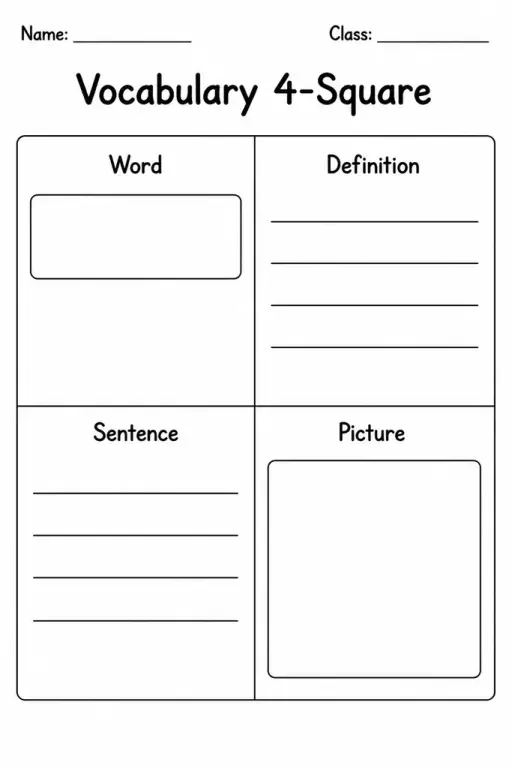
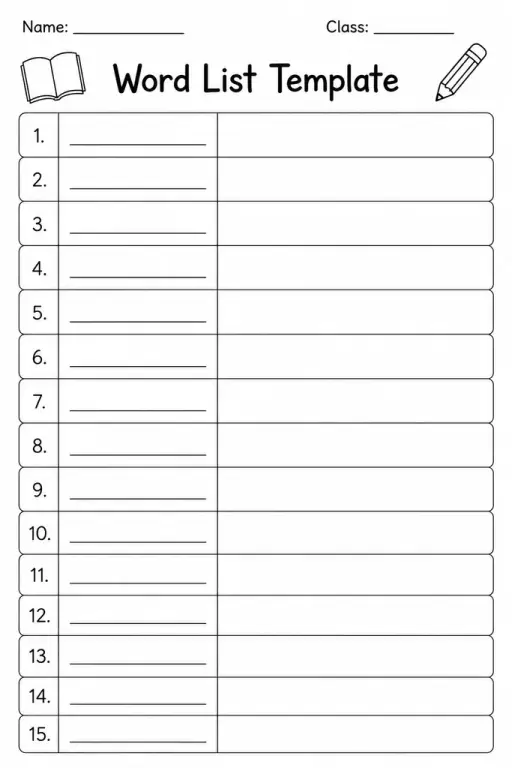
See what other teachers think and share a helpful note.
Generate a fresh worksheet for any grade, topic and language. Free.
 Home
Home All solutions
 Pricing
 About us
 KiwiBee for Non-profits
 Events & webinars
 For big organisations
 For schools
 For centers
 For team leaders
 For teachers
 AI and resources
 Resources
 Printable worksheets
 Lesson Packs
 Interactive simulations
 Teacher tools
 AI studio
 Ideas and research