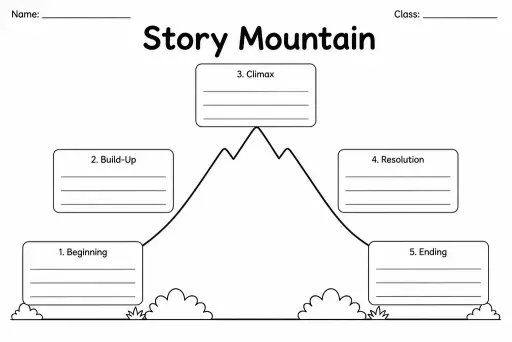
Story Mountain
Graphic Organizers
Ages 4–11
——
KiwiBee uses optional Google Analytics, Google Ads, and Meta Pixel cookies to understand adult visitors, measure completed sign-ups, and improve campaigns. Essential cookies always stay on. OpenAI’s ChatGPT Ads Pixel also measures page views and completed enquiries after advertising consent, and may use hashed contact details for matching. Privacy policy

The Compare and Contrast Frame is a writing scaffold with two outer columns for recording differences and a center section for shared traits, giving students a structured same-and-different layout they can fill in before drafting a paragraph or essay. Grades 2–7 use it whenever two topics need to be analyzed side by side—two characters, two countries, two scientific concepts, two historical periods, or two solutions to a math problem. Teachers use it as a pre-writing organizer, a reading-response tool, and a discussion support during whole-class lessons. Unlike a Venn diagram, the frame includes labeled writing lines rather than overlapping circles, which makes it easier to transfer notes directly into a written comparison. Parents find it handy for helping children prepare for compare-and-contrast essay assignments without starting from a blank page.
The frame uses rectangular labeled sections with writing lines instead of overlapping circles. Students who struggle to fit text inside curved shapes often find the frame easier to fill in and later transfer into written sentences.
The template is designed for two subjects. For three-way comparisons, print two copies and compare A vs. B, then A vs. C, or ask your teacher if a three-column version is available.
No. Students record as many or as few shared traits as they find in the text or material. Some comparisons have many similarities; others have very few.
Yes. It is subject-neutral and works equally well in science (comparing organisms or forces), social studies (comparing cultures or periods), math (comparing strategies or shapes), and even art (comparing two artworks or artists).
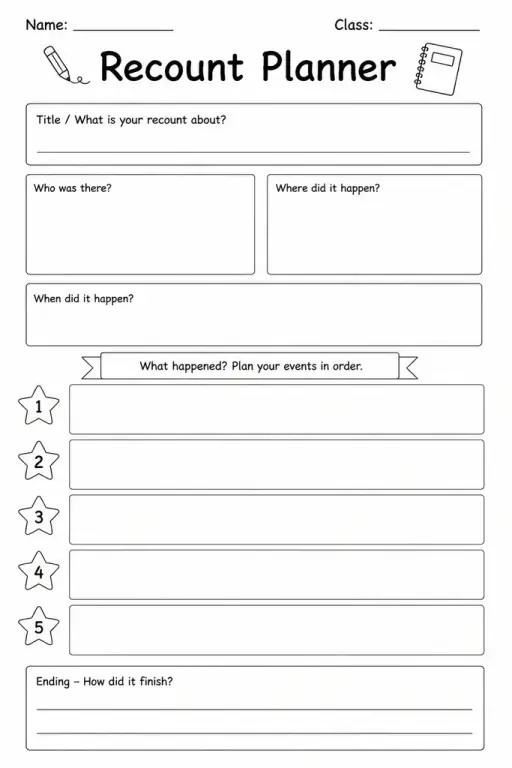
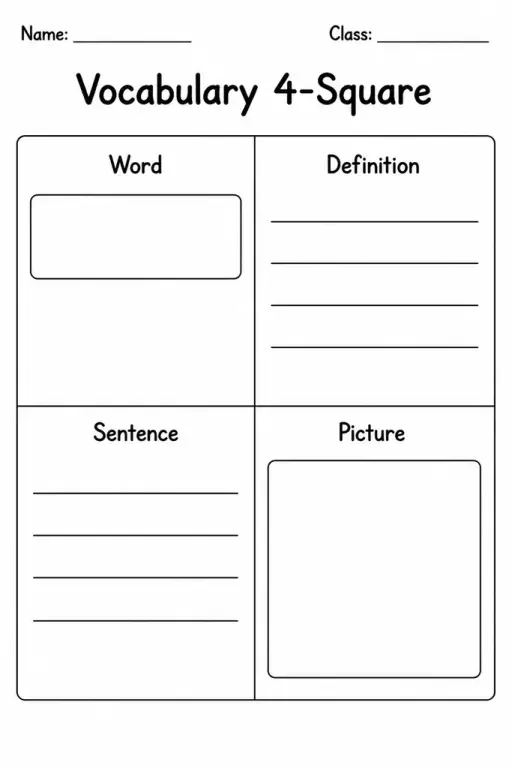
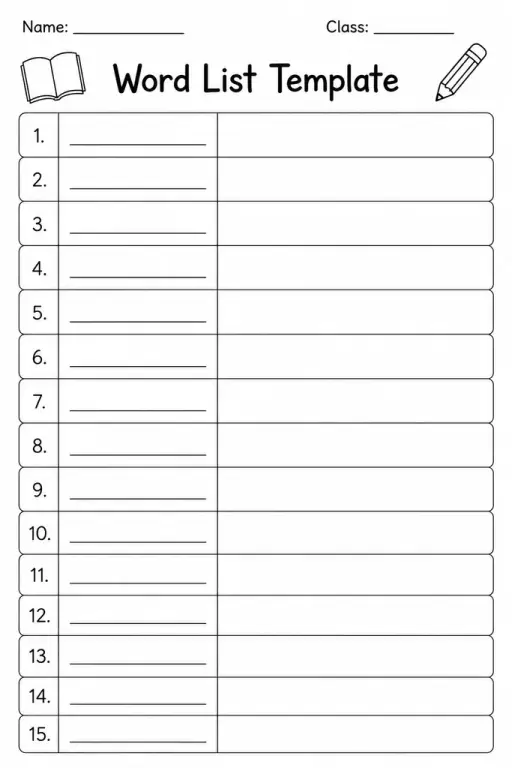
See what other teachers think and share a helpful note.
Generate a fresh worksheet for any grade, topic and language. Free.
 Home
Home All solutions
 Pricing
 About us
 KiwiBee for Non-profits
 Events & webinars
 For big organisations
 For schools
 For centers
 For team leaders
 For teachers
 AI and resources
 Resources
 Printable worksheets
 Lesson Packs
 Interactive simulations
 Teacher tools
 AI studio
 Ideas and research