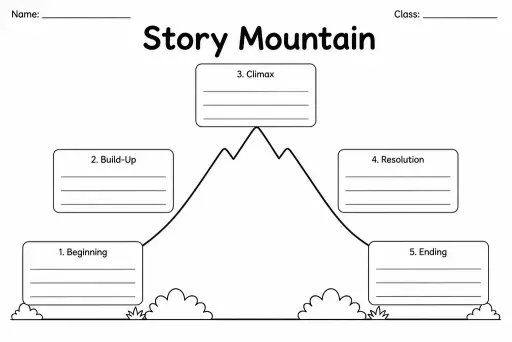
Story Mountain
Graphic Organizers
Ages 4–11
——
KiwiBee uses optional Google Analytics, Google Ads, and Meta Pixel cookies to understand adult visitors, measure completed sign-ups, and improve campaigns. Essential cookies always stay on. OpenAI’s ChatGPT Ads Pixel also measures page views and completed enquiries after advertising consent, and may use hashed contact details for matching. Privacy policy

The cinquain / diamante frame is a dual-purpose poem scaffold that prints both formats on one sheet. Each format has clearly labelled blank lines showing exactly how many words or syllables belong on each row, so students in grades 3–7 can pick the style that suits the lesson or their own preference. A cinquain builds in five lines from one word to a longer phrase and back, while a diamante uses a diamond shape to contrast two related or opposite concepts across seven lines. Teachers use the frame during poetry units, compare-and-contrast lessons, or as a vocabulary-deepening activity because both formats demand precise word selection. No artistic drawing is required — the blank lines do all the structuring.
A cinquain has five lines with a syllable or word-count pattern (often 2-4-6-8-2 syllables or 1-2-3-4-1 words). A diamante has seven lines arranged in a diamond shape, typically moving from one noun concept to an opposite or related noun, using adjectives, -ing verbs, and a bridging phrase in between.
Yes. The labelled blank lines give ELL students a clear structural guide, and the short line lengths reduce the volume of writing required. Teachers can pre-fill one or two lines as a scaffold.
Absolutely. The traditional format uses antonyms, but a related-concepts version (e.g. kitten → cat, or seed → tree) works just as well and is often easier for younger grades.
Have students clap out syllables before writing, or use a buddy-check system where a partner counts along. The blank lines include a small syllable-count label so students can self-verify.
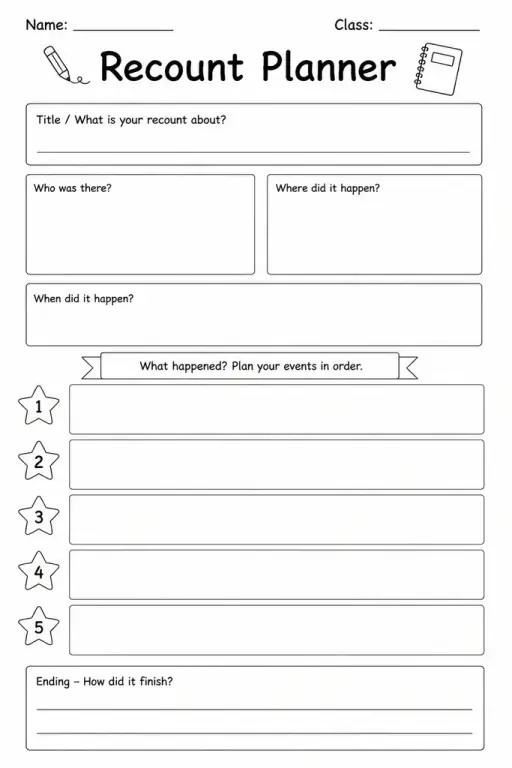
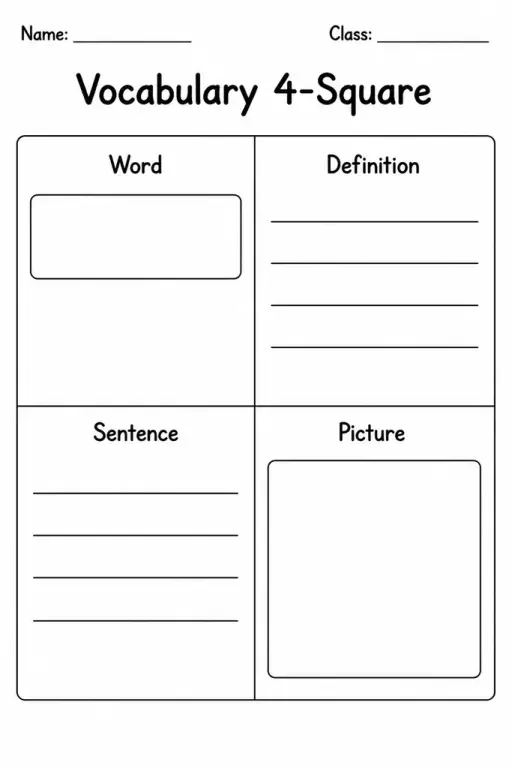
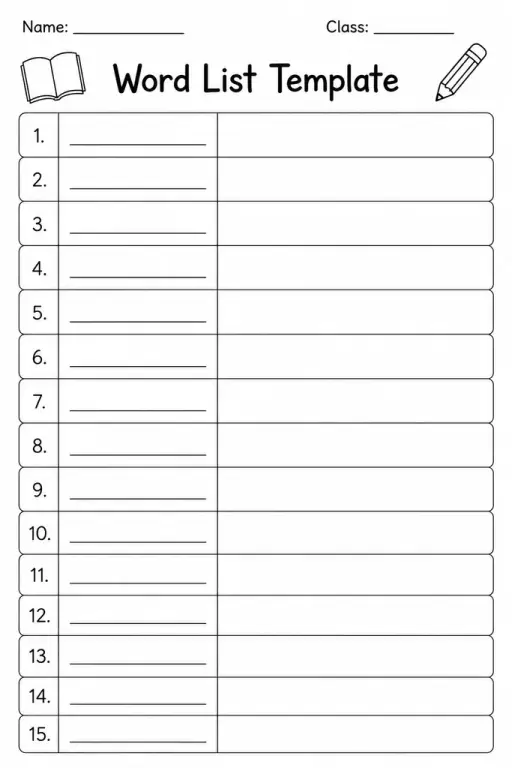
See what other teachers think and share a helpful note.
Generate a fresh worksheet for any grade, topic and language. Free.
 Home
Home All solutions
 Pricing
 About us
 KiwiBee for Non-profits
 Events & webinars
 For big organisations
 For schools
 For centers
 For team leaders
 For teachers
 AI and resources
 Resources
 Printable worksheets
 Lesson Packs
 Interactive simulations
 Teacher tools
 AI studio
 Ideas and research