The Signs I Missed: A Teacher's Honest Guide to Student Mental Health
After 15 years of teaching, I thought I knew my students. Then I missed something important. This is what I wish I'd understood sooner.
Cộng đồng Giáo dục
Ý tưởng, nghiên cứu, kỹ thuật giảng dạy và tài nguyên cho giáo viên K-12.
60 bài viết
60 bài viết for “AI” · Xóa tìm kiếm
Chia sẻ, suy ngẫm và tài nguyên giảng dạy mới nhất.
Trang 3 / 3

After 15 years of teaching, I thought I knew my students. Then I missed something important. This is what I wish I'd understood sooner.

I thought I was an expert observer. Then AI analysis of the same lessons I watched showed patterns my experienced eyes had completely missed.

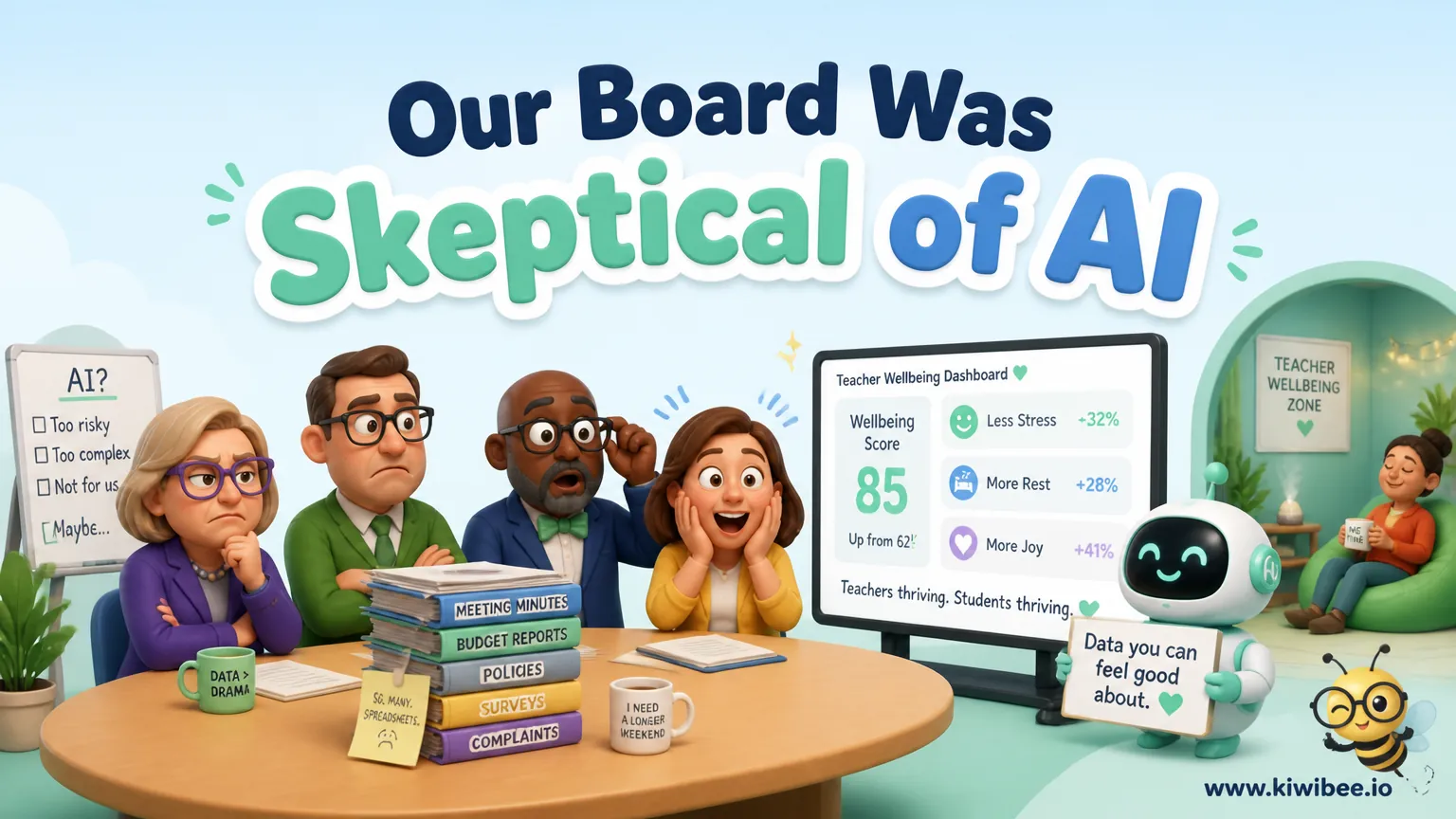
When staff presented an AI platform proposal, our board's first instinct was caution. Six months later, we're asking why we didn't adopt sooner.

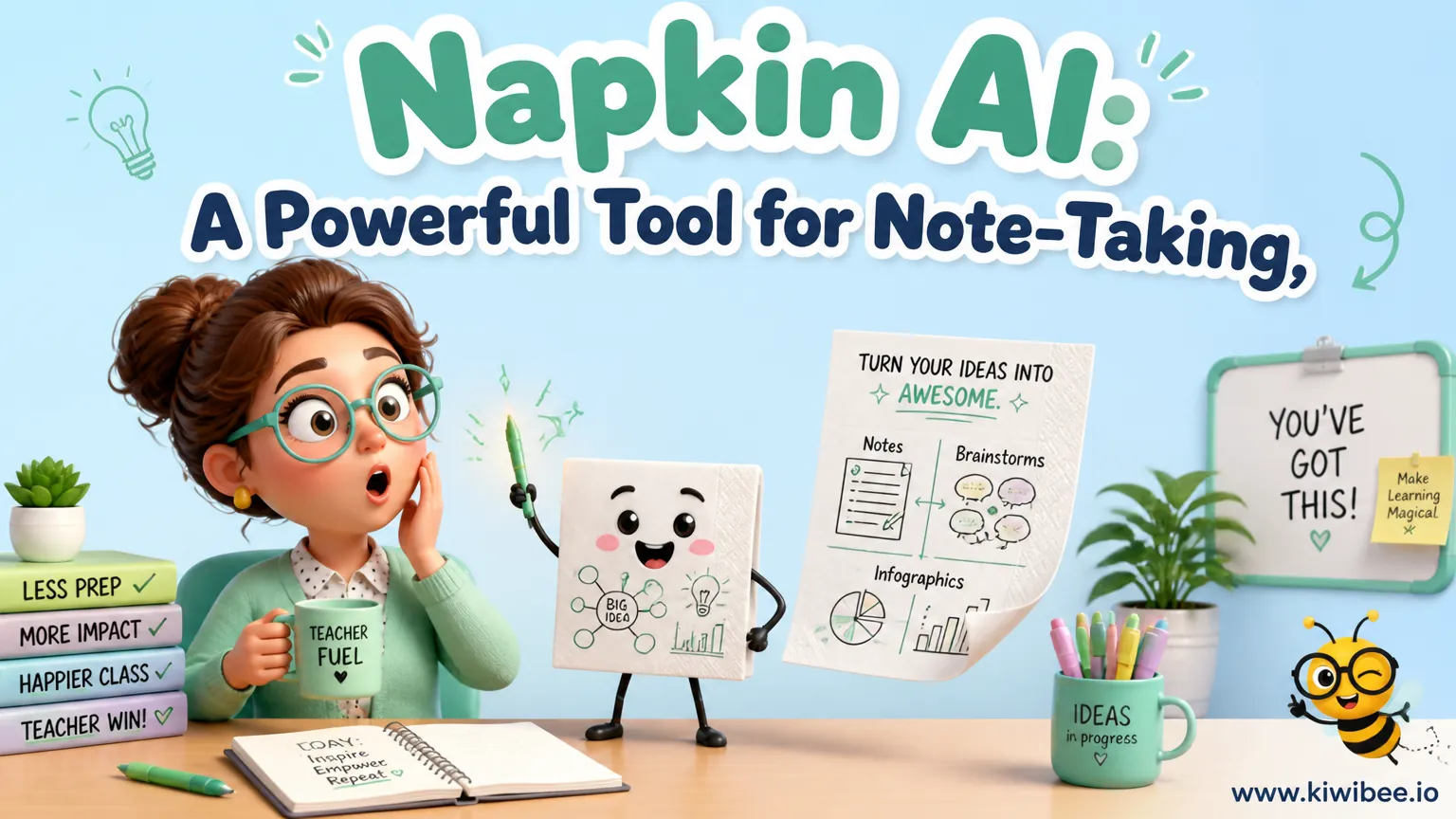
An in-depth review of Napkin AI, an AI-powered tool that transforms notes into visual diagrams, infographics, and brainstorming canvases.

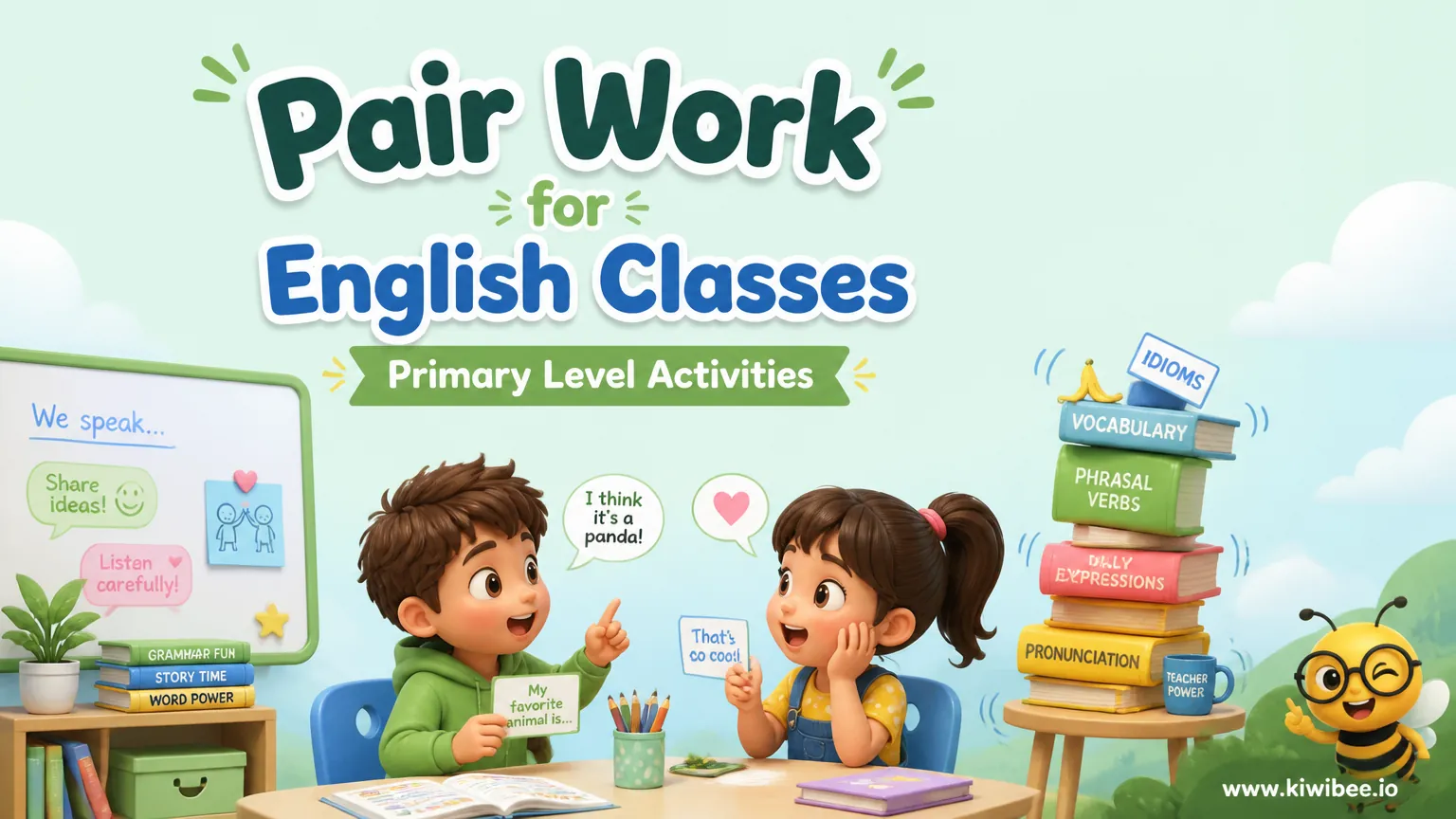
Practical pair work activities for primary English classes using word mats, dice games, spinners, and Snakes and Ladders to build speaking and vocabulary skills.

Go beyond the basics with image-based prompts, critical thinking questions, brainstorming games, Wordwall activities, and Total Physical Response warm-ups.

From the Random Student Selector to parent Chats, discover the five ClassDojo features teachers use most and how each one strengthens engagement, fairness, and communication in the classroom.

Explore video, image, question, and brainstorming warm-ups that activate prior knowledge and set the tone for engaged learning.

Discover three of the most effective brain break activities teachers use to reset student energy, improve focus, and make learning fun throughout the school day.

Your .edu email is worth more than you think. From Adobe Creative Cloud to free Canva Pro, here are six valuable discounts and freebies available to teachers and educators.

Discover how Ms. Saunders uses an AI planning assistant to map out weekly lessons, surface intervention groups, and keep families in the loop.

Facilitate meaningful AI ethics conversations with scenario cards, collaborative norms, and artifact-based reflection tasks.