Printable template
Perler / Fuse-Bead Pegboard Grid
Square peg grid for bead designs.

A Perler / fuse-bead pegboard grid is a square dot-matrix printable that mirrors the peg layout of a standard fuse-bead board. Students place the paper beside — or under a clear board — and use it to sketch bead-color plans before committing plastic beads to the pegboard. Each cell represents one peg position, so designs transfer directly without guesswork. Kindergarteners through eighth graders use it for art class, free-choice centers, and at-home crafting. Teachers hand it out before a bead project to reduce wasted beads and restart frustration. Parents keep a stack near the craft box so kids can plan holiday ornaments, game sprites, or friendship-bracelet patterns on paper first. The grid doubles as a standalone pixel-art coloring page when beads are not available.
Learning objectives
- Plan bead-color layouts before placing physical beads
- Develop spatial reasoning by mapping designs onto a fixed grid
- Introduce pixel-art concepts and color-by-cell thinking
- Reduce material waste by testing designs on paper first
- Build fine-motor planning and sequential decision-making
- Connect art-making to coordinate-grid math concepts
How to use this template
- Download and print the grid on standard letter paper — one grid per design attempt.
- Choose colored pencils, markers, or crayons that match your bead colors and fill each cell.
- Count rows and columns to center your design before coloring anything in.
- Transfer the completed plan to the physical pegboard one row at a time.
- Laminate a copy for a reusable dry-erase planning surface.
Classroom & home ideas
- Pixel-art portrait unit: students design a 20x20 self-portrait grid, then vote on class favorites to actually bead.
- Math tie-in: count the total colored cells and calculate the percentage of the grid each color occupies.
- Game-sprite challenge: each student recreates a favorite retro video-game character using only the grid cells.
- Holiday gift project: plan and bead personalized ornaments or magnets using the grid as the take-home reference.
- Symmetry lesson: fold the printed grid in half and design one side only, then mirror it — reinforce reflective symmetry.
Skills practised
Frequently asked questions
What size is each cell on the printable grid?
Each cell is sized to represent one standard Perler or Hama peg (roughly 5 mm square), so a 29×29 grid fills a letter-size sheet with a small margin.
Can I use this grid for Hama beads or other brands?
Yes — all major fuse-bead brands use the same 5 mm peg spacing, so the grid works interchangeably with Perler, Hama, Nabbi, and similar beads.
Is the grid suitable for very young students?
Kindergarteners can use it with thick crayons and simple designs. For younger children, enlarge the print to 120% so each cell is easier to color without crossing lines.
How do I make it reusable without laminating?
Slide the printed grid into a standard page-protector sleeve and use dry-erase or wet-erase markers; wipe clean between sessions.
Likes & comments
See what other teachers think and share a helpful note.
Create more worksheets in our Worksheet Studio
Generate fresh worksheets for any grade, topic, and language — free.
Open the Worksheet StudioRelated worksheets
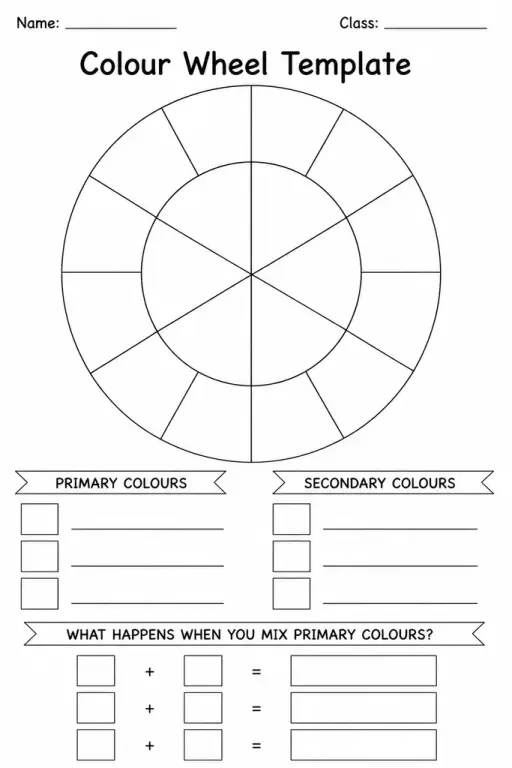
Colour Wheel Template
School Event Coloring Pages Pack 2
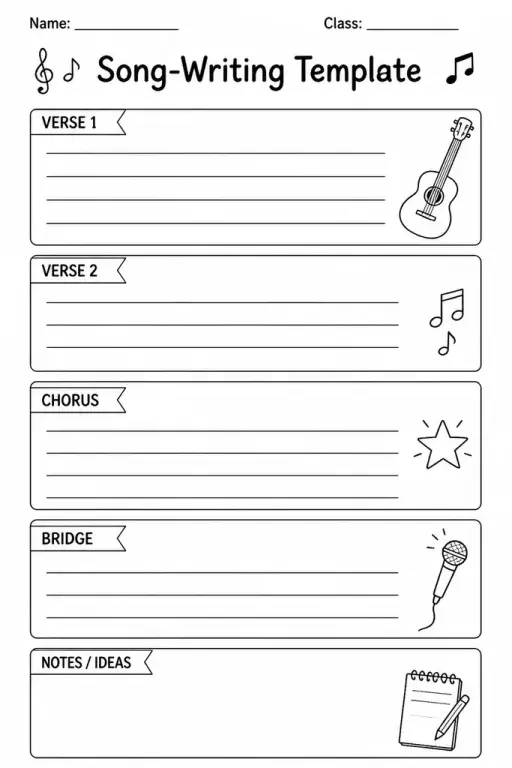
Song-Writing Template
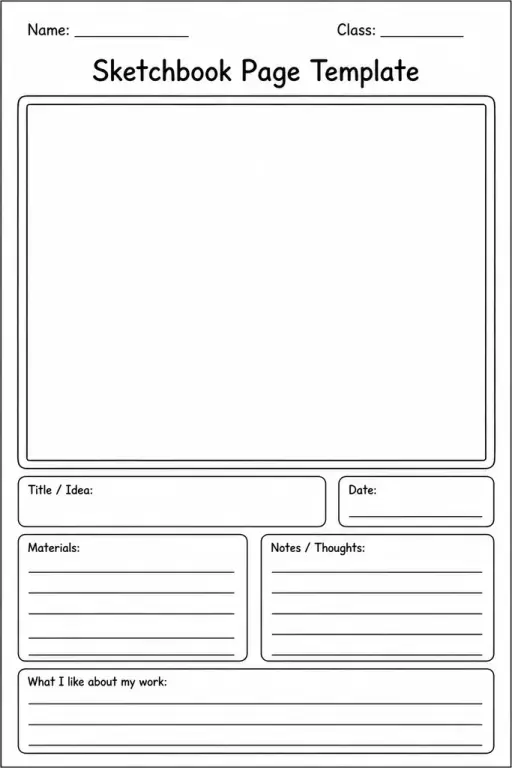
Sketchbook Page Template
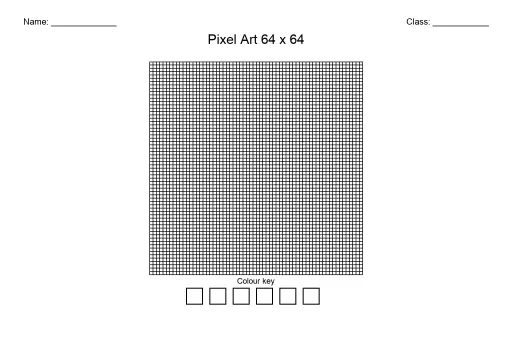
Pixel Art Grid 64x64 (Blank)
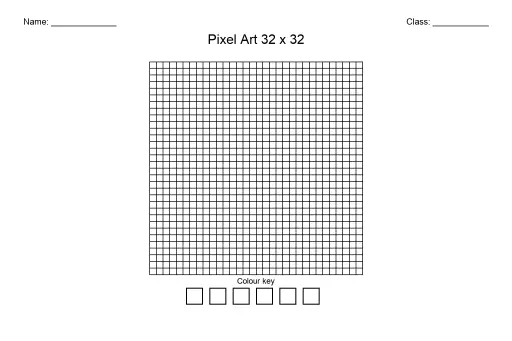
Pixel Art Grid 32x32 (Blank)
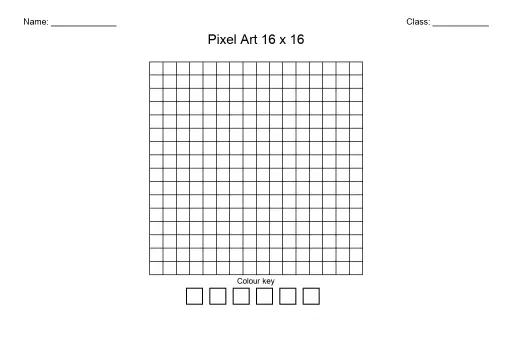
Pixel Art Grid 16x16 (Blank)
 For big organisations
 For schools
 For centers
 For team leaders
 For teachers
 AI and resources
 Printable worksheets
 Interactive simulations
 Teacher tools
 AI studio
 Ideas and research