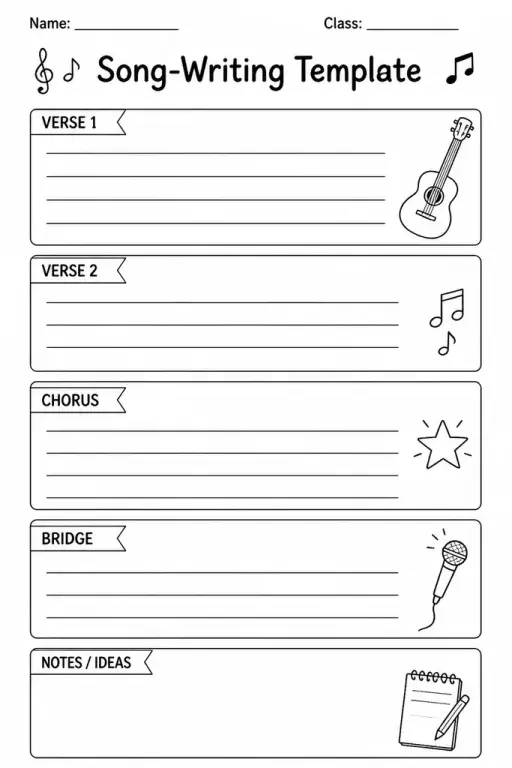
Song-Writing Template
Music Templates
Ages 4–11
——
KiwiBee uses optional Google Analytics, Google Ads, and Meta Pixel cookies to understand adult visitors, measure completed sign-ups, and improve campaigns. Essential cookies always stay on. OpenAI’s ChatGPT Ads Pixel also measures page views and completed enquiries after advertising consent, and may use hashed contact details for matching. Privacy policy

The Music Composition Planner is a blank planning frame that helps students in grades 4–8 think through the structural and expressive choices in a composition before writing a single note. Sections prompt the composer to record the title, intended mood, instrumentation, tempo, key or scale, and a bar-by-bar outline of how the piece develops. It acts like an architect's blueprint — thinking first, composing second — so students arrive at notation software, a DAW, or manuscript paper with clear creative direction already mapped out. Teachers use it at the start of a composition project to scaffold independent work, reducing creative paralysis and off-task behaviour. Because the frame is completely blank inside, it accommodates any style from a simple pentatonic melody to a multi-part arrangement, and it pairs naturally with any notation tool the school uses.
Very little. The planner focuses on structure and ideas rather than written notation, so even students new to formal theory can complete it meaningfully.
Yes. Each group fills out one shared planner, which encourages discussion and agreement on creative direction before members work on individual parts.
The default layout has six section boxes, enough for an intro, two or three main sections, a climax, and an ending — expandable by printing extra pages.
Absolutely. The prompts align well with composition briefs in KS3/KS4 and equivalent middle-school courses that require structured compositional planning.
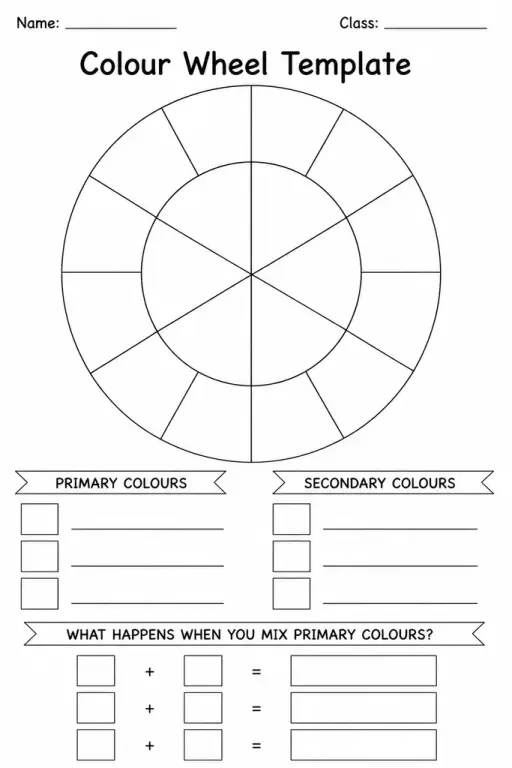

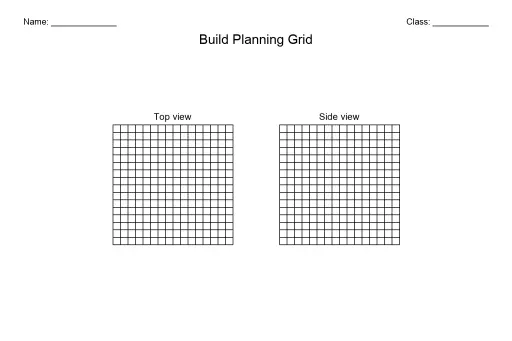
See what other teachers think and share a helpful note.
Generate a fresh worksheet for any grade, topic and language. Free.
 Home
Home All solutions
 Pricing
 About us
 KiwiBee for Non-profits
 Events & webinars
 For big organisations
 For schools
 For centers
 For team leaders
 For teachers
 AI and resources
 Resources
 Printable worksheets
 Lesson Packs
 Interactive simulations
 Teacher tools
 AI studio
 Ideas and research