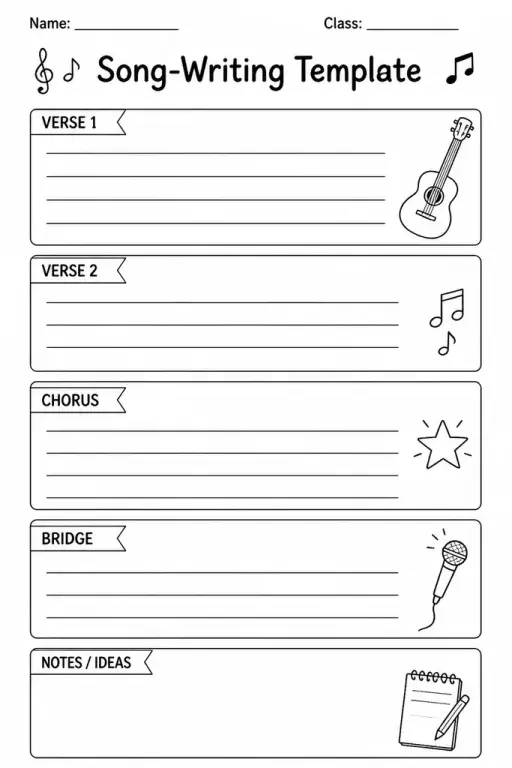
Song-Writing Template
Music Templates
Ages 4–11
——
KiwiBee uses optional Google Analytics, Google Ads, and Meta Pixel cookies to understand adult visitors, measure completed sign-ups, and improve campaigns. Essential cookies always stay on. OpenAI’s ChatGPT Ads Pixel also measures page views and completed enquiries after advertising consent, and may use hashed contact details for matching. Privacy policy

The Drawing Grid template — also known as the grid method — gives students in grades 3–8 a numbered, lettered grid they overlay on a reference image and then copy square by square onto a matching blank grid at a larger scale. By breaking the subject into small, manageable cells, the technique removes the intimidation of drawing a complex image freehand and teaches artists to observe shape and proportion rather than drawing from memory. Art teachers use it as a standalone enlargement exercise or as a foundational lesson on proportion and scale. The numbered rows and lettered columns printed on the template make it easy for students to cross-reference each cell precisely. The blank grid is fully reusable — students can scale up any photograph, artwork, or hand-drawn sketch, making it endlessly versatile across portrait, landscape, and design projects.
The standard download includes a 4×4 and a 6×6 grid. You can print multiple sheets at different sizes to create any scale ratio you need — e.g., print one 4×4 at half-size and one at full page.
No — that is the whole point. The grid method is specifically designed for students who struggle with proportion. By focusing on one small cell at a time, even beginners produce surprisingly accurate enlargements.
It works best printed because students need to physically overlay the grid on a reference image. However, in a digital art app, students can add a grid overlay layer and work the same way on a tablet.
Start with a light HB pencil so grid lines erase cleanly. Once the outline is transferred correctly, students can switch to any medium — ink, coloured pencil, paint, or charcoal — to finish the piece.
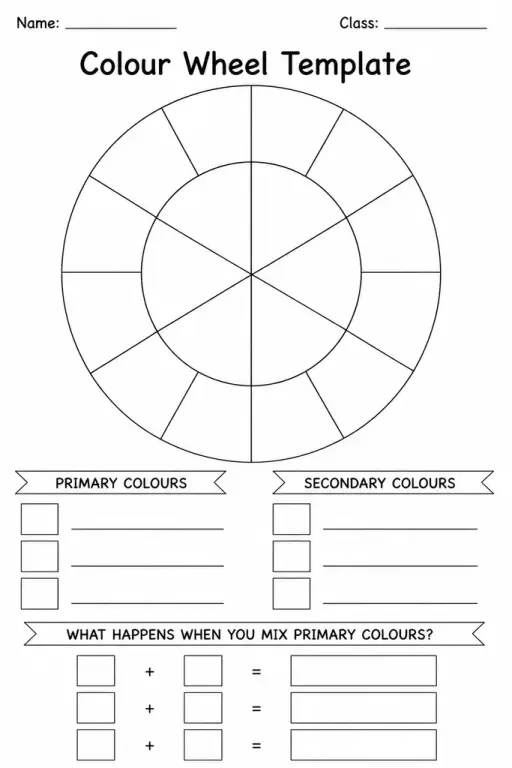

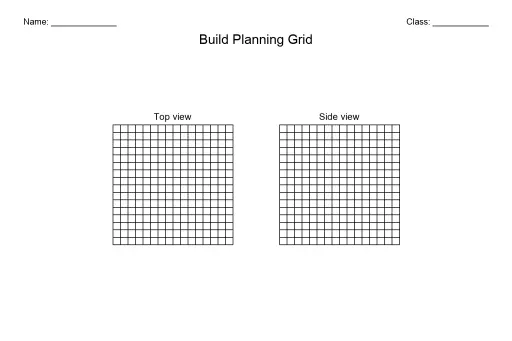
See what other teachers think and share a helpful note.
Generate a fresh worksheet for any grade, topic and language. Free.
 Home
Home All solutions
 Pricing
 About us
 KiwiBee for Non-profits
 Events & webinars
 For big organisations
 For schools
 For centers
 For team leaders
 For teachers
 AI and resources
 Resources
 Printable worksheets
 Lesson Packs
 Interactive simulations
 Teacher tools
 AI studio
 Ideas and research