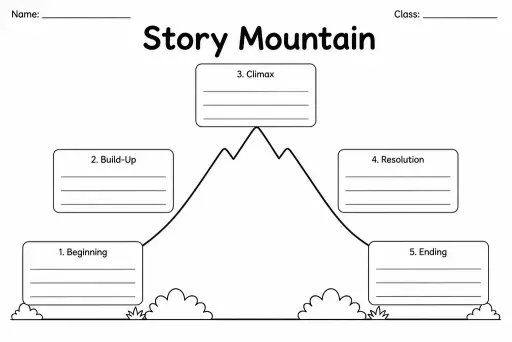
Story Mountain
Graphic Organizers
Ages 4–11
——
KiwiBee uses optional Google Analytics, Google Ads, and Meta Pixel cookies to understand adult visitors, measure completed sign-ups, and improve campaigns. Essential cookies always stay on. OpenAI’s ChatGPT Ads Pixel also measures page views and completed enquiries after advertising consent, and may use hashed contact details for matching. Privacy policy

The Bullet-Journal Dot Page is a blank A4 or letter-sized sheet covered in a light, evenly spaced dot grid — rows and columns of small dots that act as invisible guides without imposing ruled lines or boxes. Students in grades 4 through 8 use it for free-form planning, habit tracking, creative layouts, weekly spreads, mind maps, and doodle-based study notes. The dot grid gives just enough structure to keep writing and drawing aligned without the rigidity of lined paper. Because each dot is equidistant, students can improvise bullet lists, small calendars, hand-drawn tables, or sketched diagrams at any scale. Teachers introduce it for project planning pages, reading logs designed by the student, or as a quiet creative outlet alongside academic work.
The dots are spaced 5 mm apart — the standard bullet-journal spacing that lets students write comfortably between two dot rows or use every other row for larger lettering.
The dots are printed in a light grey that fades on most photocopiers and scanners, keeping the focus on the student's work.
Yes, with a brief introduction. Show students a simple use case — like drawing a quick table or a bullet list — and most grade 4 students adapt quickly to the flexible format.
It provides the same dot-grid page found in commercial journals at no cost. Students can print as many pages as they need and store them in any folder or binder.
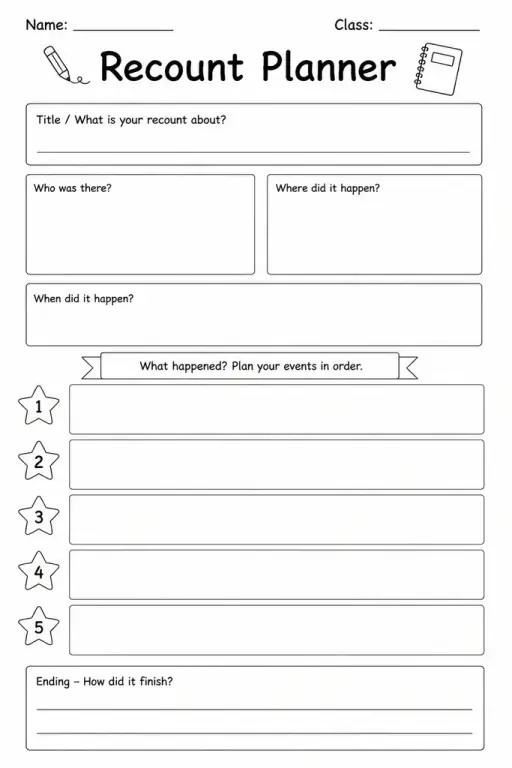
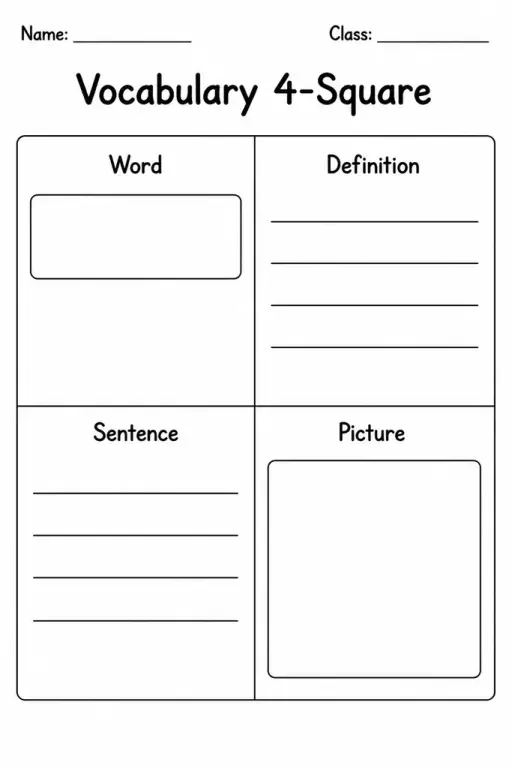
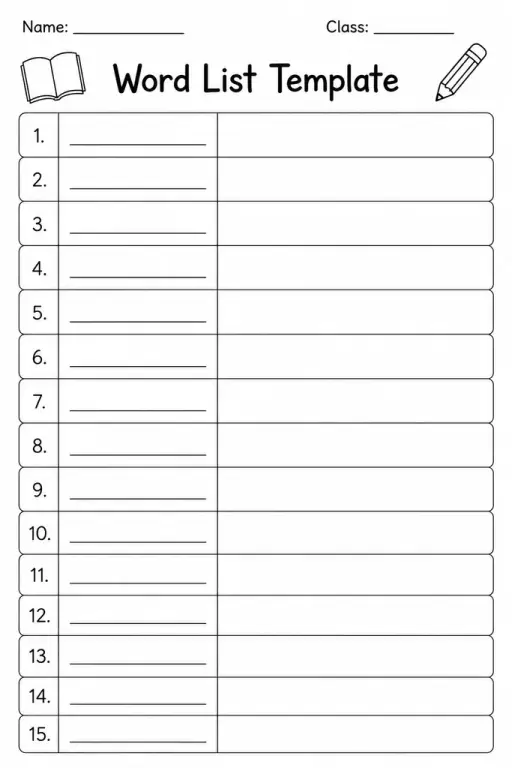
See what other teachers think and share a helpful note.
Generate a fresh worksheet for any grade, topic and language. Free.
 Home
Home All solutions
 Pricing
 About us
 KiwiBee for Non-profits
 Events & webinars
 For big organisations
 For schools
 For centers
 For team leaders
 For teachers
 AI and resources
 Resources
 Printable worksheets
 Lesson Packs
 Interactive simulations
 Teacher tools
 AI studio
 Ideas and research