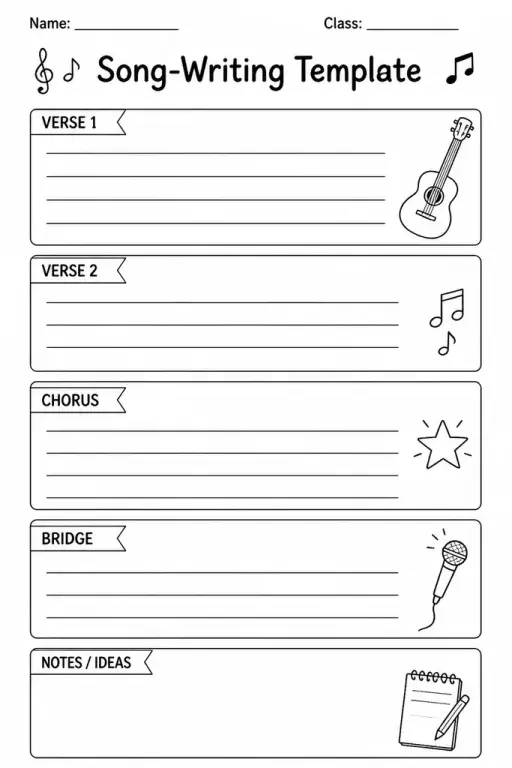
Song-Writing Template
Music Templates
Ages 4–11
——
KiwiBee uses optional Google Analytics, Google Ads, and Meta Pixel cookies to understand adult visitors, measure completed sign-ups, and improve campaigns. Essential cookies always stay on. OpenAI’s ChatGPT Ads Pixel also measures page views and completed enquiries after advertising consent, and may use hashed contact details for matching. Privacy policy

Blank Staff Paper (Bass) is a printable sheet of empty five-line staves, each headed by a correctly formed pre-printed bass clef symbol. Students in grades 3–8 use it to notate low-register melodies, write chord voicings, complete bass-line theory exercises, or compose accompaniment parts. The pre-drawn clef removes a barrier for beginners — the bass clef's two-dot placement is tricky to reproduce consistently by hand — and ensures every stave starts accurately. This template is essential for cellists, double bassists, bassoonists, trombonists, and left-hand piano students whose primary reading clef is bass. Music theory teachers use it for exercises that span the lower registers, such as writing a walking bass line, harmonising a melody below middle C, or identifying bass-range intervals. It pairs naturally with the Treble Clef Staff Paper template when a full grand staff is needed for piano or choral SATB work.
Yes. Each stave comes with a correctly positioned bass clef — including the two dots placed above and below the fourth line — already printed, so students begin writing notes straight away.
It is essential for cello, double bass, bassoon, trombone, and tuba students, and for pianists working on left-hand parts. Any student studying music theory at grade 3 or above will encounter bass clef exercises and benefit from having dedicated blank paper for them.
The only difference is the clef symbol: treble for higher-pitched instruments and the right hand of piano; bass for lower-pitched instruments and the left hand of piano. Both templates have the same number of staves per page and the same line spacing.
Yes. Laminate a printed copy and students can write on it with a dry-erase or wet-erase marker, wipe it clean, and reuse it for drills and dictation exercises without printing a new sheet each time.

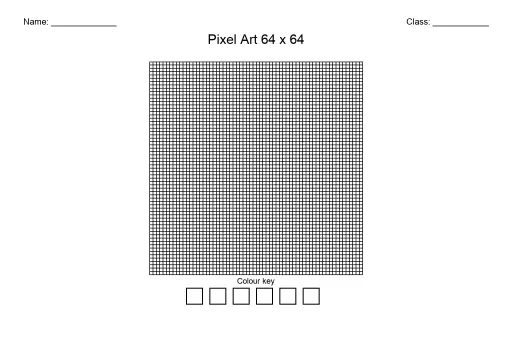
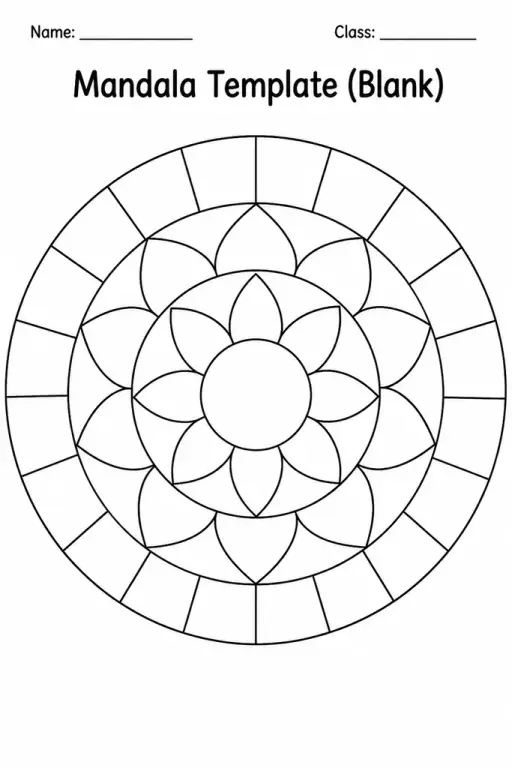
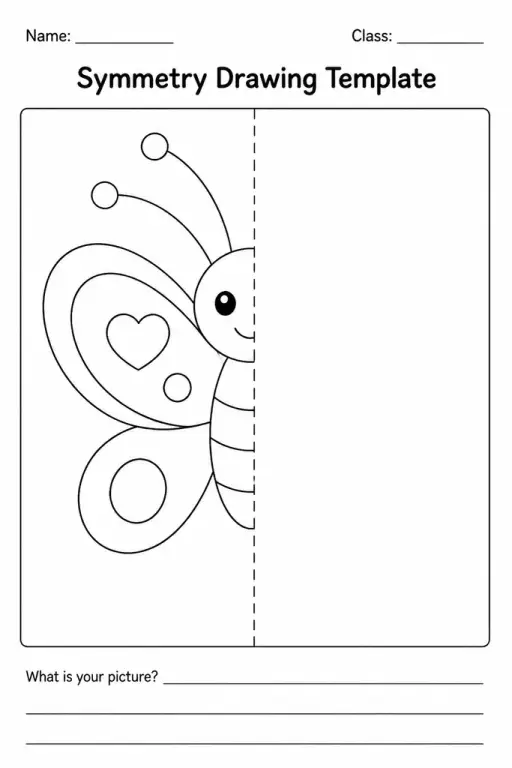
See what other teachers think and share a helpful note.
Generate a fresh worksheet for any grade, topic and language. Free.
 Home
Home All solutions
 Pricing
 About us
 KiwiBee for Non-profits
 Events & webinars
 For big organisations
 For schools
 For centers
 For team leaders
 For teachers
 AI and resources
 Resources
 Printable worksheets
 Lesson Packs
 Interactive simulations
 Teacher tools
 AI studio
 Ideas and research