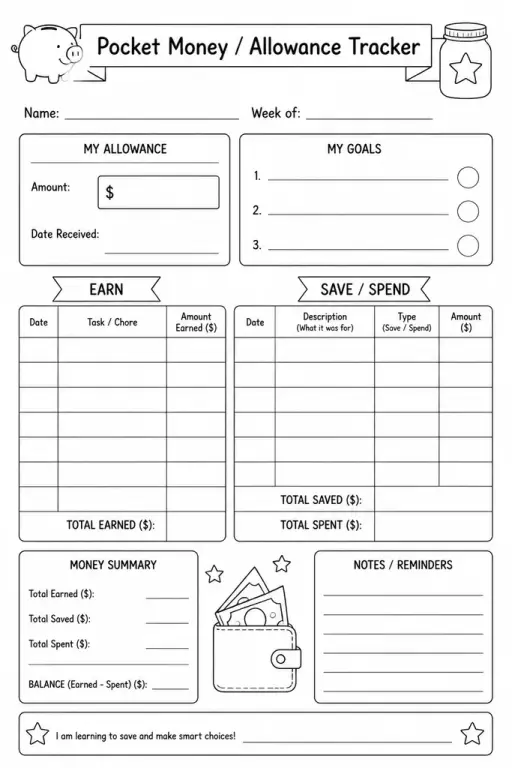
Pocket Money / Allowance Tracker
Parent & Home Printables
Ages 4–11
——
KiwiBee uses optional Google Analytics, Google Ads, and Meta Pixel cookies to understand adult visitors, measure completed sign-ups, and improve campaigns. Essential cookies always stay on. OpenAI’s ChatGPT Ads Pixel also measures page views and completed enquiries after advertising consent, and may use hashed contact details for matching. Privacy policy

The Sticker Reward Chart for Home is a blank goal-tracking sheet that parents and children fill in together, centred on earning physical stickers toward a single, agreed goal. Unlike a multi-behaviour chart, this template focuses on one target at a time — making a bed every morning, reading for fifteen minutes, or practising an instrument — so the child can experience the satisfying momentum of watching a grid fill up sticker by sticker. Ideal for PreK through Grade 5, the chart is deliberately simple: a title area for the goal, a large grid of empty cells waiting for stickers, and a space to write what the completed chart earns. Its visual immediacy makes it especially effective for young children who respond better to concrete, colourful progress cues than to abstract point systems. One sheet typically covers two to four weeks depending on how many cells you use.
Standard round dot stickers (about 19 mm / 3/4 inch) fit the cells neatly. Foam stickers, foil stars, or themed stickers all work — the fun of choosing a sticker is part of the reward.
Either works, but starting with a behaviour the child already does occasionally makes early success more likely. Momentum from filling the first few cells quickly builds confidence to continue.
Two to four weeks is a sweet spot. Too short (a few days) and it loses motivational pull; too long (months) and the reward feels too distant for young children to stay engaged.
It works better as an individual tool — each child benefits from owning their own chart. If siblings want to participate together, use the multi-child chore chart template and add a sticker column for each.
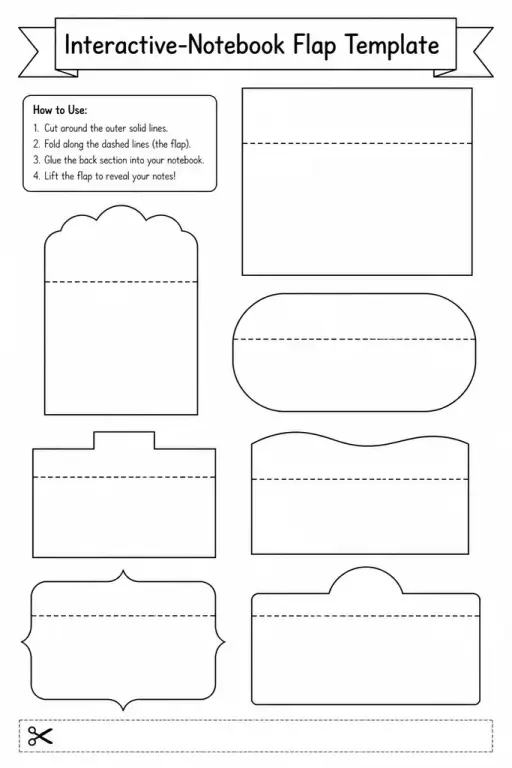
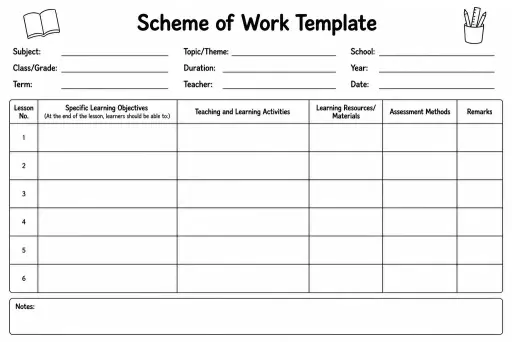
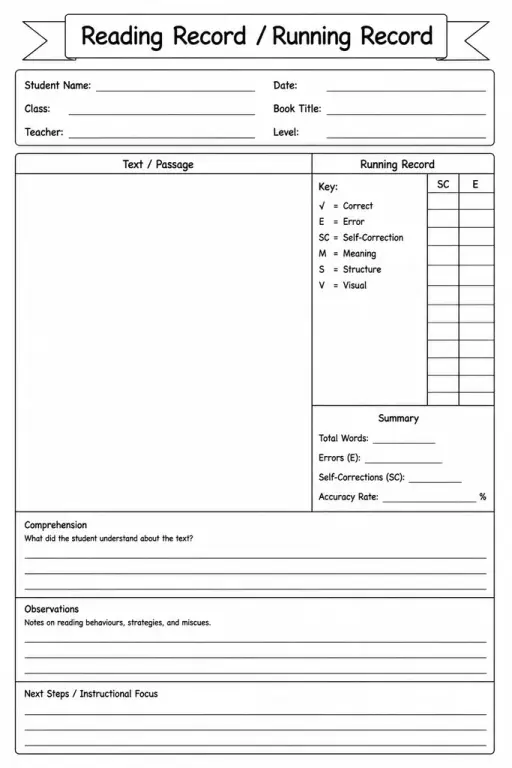
See what other teachers think and share a helpful note.
Generate a fresh worksheet for any grade, topic and language. Free.
 Home
Home All solutions
 Pricing
 About us
 KiwiBee for Non-profits
 Events & webinars
 For big organisations
 For schools
 For centers
 For team leaders
 For teachers
 AI and resources
 Resources
 Printable worksheets
 Lesson Packs
 Interactive simulations
 Teacher tools
 AI studio
 Ideas and research