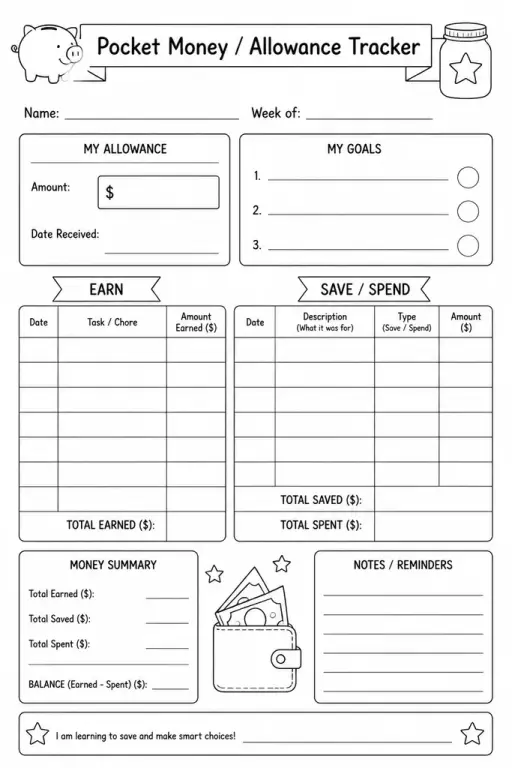
Pocket Money / Allowance Tracker
Parent & Home Printables
Ages 4–11
——
KiwiBee uses optional Google Analytics, Google Ads, and Meta Pixel cookies to understand adult visitors, measure completed sign-ups, and improve campaigns. Essential cookies always stay on. OpenAI’s ChatGPT Ads Pixel also measures page views and completed enquiries after advertising consent, and may use hashed contact details for matching. Privacy policy

The Practice Tracker (Music/Sport) is a blank daily-practice log for parents of children taking music lessons, playing on sports teams, or developing any skill that benefits from consistent repetition. Each row represents a single practice session; columns capture the date, activity (instrument, sport, or drill), duration, what was worked on, and a self-rating or notes. Parents initial the log to confirm the session happened, giving it a light accountability structure without turning practice into a chore. Suitable from grade 1 upward, the template works for piano, swimming, martial arts, football, violin, gymnastics—anything where deliberate daily practice drives improvement.
The notes column is open-ended, so a child who does piano Monday and swimming Wednesday can log both on the same sheet by noting the activity in each row.
Yes, leaving a row blank or writing 'rest day' is fine; the gaps themselves become a useful conversation starter about consistency.
The number of rows determines the span—most versions cover 20-30 sessions, roughly four to six weeks of daily practice.
Absolutely—print a sheet for each student at the start of the term and collect them at lesson/training sessions for a quick check-in.
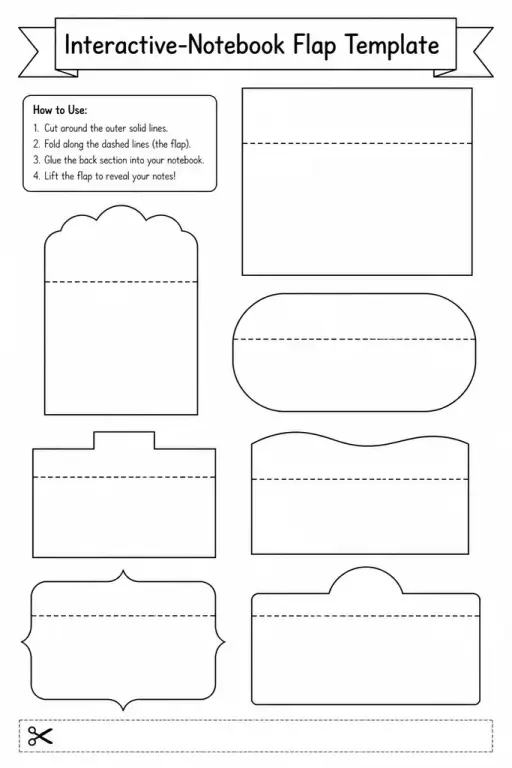
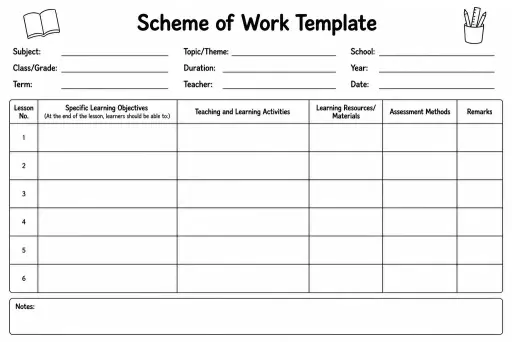
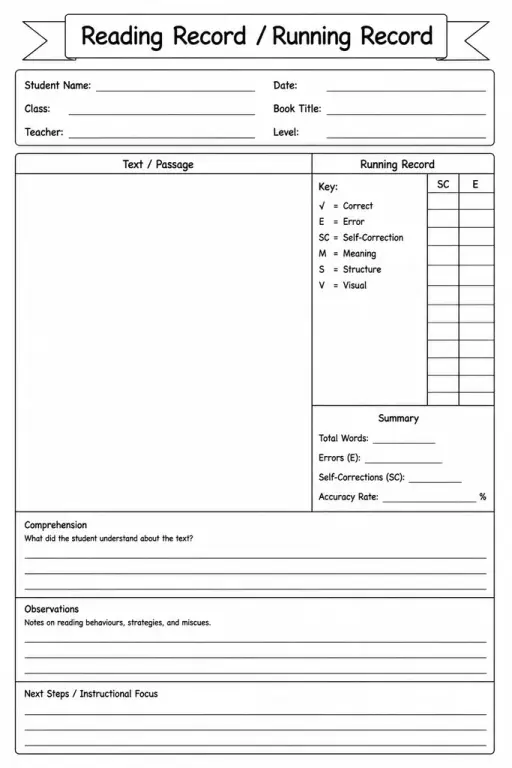
See what other teachers think and share a helpful note.
Generate a fresh worksheet for any grade, topic and language. Free.
 Home
Home All solutions
 Pricing
 About us
 KiwiBee for Non-profits
 Events & webinars
 For big organisations
 For schools
 For centers
 For team leaders
 For teachers
 AI and resources
 Resources
 Printable worksheets
 Lesson Packs
 Interactive simulations
 Teacher tools
 AI studio
 Ideas and research