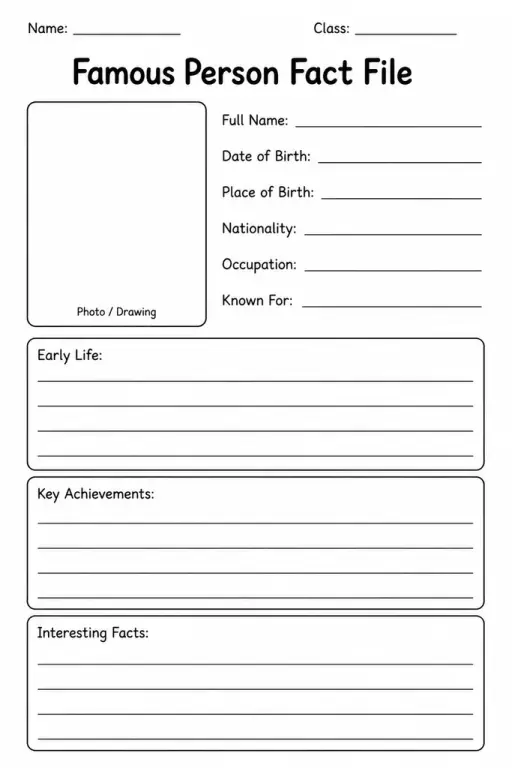
Famous Person Fact File
Social Studies Templates
Ages 4–11
——
KiwiBee uses optional Google Analytics, Google Ads, and Meta Pixel cookies to understand adult visitors, measure completed sign-ups, and improve campaigns. Essential cookies always stay on. OpenAI’s ChatGPT Ads Pixel also measures page views and completed enquiries after advertising consent, and may use hashed contact details for matching. Privacy policy

The Oral-History Interview Template is a structured question-and-answer-line frame for students in grades 3–8 who are gathering first-hand accounts from family members, community elders, or other interviewees. Each row pairs a blank question line with several lined answer-recording rows beneath it, giving students space to either jot notes in the moment or write a full transcription afterwards. Teachers use it across social studies, history, and literacy units to teach primary-source research skills, active listening, and respectful interviewing. It is particularly powerful for local history, immigration studies, cultural heritage projects, and personal narrative units. Because the question prompts are completely blank, students must craft their own questions in advance—an important pre-interview research step—making the template a learning tool at every stage, not just a recording form.
Five to eight questions is ideal for a 10–15 minute interview. Encourage students to mark two or three as 'essential' in case time runs short, and to prepare two follow-up prompts like 'Can you tell me more about that?' to use naturally.
The template works equally well for video calls or written correspondence. Students can email questions and record typed replies in the answer rows, or watch an archived oral-history video and transcribe key responses.
Yes, but preparation is important. Teachers should preview student questions for sensitivity before the interview, remind students to follow the interviewee's lead, and include a 'skip this question' option so the interviewee feels fully in control.
Absolutely. It works as a character interview frame in creative writing—students interview a fictional character and fill the answer rows with invented dialogue, building voice and backstory at the same time.
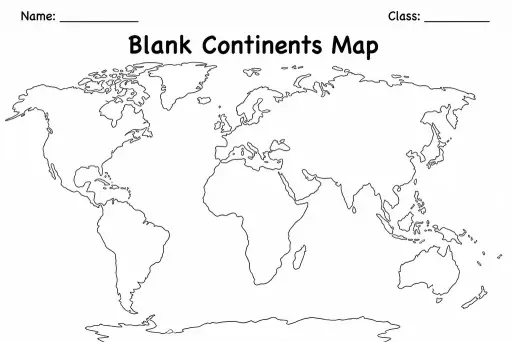
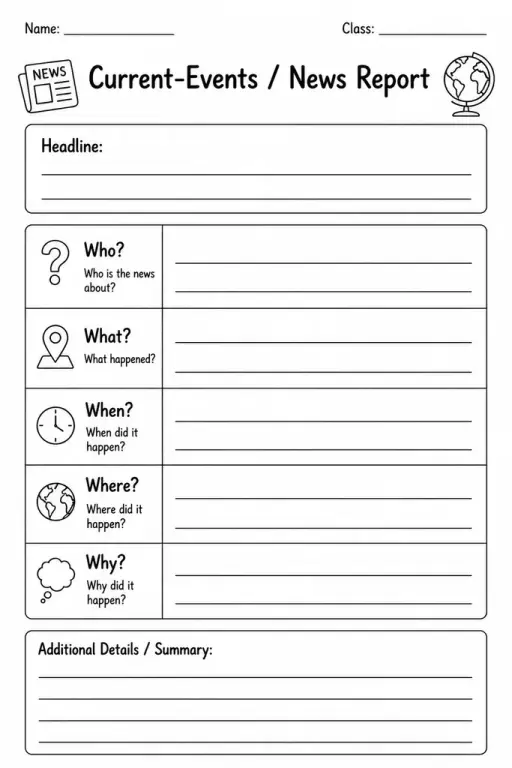
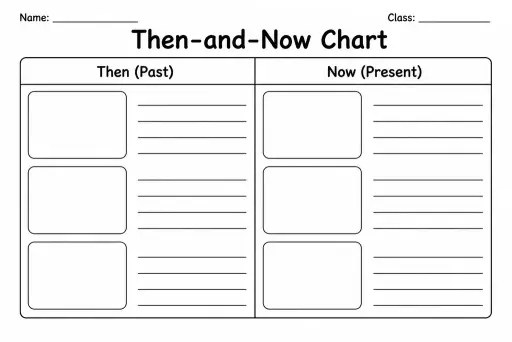
See what other teachers think and share a helpful note.
Generate a fresh worksheet for any grade, topic and language. Free.
 Home
Home All solutions
 Pricing
 About us
 KiwiBee for Non-profits
 Events & webinars
 For big organisations
 For schools
 For centers
 For team leaders
 For teachers
 AI and resources
 Resources
 Printable worksheets
 Lesson Packs
 Interactive simulations
 Teacher tools
 AI studio
 Ideas and research