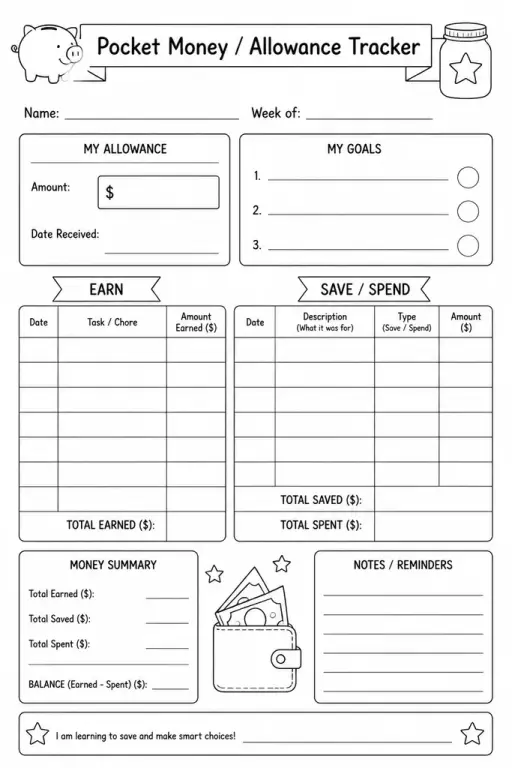
Pocket Money / Allowance Tracker
Parent & Home Printables
Ages 4–11
——
KiwiBee uses optional Google Analytics, Google Ads, and Meta Pixel cookies to understand adult visitors, measure completed sign-ups, and improve campaigns. Essential cookies always stay on. OpenAI’s ChatGPT Ads Pixel also measures page views and completed enquiries after advertising consent, and may use hashed contact details for matching. Privacy policy

A morning routine chart is a blank visual checklist parents print and post near the front door or on the fridge to guide young children through the steps they need to complete before leaving for school. Each row holds a space for a task name — or a child's own drawing of that task — and a checkbox or tick box to mark completion. The chart turns an adult-directed morning into a child-led sequence of small wins, dramatically reducing the need for repeated verbal reminders. Designed for PreK through Grade 5 families, the chart is especially powerful for children who respond to visual cues, have sensory sensitivities, or are working on independence. Parents fill in the steps that match their family's specific routine — getting dressed, eating breakfast, brushing teeth, packing the bag — and laminate the chart for daily dry-erase use. The blank format ensures the chart fits every household's order of operations, not a generic one-size prescription.
Four to seven steps is the sweet spot for PreK through Grade 2. Older children in Grades 3–5 can manage eight to ten steps. Too many rows overwhelm young children; too few means the chart misses the steps that actually cause friction.
For pre-readers and early readers, small drawings or printed clip-art next to each step are essential. From Grade 2 onward, words alone usually work, though pictures alongside text still help children who process visually.
Refresh the chart — reprint, let the child decorate it, or change the colour of cardstock. Pairing chart completion with a small immediate reward (a sticker, choosing the music for breakfast) helps re-engage the habit.
Absolutely. The blank format works for any sequential routine. Simply relabel it 'After School Chart' and fill in the new steps — shoes off, snack, homework, screen time — in the order that fits your family.
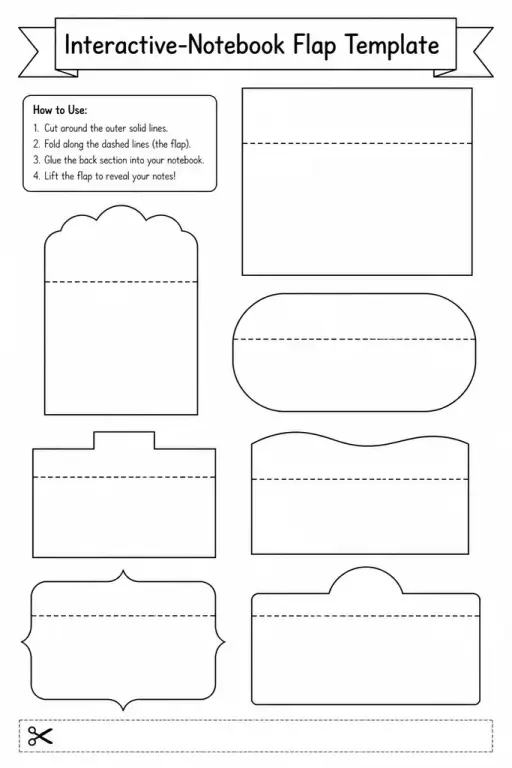
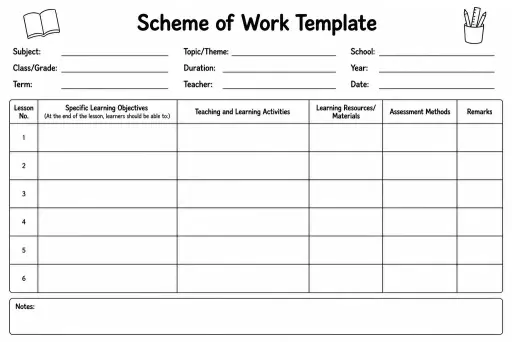
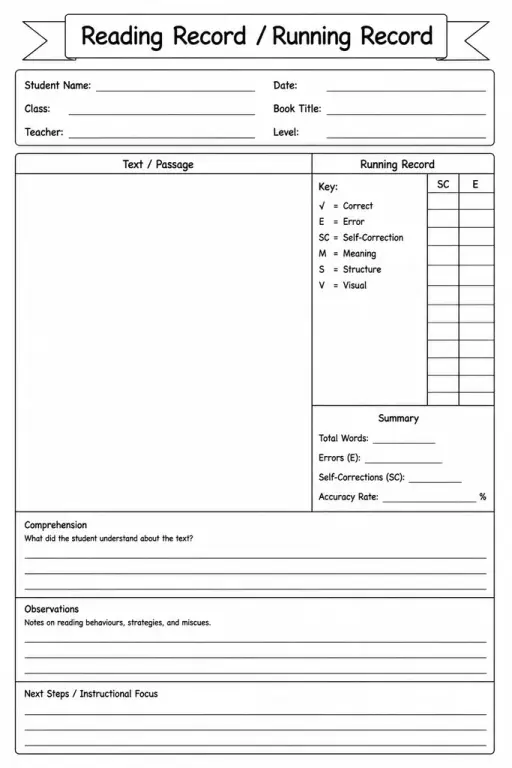
See what other teachers think and share a helpful note.
Generate a fresh worksheet for any grade, topic and language. Free.
 Home
Home All solutions
 Pricing
 About us
 KiwiBee for Non-profits
 Events & webinars
 For big organisations
 For schools
 For centers
 For team leaders
 For teachers
 AI and resources
 Resources
 Printable worksheets
 Lesson Packs
 Interactive simulations
 Teacher tools
 AI studio
 Ideas and research