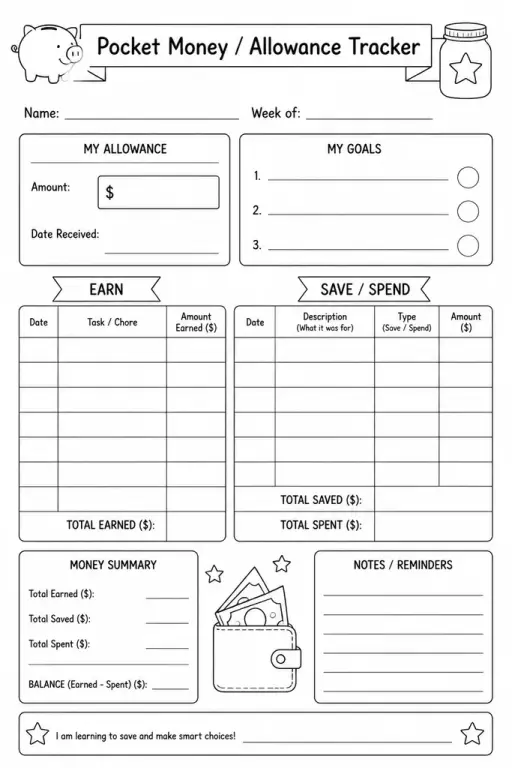
Pocket Money / Allowance Tracker
Parent & Home Printables
Ages 4–11
——
KiwiBee uses optional Google Analytics, Google Ads, and Meta Pixel cookies to understand adult visitors, measure completed sign-ups, and improve campaigns. Essential cookies always stay on. OpenAI’s ChatGPT Ads Pixel also measures page views and completed enquiries after advertising consent, and may use hashed contact details for matching. Privacy policy

This blank behaviour clip chart is a tiered visual display that helps teachers communicate expectations and track individual behaviour choices throughout the school day. The chart features a vertical or rainbow-arc layout with multiple labelled tiers — from outstanding behaviour at the top through a neutral middle zone down to consequence levels at the bottom. Each student's clothespeg or name card starts in the middle and moves up or down as behaviour warrants. Best suited to primary and lower-middle school classrooms, the blank format lets teachers customise tier names, colours, and consequence language to match their own school policy or classroom culture. Print on card stock, laminate, and mount on the wall for a durable full-year display.
Most effective clip charts use five to seven tiers. Five is easier for younger students to understand; seven allows more granularity. The blank template has space for up to seven bands.
Keep movements calm and private where possible. Emphasise that every student resets to the middle tier the next morning — the chart tracks daily choices, not character.
Yes. Some teachers use the chart only for students who need extra visual feedback and manage the rest of the class with verbal praise. Leave unused peg slots blank.
Print on 200 gsm card stock and laminate with at least 80 micron pouches. This survives a full school year of daily peg movements and occasional bumps.
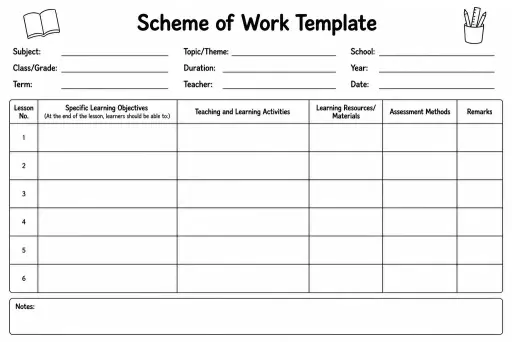
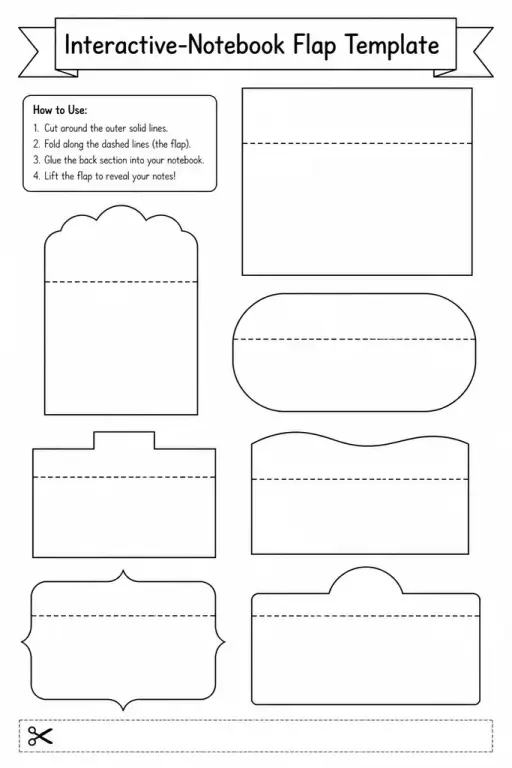
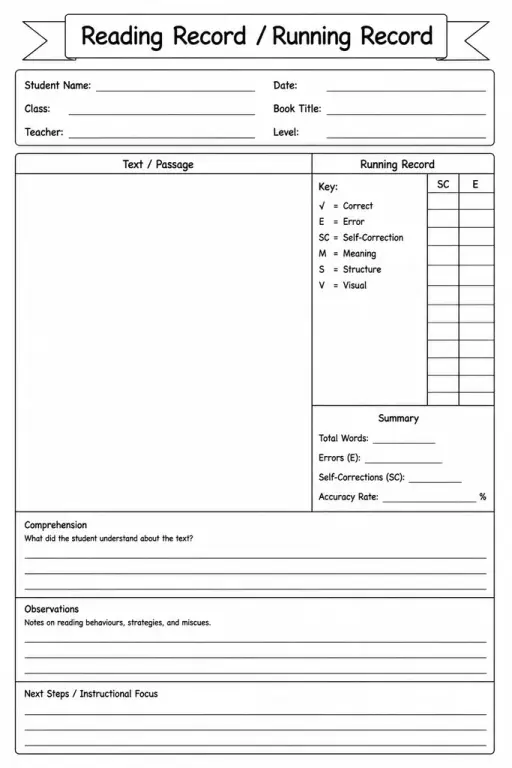
See what other teachers think and share a helpful note.
Generate a fresh worksheet for any grade, topic and language. Free.
 Home
Home All solutions
 Pricing
 About us
 KiwiBee for Non-profits
 Events & webinars
 For big organisations
 For schools
 For centers
 For team leaders
 For teachers
 AI and resources
 Resources
 Printable worksheets
 Lesson Packs
 Interactive simulations
 Teacher tools
 AI studio
 Ideas and research