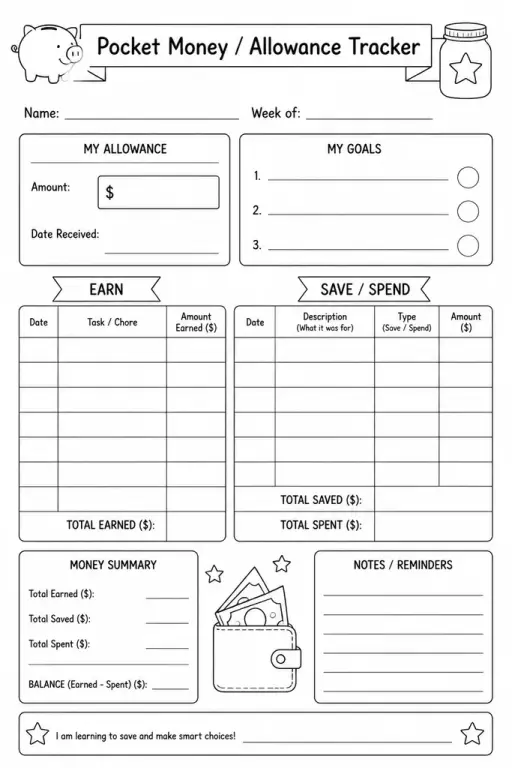
Pocket Money / Allowance Tracker
Parent & Home Printables
Ages 4–11
——
KiwiBee uses optional Google Analytics, Google Ads, and Meta Pixel cookies to understand adult visitors, measure completed sign-ups, and improve campaigns. Essential cookies always stay on. OpenAI’s ChatGPT Ads Pixel also measures page views and completed enquiries after advertising consent, and may use hashed contact details for matching. Privacy policy

A bedtime routine chart is a blank wind-down visual checklist parents print and mount in a child's bedroom or bathroom to guide the evening sequence from dinner through lights-out. Each row holds a space for a calming task — bath, pyjamas, brush teeth, pick tomorrow's clothes, read, lights off — and a checkbox the child ticks off independently. Making the routine visual and child-led signals to the brain that sleep is approaching, reinforcing the biological wind-down cues that help children fall asleep faster. Parents of PreK through Grade 5 children find the chart especially useful during season changes, after daylight saving, or whenever a child has regressed into bedtime resistance. Because the chart arrives completely blank, families fill in steps that reflect their exact nightly sequence, including cultural practices, sibling logistics, or medical routines. Laminating the chart allows it to serve as a dry-erase checklist that resets every evening.
The steps and psychological goal differ significantly. Morning charts are energising and forward-focused — getting ready, leaving on time. Bedtime charts are deliberately calming — winding down, transitioning from active to restful. The blank template lets you tailor the tone of each row accordingly.
Most children aged 4–5 can follow a simple 4–5 step chart with a parent nearby. By age 6–7, many children complete all steps without prompting if the chart is well-positioned and the routine is established. Adjust the number of steps to match your child's developmental stage.
If screens are part of your family's evening, listing them early in the sequence — before bath and teeth — signals that screens end well before sleep. Placing the screen step toward the top of the chart with a clear end time makes the transition to calmer steps less contentious.
Charts help most when the child has some ownership. Let them choose the colour of the cardstock, draw the illustrations, or decide the order of equivalent steps like which stuffed animal to bring. When the chart feels like the child's creation rather than a parent's rule, resistance typically drops.
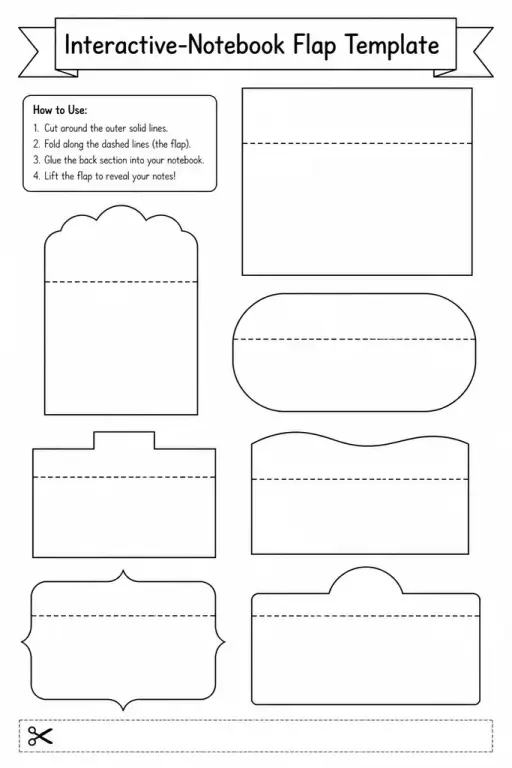
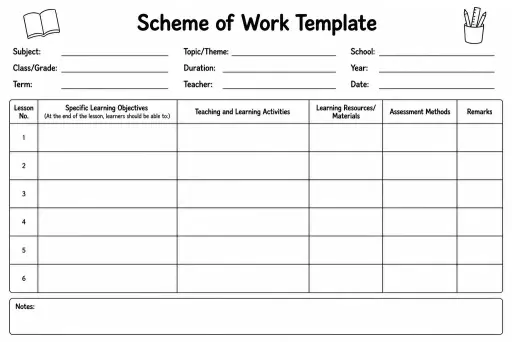
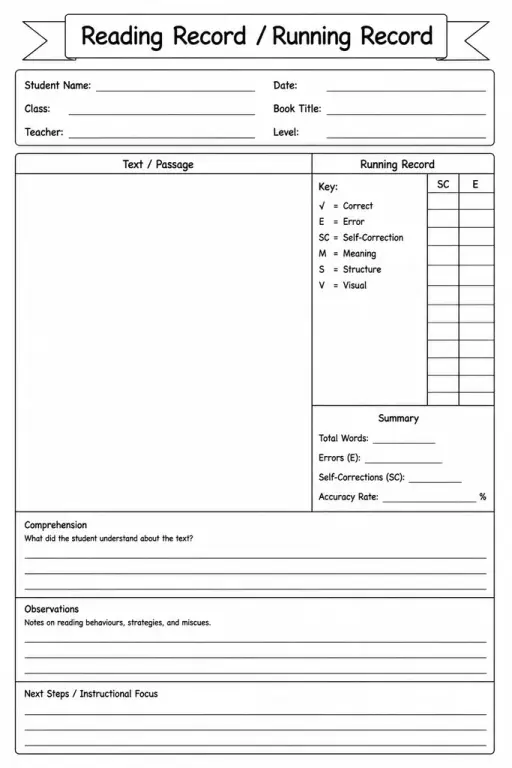
See what other teachers think and share a helpful note.
Generate a fresh worksheet for any grade, topic and language. Free.
 Home
Home All solutions
 Pricing
 About us
 KiwiBee for Non-profits
 Events & webinars
 For big organisations
 For schools
 For centers
 For team leaders
 For teachers
 AI and resources
 Resources
 Printable worksheets
 Lesson Packs
 Interactive simulations
 Teacher tools
 AI studio
 Ideas and research