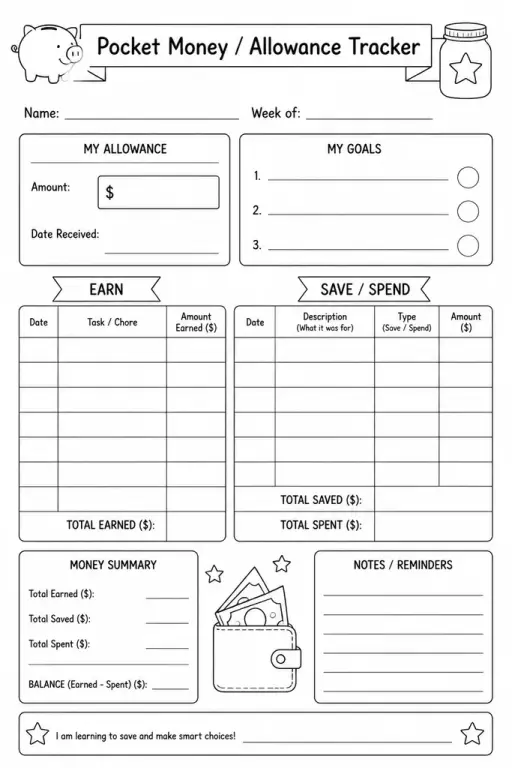
Pocket Money / Allowance Tracker
Parent & Home Printables
Ages 4–11
——
KiwiBee uses optional Google Analytics, Google Ads, and Meta Pixel cookies to understand adult visitors, measure completed sign-ups, and improve campaigns. Essential cookies always stay on. OpenAI’s ChatGPT Ads Pixel also measures page views and completed enquiries after advertising consent, and may use hashed contact details for matching. Privacy policy

The Anecdotal Notes Template is a page of dated blank observation boxes — typically six to nine per sheet — each sized to hold two to four sentences of handwritten or typed narrative about a pupil's learning behaviour, social interaction, or skill demonstration. Each box has a pre-ruled space for the date, the pupil's name, and the free-text observation itself, so records remain searchable and chronologically ordered without any extra filing system. Teachers, early-years practitioners, and specialist support staff use anecdotal notes to capture the kind of qualitative evidence that scores and ticks cannot: a breakthrough moment in reading, an unexpected mathematical strategy, a social interaction that signals emerging confidence. The blank template is intentionally unstructured beyond the date field, respecting the organic, in-the-moment nature of genuine observation.
There is no fixed target — even one specific, dated observation per week adds up to over 30 evidence points across a year. Focus on capturing moments that reveal thinking or growth rather than filling boxes for the sake of it.
Selectively, yes. Positive observations shared with a pupil can be very motivating. For parents, they make excellent concrete illustrations during consultations. Review each note for tone and objectivity before sharing.
An anecdotal note is typically brief, spontaneous, and pupil-focused — written in the moment to capture a specific behaviour or learning event. It is not a structured lesson evaluation or a tick against a criterion.
Yes, it is well suited to EYFS and nursery observation because the open box format mirrors the narrative observation style recommended in the EYFS statutory framework, without imposing a rigid structure on naturally unplanned moments.
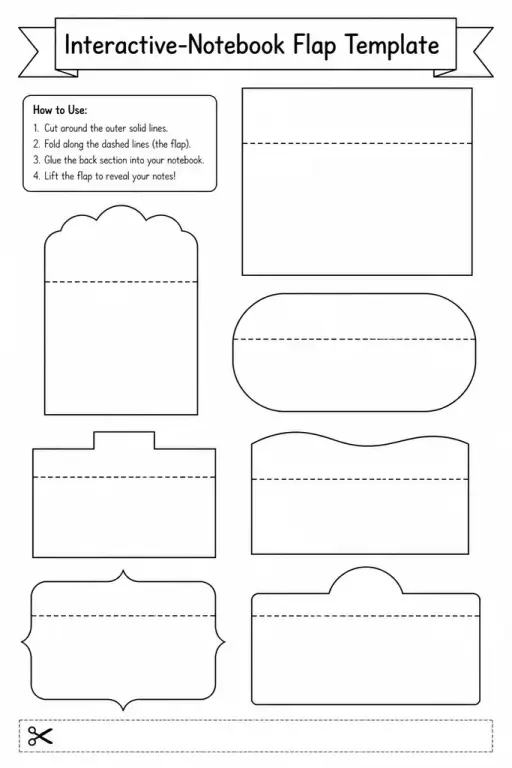
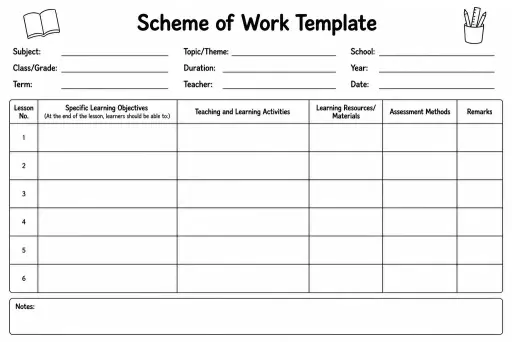
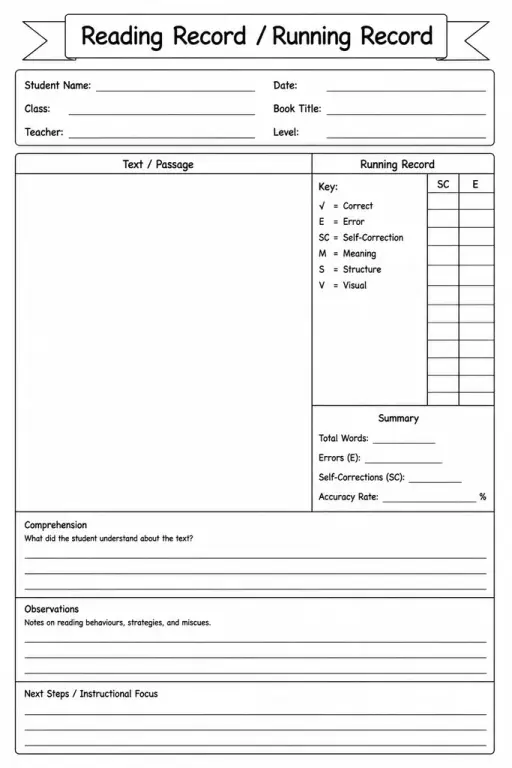
See what other teachers think and share a helpful note.
Generate a fresh worksheet for any grade, topic and language. Free.
 Home
Home All solutions
 Pricing
 About us
 KiwiBee for Non-profits
 Events & webinars
 For big organisations
 For schools
 For centers
 For team leaders
 For teachers
 AI and resources
 Resources
 Printable worksheets
 Lesson Packs
 Interactive simulations
 Teacher tools
 AI studio
 Ideas and research