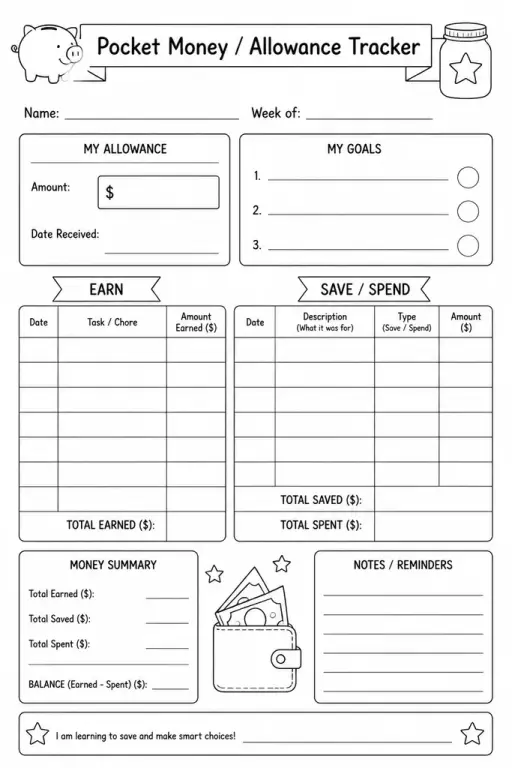
Pocket Money / Allowance Tracker
Parent & Home Printables
Ages 4–11
——
KiwiBee uses optional Google Analytics, Google Ads, and Meta Pixel cookies to understand adult visitors, measure completed sign-ups, and improve campaigns. Essential cookies always stay on. OpenAI’s ChatGPT Ads Pixel also measures page views and completed enquiries after advertising consent, and may use hashed contact details for matching. Privacy policy

The 5E Lesson Plan template structures an inquiry-based science lesson around five pedagogical phases: Engage, Explore, Explain, Elaborate, and Evaluate. Each phase has its own blank section where teachers record the activity, materials, guiding questions, and expected student responses. This scaffolded approach aligns with how students actually build conceptual understanding — beginning with curiosity, moving through hands-on investigation, arriving at explanation, deepening through application, and closing with evidence of learning. Science specialists, primary classroom teachers, and student teachers all reach for this template because the 5E structure is an explicit expectation in many national and state science curricula. It works for biology, chemistry, physics, earth science, and integrated STEM lessons at any grade level. The blank format means teachers write directly into each section without being locked into a single subject or year level.
The 5E model originated in science education, but teachers in maths, health, and social studies also apply it successfully. This template is labelled for science but the blank structure works across inquiry-based subjects.
A complete 5E cycle can fit a single 60–90 minute lesson or span multiple lessons across a week. The template does not prescribe timing, so you set the duration for each phase in the blank boxes.
Yes. The Engage and Explore phases are particularly natural for young learners who learn through play and hands-on investigation. The language in the Explain and Evaluate phases can be simplified for younger grades.
The lesson plan is a teacher planning document. Many teachers create a separate student recording sheet for the Explore phase and clip it behind this plan when filing.
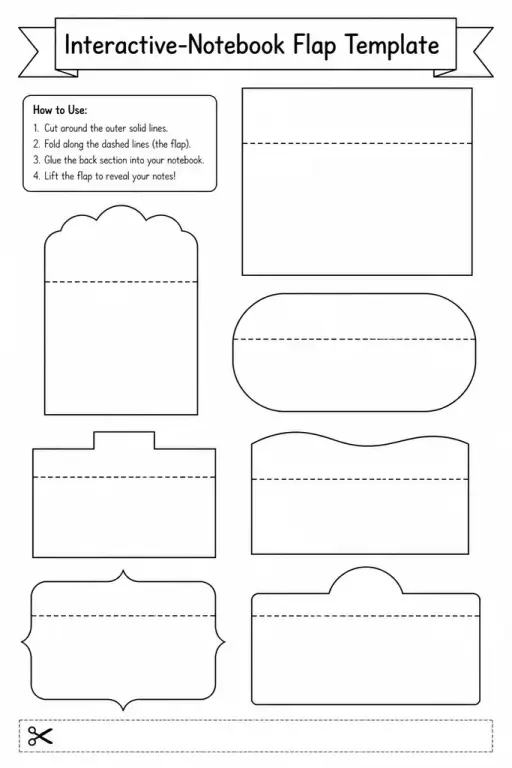
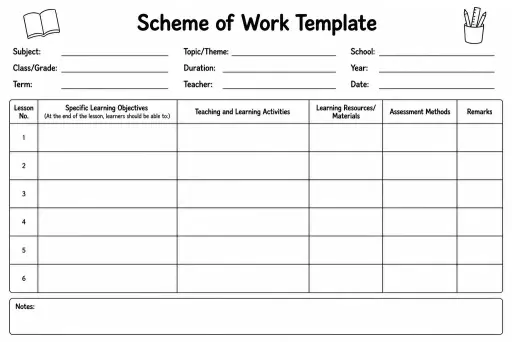
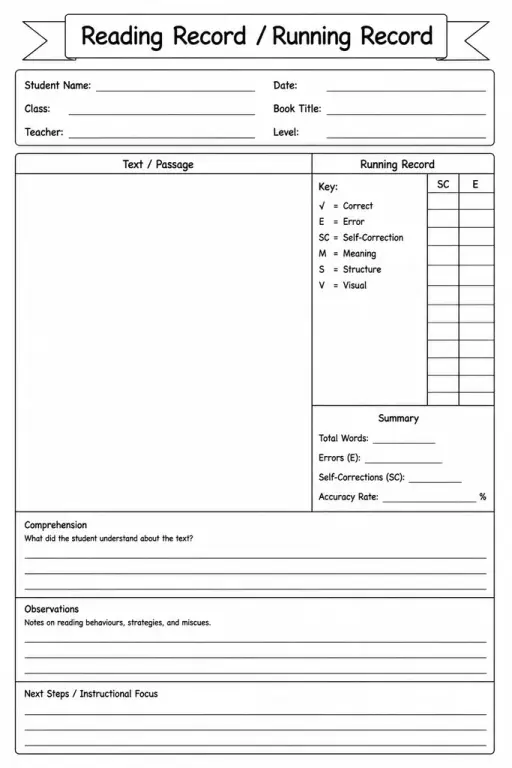
See what other teachers think and share a helpful note.
Generate a fresh worksheet for any grade, topic and language. Free.
 Home
Home All solutions
 Pricing
 About us
 KiwiBee for Non-profits
 Events & webinars
 For big organisations
 For schools
 For centers
 For team leaders
 For teachers
 AI and resources
 Resources
 Printable worksheets
 Lesson Packs
 Interactive simulations
 Teacher tools
 AI studio
 Ideas and research