
Explore an adult male reference body in 3D. Reveal 14 anatomical systems, search thousands of named structures, isolate organs, and pull 2,209 modeled pieces apart to see how the body is organized.
—
KiwiBee uses optional Google Analytics, Google Ads, and Meta Pixel cookies to understand adult visitors, measure completed sign-ups, and improve campaigns. Essential cookies always stay on. OpenAI’s ChatGPT Ads Pixel also measures page views and completed enquiries after advertising consent, and may use hashed contact details for matching. Privacy policy
Glacier & Ice Landforms is an interactive 3D earth-science simulation of alpine glaciation and glacial geomorphology. Students adjust winter snowfall, summer temperature, and valley slope to control the glacier's net mass balance in meters of water equivalent per year. Even when warm summers cause the glacier terminus to retreat up-valley, internal velocity vectors and plucked bedrock boulders demonstrate that glacial ice continues flowing downhill like a conveyor belt under gravity. Students can drag the terminus beacon or Equilibrium Line Altitude (ELA) handle directly in 3D space and click landforms including the cirque basin, U-shaped trough, lateral moraines, and terminal moraine arch.
No. Ice always flows downhill under its own weight via Glen's flow law. A glacier retreats when summer melting at the lower snout removes ice faster than downhill flow can replenish it, much like an escalator moving down while its bottom step melts away.
The Equilibrium Line Altitude is the elevation on a glacier where annual winter snow accumulation exactly equals annual summer snow and ice melt (ablation). Above the ELA the glacier gains mass; below the ELA it loses mass.
As a glacier grinds down a valley, it plucks boulders from the bedrock and scrapes debris from the valley walls. Debris along the edges forms lateral moraines, and rock dumped at the snout as the ice melts forms a curved terminal moraine ridge.
Rivers cut narrow V-shaped channels at the valley floor, whereas a thick tongue of glacial ice fills the entire valley cross-section, abrading and widening both the floor and steep side walls into a wide U-shaped trough.
Drop it into your LMS, blog, or class site — free.
<iframe src="https://kiwibee.io/en/simulations/glacier-mass-balance-landforms-3d-simulation/embed" title="Glacier & Ice Landforms | KiwiBee" loading="lazy" allowfullscreen style="width:100%;height:min(70vh,620px);min-height:420px;border:0;border-radius:16px"></iframe>Continue exploring
Explore an adult male reference body in 3D. Reveal 14 anatomical systems, search thousands of named structures, isolate organs, and pull 2,209 modeled pieces apart to see how the body is organized.

Explore the head and neck in 3D: 643 source meshes across 14 layers, 47 facial and masticatory muscles, and 77 drawn nerves, vessels and glands the source scan omits. Open any tooth onto its own pulp canal, and follow the seven stages of tooth development.

Free interactive photosynthesis simulation. Explore photosynthesis hands-on online — great for whole-class or independent practice.

Free interactive states of matter simulation. Explore states of matter hands-on online — great for whole-class or independent practice.

Free interactive shadows simulation. Explore shadows hands-on online — great for whole-class or independent practice.
From model to evidence
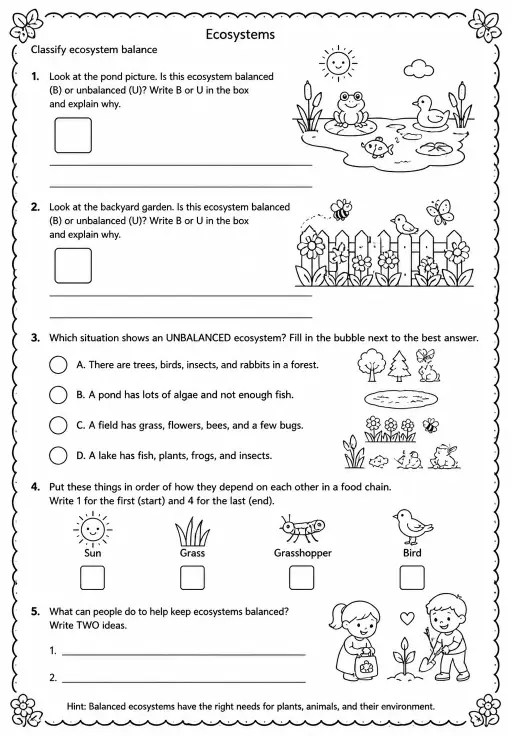
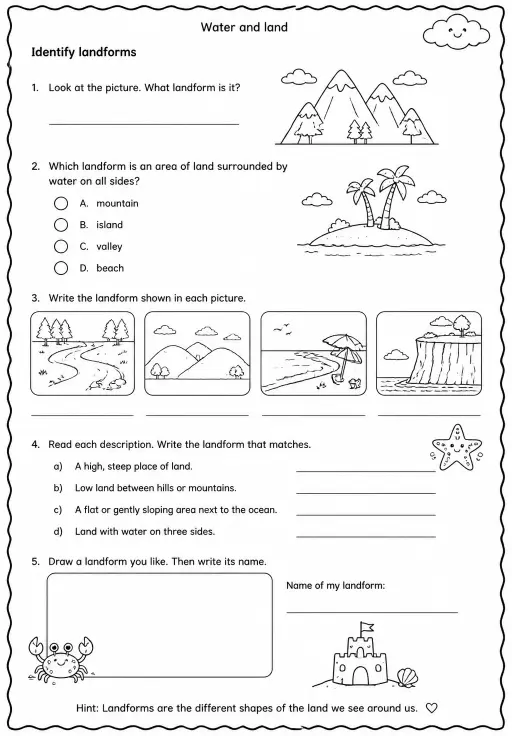
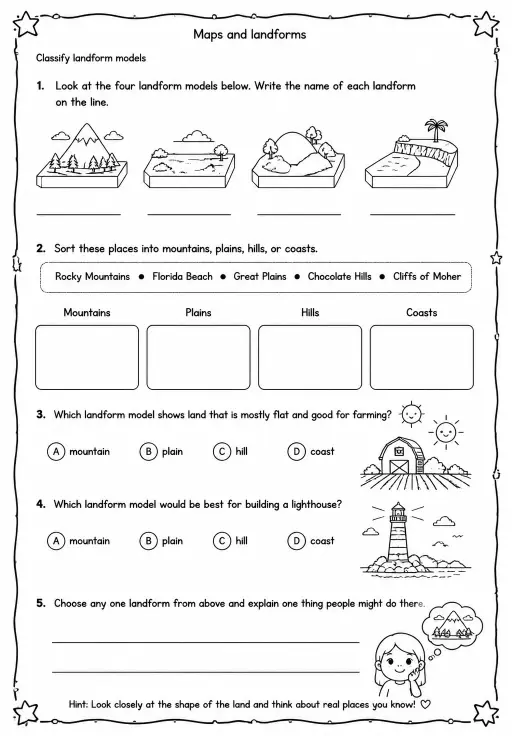
Use a worksheet to capture predictions, observations, and explanations after students explore.
KiwiBee's free teacher workspace brings lesson planning, worksheets, classroom tools, and gradebook together in one place.
Start free and create your first class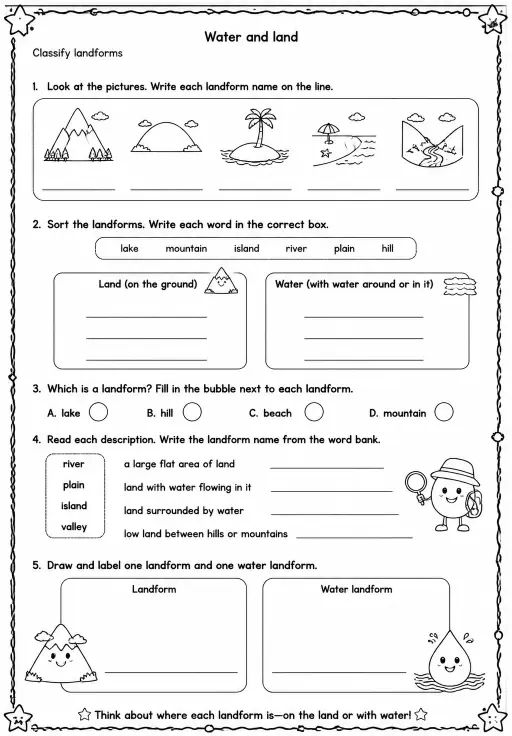
 Home
 All solutions
 Pricing
 About us
 KiwiBee for Non-profits
 Events & webinars
 For big organisations
 For schools
 For centers
 For team leaders
 For teachers
 AI and resources
 Resources
 Printable worksheets
 Lesson Packs
 Interactive simulations
 Teacher tools
 AI studio
 Ideas and research