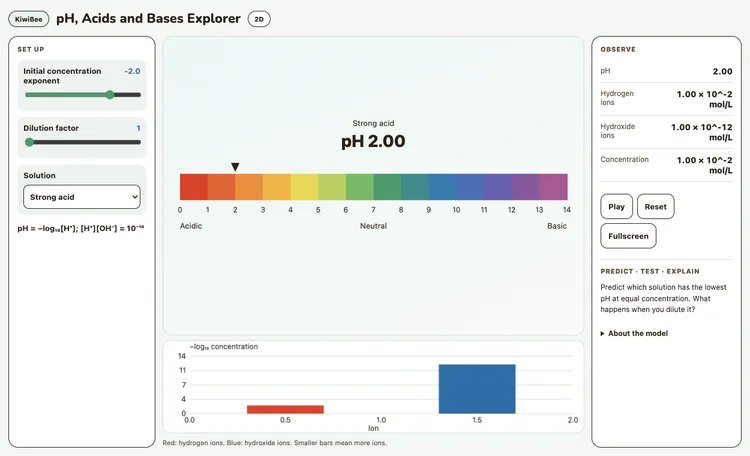
Compare strong and weak acids and bases at equal concentration. Dilute them and inspect hydrogen and hydroxide ions.
—
KiwiBee uses optional Google Analytics, Google Ads, and Meta Pixel cookies to understand adult visitors, measure completed sign-ups, and improve campaigns. Essential cookies always stay on. OpenAI’s ChatGPT Ads Pixel also measures page views and completed enquiries after advertising consent, and may use hashed contact details for matching. Privacy policy
This simulation links the pH scale to the particles in a solution. Students slide the pH between 0 and 14 and see the balance of hydrogen ions and hydroxide ions change, with grey spectator ions keeping the charge balanced. Agitation changes how fast the particles move and a toggle hides the spectators. Readouts give the pH, the true concentration of H+ and OH- and whether the solution is acidic, neutral or basic. It is useful for teaching that each pH step is a tenfold change and that the two ion concentrations multiply to a constant.
Yes. It is free to use in any modern browser, including tablets and interactive whiteboards, and requires no sign-up.
pH is the negative base-10 logarithm of the hydrogen ion concentration. A pH of 3 means [H+] is 0.001 mol per litre, which is ten times more than at pH 4.
In water at 25 degrees Celsius the product [H+] times [OH-] is always 1.0 times 10 to the minus 14. When one goes up the other must go down, and at pH 7 they are equal.
Drag the pH slider and watch the particles and readouts update. Use Agitation to change particle speed and the Spectator ions toggle to show or hide the other ions.
Drop it into your LMS, blog, or class site — free.
<iframe src="https://kiwibee.io/en/simulations/acid-base-3d-simulation/embed" title="Acids and Bases | KiwiBee" loading="lazy" allowfullscreen style="width:100%;height:min(70vh,620px);min-height:420px;border:0;border-radius:16px"></iframe>Continue exploring
Compare strong and weak acids and bases at equal concentration. Dilute them and inspect hydrogen and hydroxide ions.
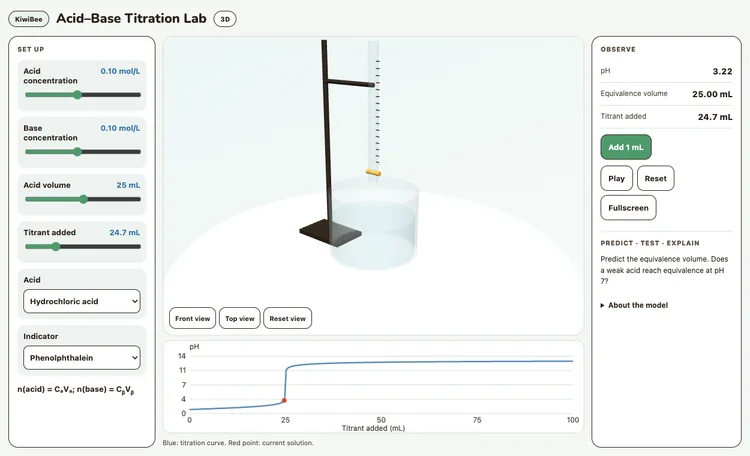
Add sodium hydroxide to hydrochloric or acetic acid. Compare the titration curve, indicator colour and equivalence volume.
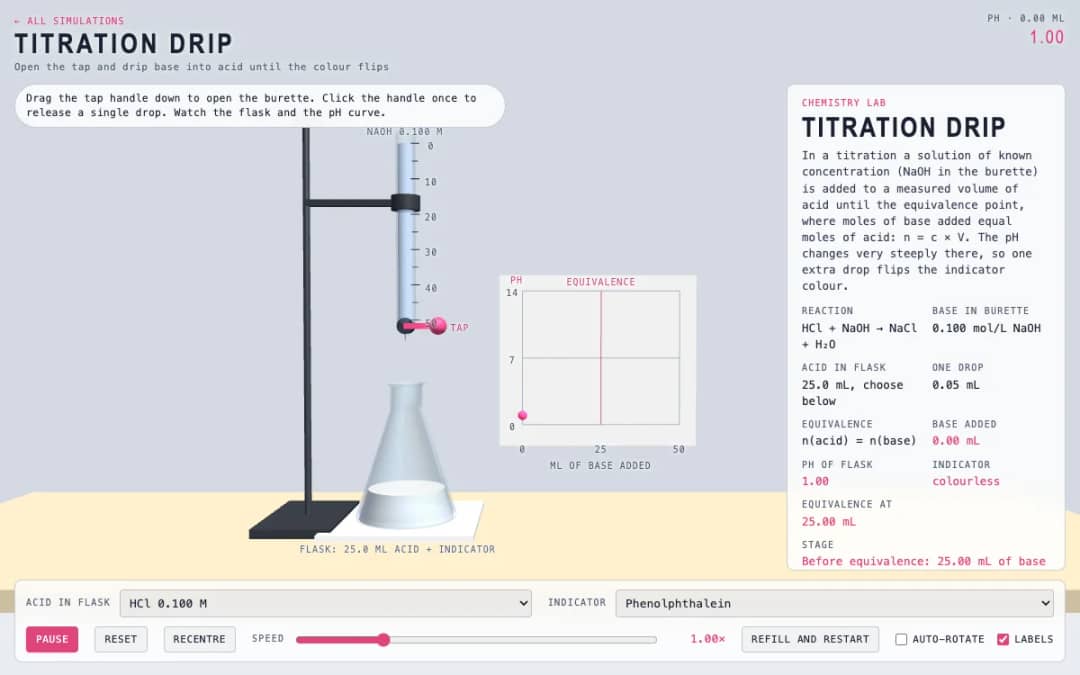
Run a virtual titration. Drag the burette tap to drip sodium hydroxide into an acid, click for single drops, pick the acid and indicator, and watch the flask colour and pH change sharply at the equivalence point.
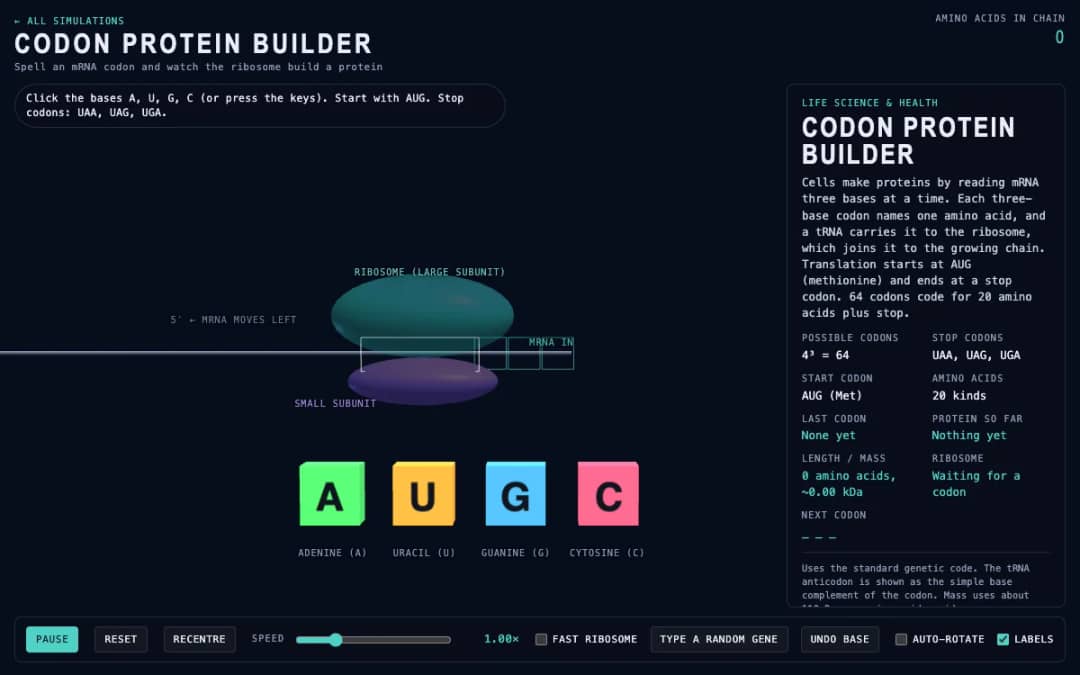
A ribosome reads an mRNA strand that students build one base at a time. Each three-base codon brings a tRNA and adds an amino acid until a stop codon ends the protein.

Explore an adult male reference body in 3D. Reveal 14 anatomical systems, search thousands of named structures, isolate organs, and pull 2,209 modeled pieces apart to see how the body is organized.
From model to evidence
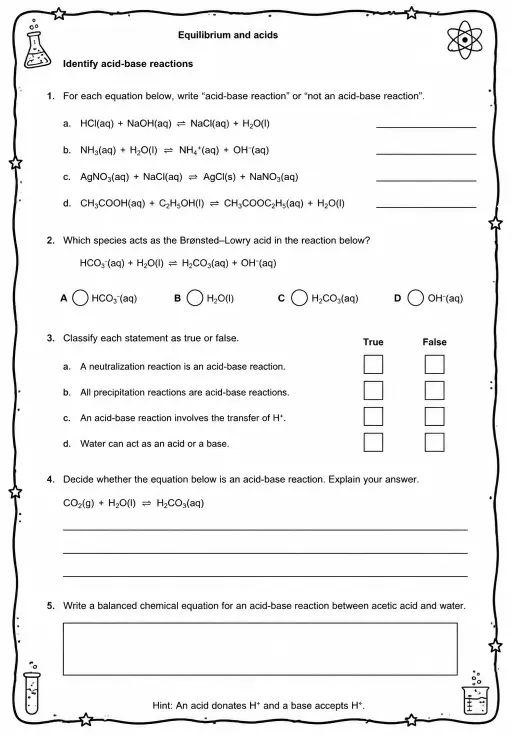
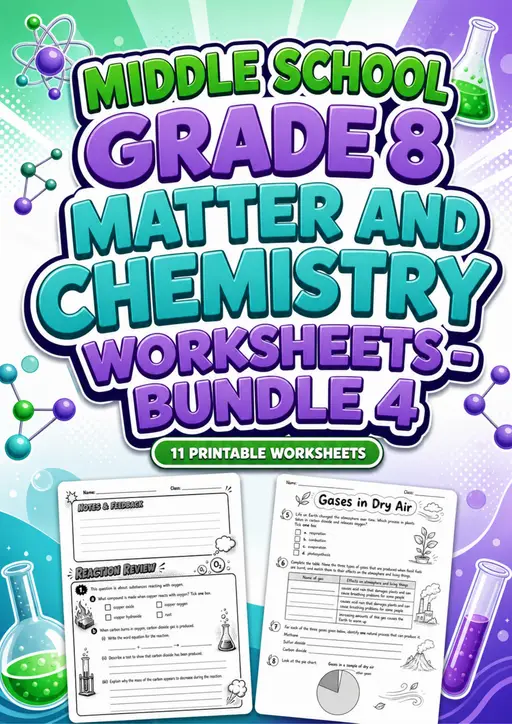
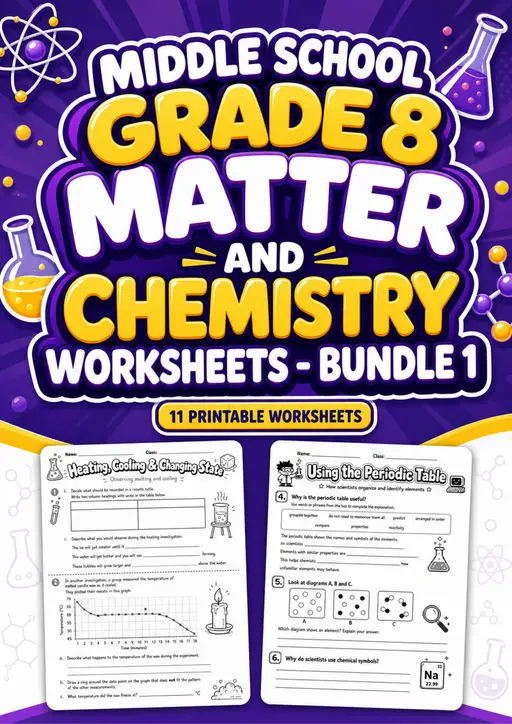
Use a worksheet to capture predictions, observations, and explanations after students explore.
KiwiBee's free teacher workspace brings lesson planning, worksheets, classroom tools, and gradebook together in one place.
Start free and create your first class Home
 All solutions
 Pricing
 About us
 KiwiBee for Non-profits
 Events & webinars
 For big organisations
 For schools
 For centers
 For team leaders
 For teachers
 AI and resources
 Resources
 Printable worksheets
 Lesson Packs
 Interactive simulations
 Teacher tools
 AI studio
 Ideas and research