Printable template
Picture Dictionary Template
Image box plus word line.
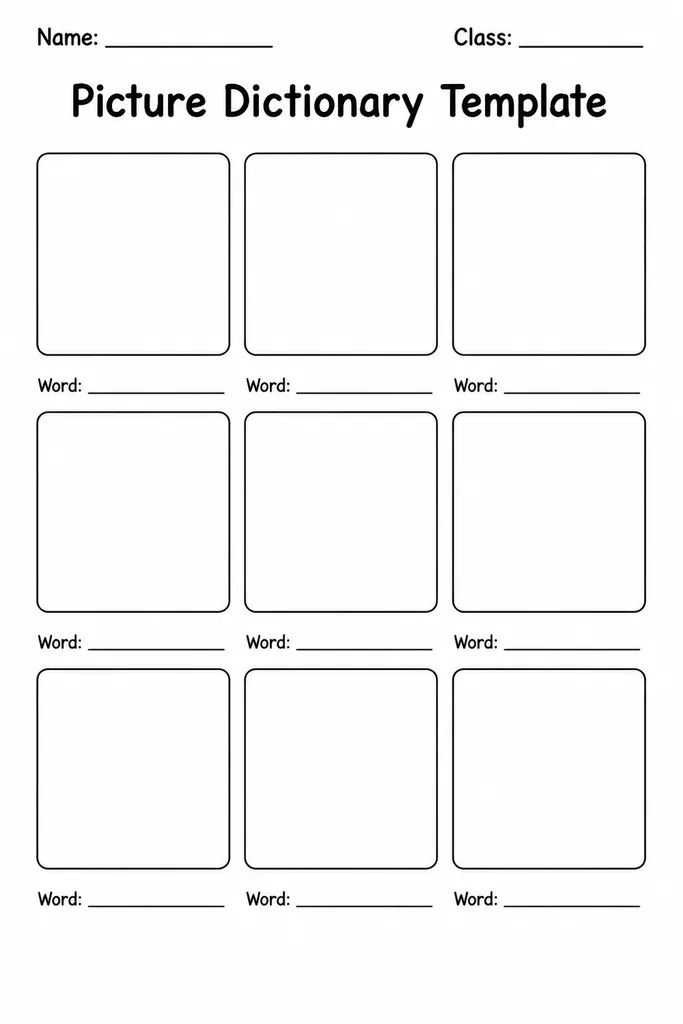
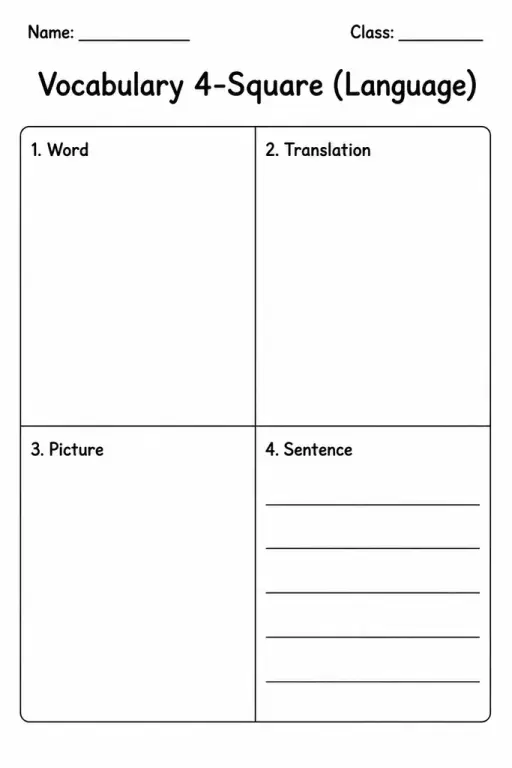
The Picture Dictionary Template pairs a large blank image box with a word line beneath it, giving Spanish learners in Kindergarten through Grade 6 a simple, visual way to anchor new vocabulary. Students draw or glue a picture of the concept in the box, then write the Spanish word on the line below. Multiple entries fit on a single sheet, so a class can build a themed mini-dictionary—fruits, animals, classroom objects—within a single lesson period. The visual-first layout is especially effective for early language learners and visual learners who remember a word more reliably when it is linked to a self-drawn image. Teachers use blank copies for individual word work, whole-class word walls, or take-home vocabulary practise. Parents find the finished sheets a useful conversation starter: pointing to pictures together at home extends Spanish exposure well beyond the classroom.
Learning objectives
- Pair Spanish vocabulary words with clear visual representations
- Strengthen word recall through drawing and labelling
- Build an illustrated personal dictionary for reference
- Support early and visual learners in second-language acquisition
- Develop print awareness and handwriting in Spanish
How to use this template
- Print the template on letter or A4 paper—one sheet provides multiple entry slots.
- Assign a theme or unit (e.g., colours, farm animals, body parts) before students begin.
- Students draw a picture in each box that represents the Spanish word they want to record.
- Write the Spanish word clearly on the line beneath each image box.
- Compile completed sheets into a personal folder or staple into a booklet for ongoing reference.
Classroom & home ideas
- Kick off a new unit by having students illustrate the six most important words before any instruction—activates prior knowledge visually.
- Create a class word wall by cutting out individual entries and arranging them alphabetically on a bulletin board.
- Have students swap sheets with a partner and try to guess each other's words from the pictures alone—great speaking prompt.
- Use as a centre activity: place picture cards face-down, students draw one and both sketch and label it on their template.
- Send home as holiday vocabulary homework—children interview a family member to find the word in a heritage language and add it as a bonus label.
Skills practised
Frequently asked questions
How many entries fit on one sheet?
The standard layout holds six to eight entries per sheet. A smaller version with nine boxes is available for units with larger word lists.
Can students paste images instead of drawing?
Yes. Cutting pictures from magazines or printing small images online and gluing them in the box works just as well, especially for abstract concepts like emotions.
Is this template useful for non-Spanish language classes?
The design is language-neutral. French, Mandarin, or any other second-language class can use it with equal benefit—just write in the target language on the word line.
How do I differentiate for Kindergarten versus Grade 6?
For kindergarteners, pre-print the Spanish word and have them draw the picture only. Grade 5–6 students write the word, add a definition line, and compose a short sentence from memory.
Likes & comments
See what other teachers think and share a helpful note.
Create more worksheets in our Worksheet Studio
Generate fresh worksheets for any grade, topic, and language — free.
Open the Worksheet StudioRelated worksheets
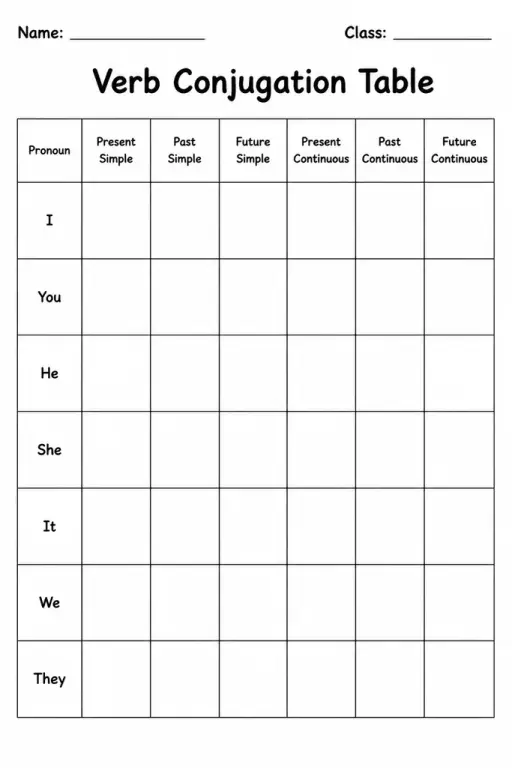
Verb Conjugation Table
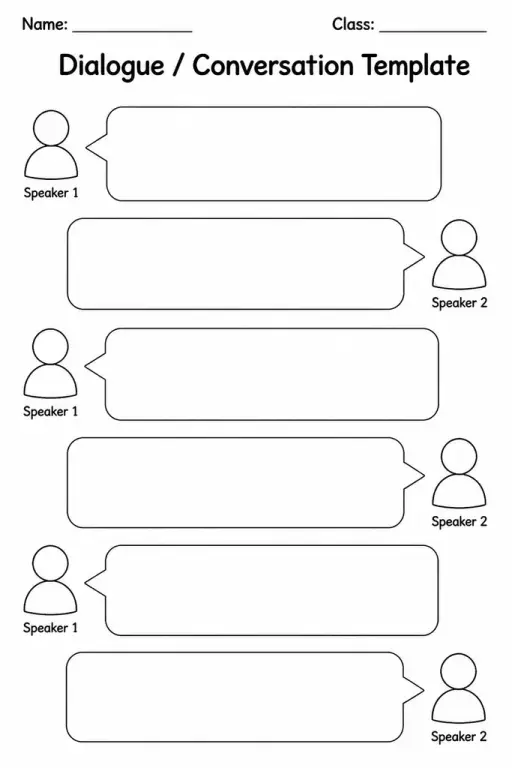
Dialogue / Conversation Template
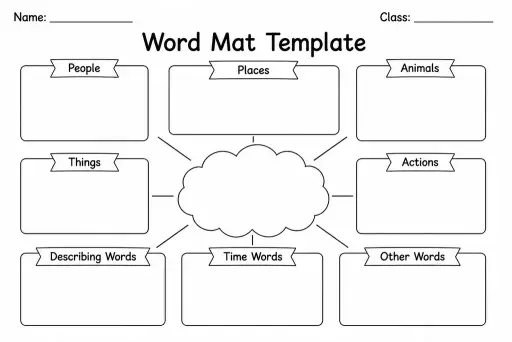
Word Mat Template
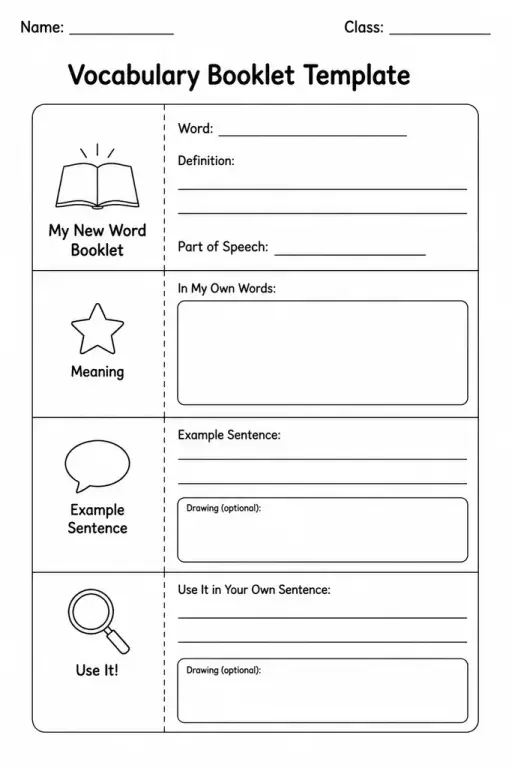
Vocabulary Booklet Template
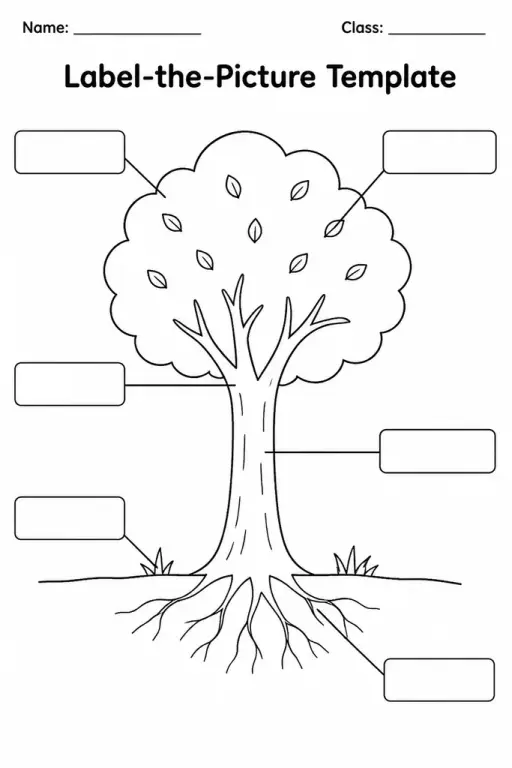
Label-the-Picture Template
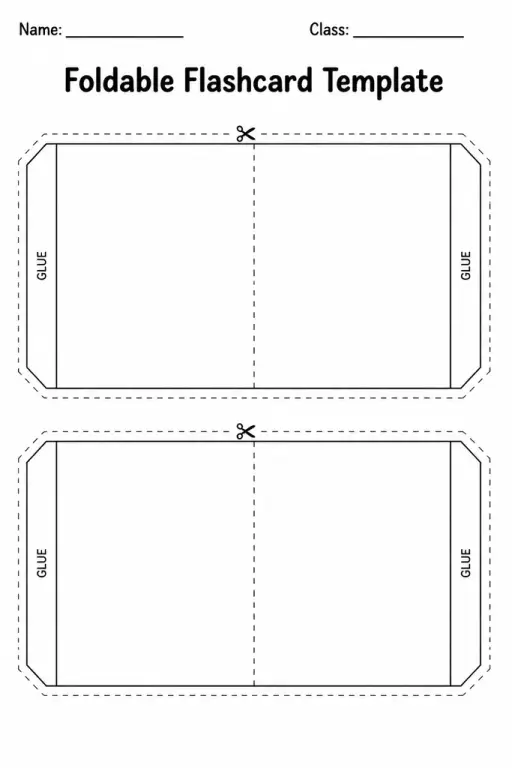
Foldable Flashcard Template
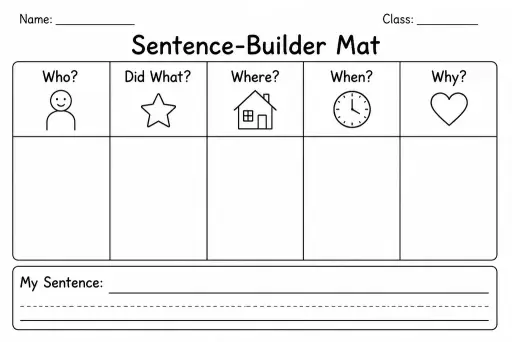
Sentence-Builder Mat
 For big organisations
 For schools
 For centers
 For team leaders
 For teachers
 AI and resources
 Printable worksheets
 Interactive simulations
 Teacher tools
 AI studio
 Ideas and research