Printable template
Dialogue / Conversation Template
Blank speech-turn frame.
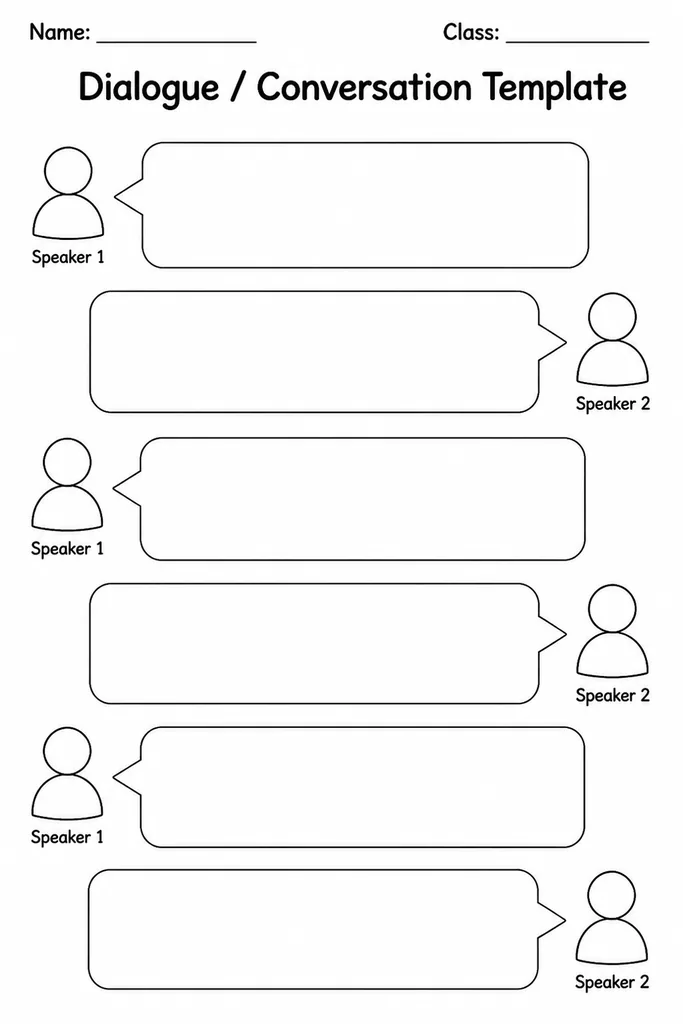
The Dialogue / Conversation Template provides a blank speech-turn frame for Spanish students in Grades 3–8 to write structured two-person exchanges. Alternating labelled speech bubbles or turn lines guide students to craft a complete conversation—greeting, exchange, and closing—without losing track of who is speaking. Each turn has a speaker label and a writing line, so the visual flow of a real dialogue is immediately clear on the page. Roleplay and scripted conversation are among the most effective routes to oral fluency, and this template scaffolds the written preparation that makes confident speaking possible. Teachers assign it before partner roleplay activities, use it as a writing task after a grammar lesson on question forms, or hand it out during a cultural unit where students script a conversation set in a Spanish-speaking country. The finished dialogue can also be read aloud, submitted as an assessment, or performed for the class.
Learning objectives
- Compose a structured Spanish dialogue with correct turn-taking
- Practise question formation and appropriate responses
- Apply vocabulary and grammar from the current unit in context
- Prepare written scripts for oral speaking and roleplay tasks
- Develop awareness of conversational register and social context
How to use this template
- Print one template per student pair or per individual student writing both roles.
- Label the two speakers at the top—characters, names, or roles such as Student A and Student B.
- Write the opening line in the first turn, then alternate turns to build a natural exchange.
- Include a greeting, at least two to three content exchanges, and a closing farewell.
- Review the completed dialogue for grammar and vocabulary accuracy before reading it aloud with a partner.
Classroom & home ideas
- After a lesson on greetings, assign students to script a café conversation and then perform it at their seats using only their written dialogue.
- Use as a formative assessment: collect completed templates after a unit to check students' ability to use target grammar structures in realistic exchanges.
- Run a 'voice dub' activity—students record themselves reading the dialogue aloud, then listen back to catch pronunciation errors.
- Assign cross-cultural dialogues: one speaker is a student visiting Spain, the other is a local—students research culturally appropriate phrases to include.
- Create a class anthology by binding printed dialogue templates into a 'Spanish Conversation Book' that new students can read for models.
Skills practised
Frequently asked questions
How many turns does the template include?
The standard template has eight turns (four per speaker), which is enough for a brief but complete conversation. Teachers can print two sheets back-to-back for longer exchanges.
Can one student write both speaking roles?
Yes, and this is a common solo writing task. The student takes on both perspectives, which requires thinking about how a conversation flows naturally in Spanish.
Is this template useful for formal Spanish assessments?
It maps directly to written dialogue tasks found on middle-school Spanish tests. Practising with the template format familiarises students with the layout before an exam.
Can this be adapted for a three-person conversation?
Add a third speaker label and use an extra line between turns. For classroom simplicity, colour-coding each speaker's turns makes the exchange easy to follow.
Likes & comments
See what other teachers think and share a helpful note.
Create more worksheets in our Worksheet Studio
Generate fresh worksheets for any grade, topic, and language — free.
Open the Worksheet StudioRelated worksheets
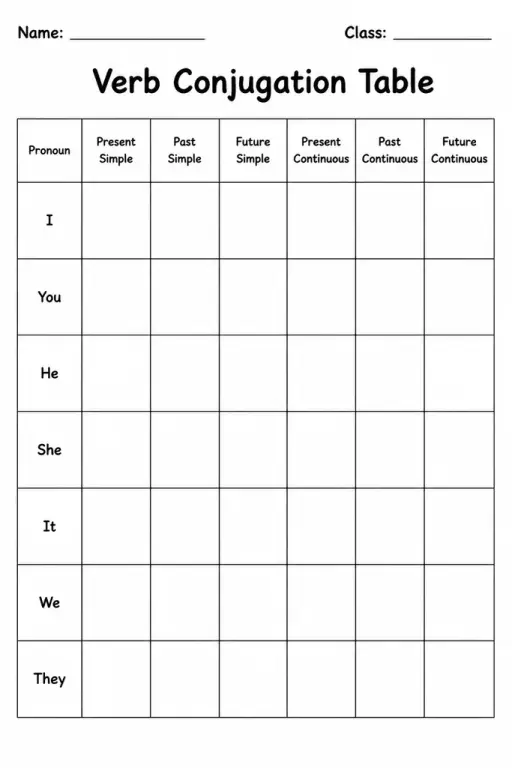
Verb Conjugation Table
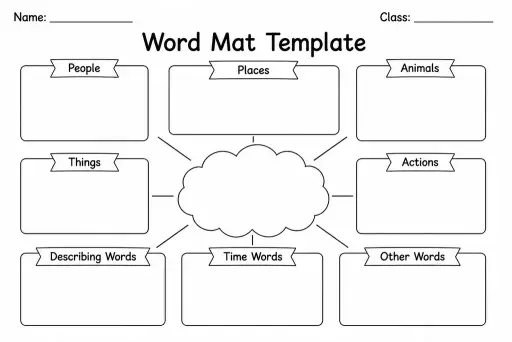
Word Mat Template
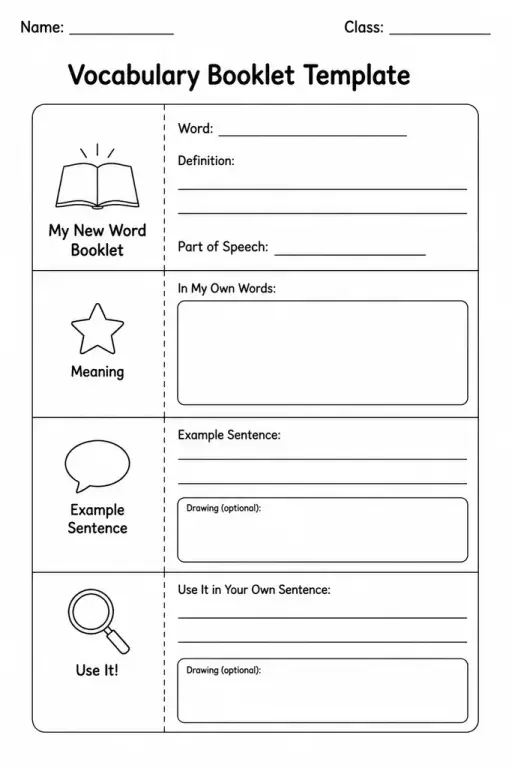
Vocabulary Booklet Template
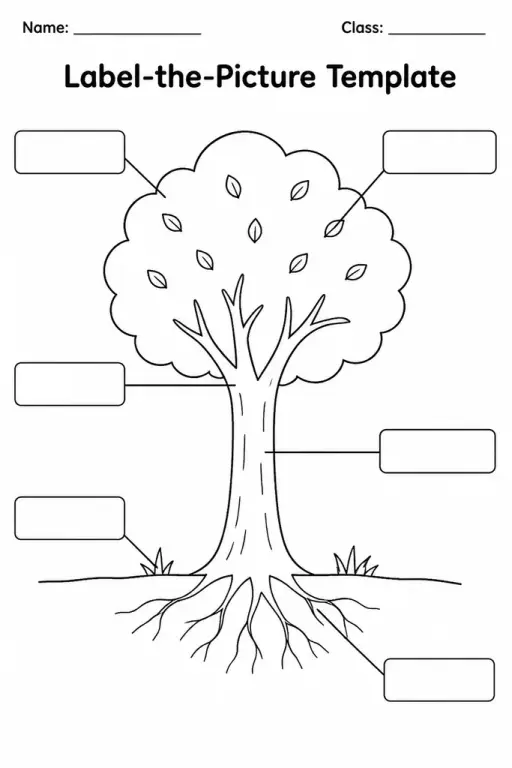
Label-the-Picture Template
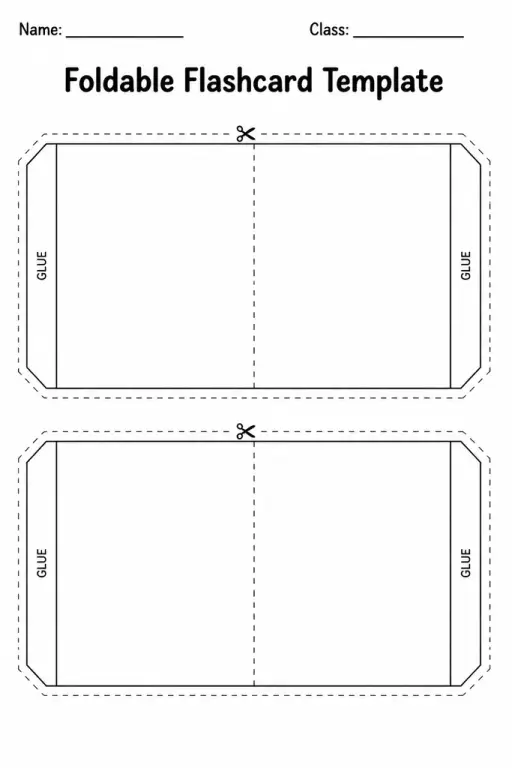
Foldable Flashcard Template
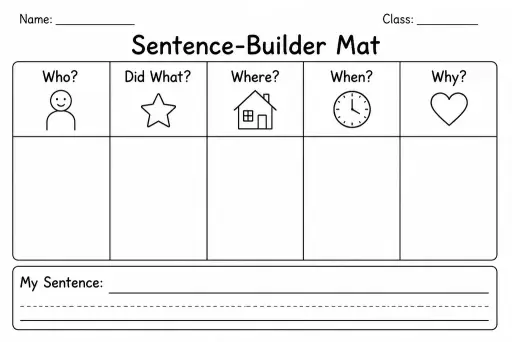
Sentence-Builder Mat
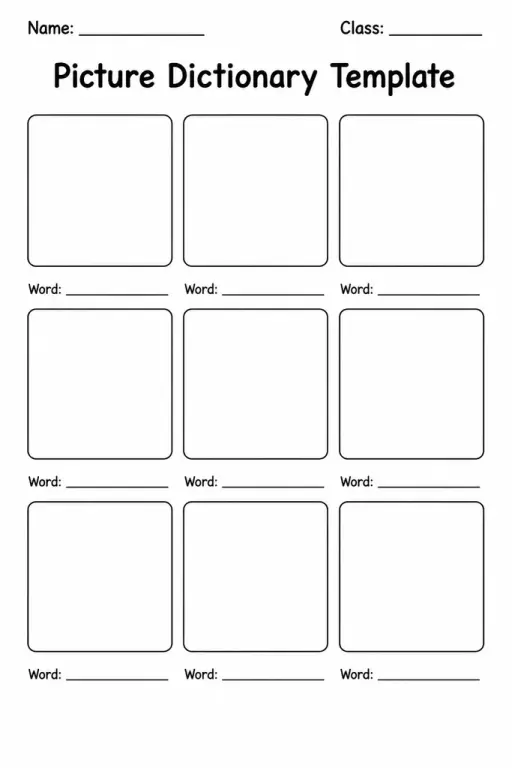
Picture Dictionary Template
 For big organisations
 For schools
 For centers
 For team leaders
 For teachers
 AI and resources
 Printable worksheets
 Interactive simulations
 Teacher tools
 AI studio
 Ideas and research