How Can Students Actually Remember the Classroom Rules?
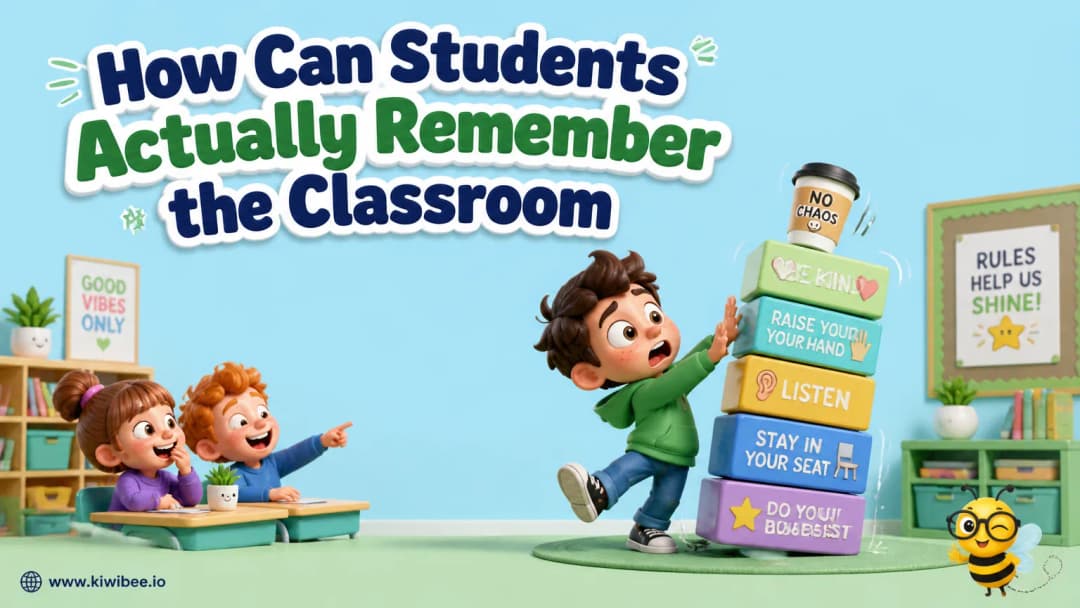
If you have to number your classroom rules, students have already forgotten them. Here's how to build a short, memorable set that actually changes behaviour.
Cộng đồng Giáo dục
Ý tưởng, nghiên cứu, kỹ thuật giảng dạy và tài nguyên cho giáo viên K-12.
165 bài viết
Chia sẻ, suy ngẫm và tài nguyên giảng dạy mới nhất.
Trang 3 / 7

If you have to number your classroom rules, students have already forgotten them. Here's how to build a short, memorable set that actually changes behaviour.

Five fun timers that keep primary classes focused — from the ClassDojo and Siri timers to the Mission Impossible, bomb, and volcano countdowns.

AR is the most underused tool in most classrooms. Here's how I use the Merge Cube, 360-degree virtual field trips, and AR measuring tools to hook students.

From auto-drafting reports to building 4x4 pair-work mats and vocabulary colouring books, here are seven AI uses that save English teachers real time.

The question parents ask me most is which free app to use at home. Here's why I point them to Khan Academy Kids — phonics, maths, reading, and more, all free.

The letter 'a' reveals whether a font is right for handwriting. Here's why I teach with KG Primary Penmanship — and how to set it up in Canva or PowerPoint.

Six cheap, low-tech items I refuse to teach kindergarten and primary without — from self-inking stamps to a wheeled suitcase and a trusty bell.

An honest 2026 answer on whether ChatGPT is safe for students — OpenAI's age policies, district considerations, privacy realities, content-filtering limits, and the safer alternatives (ChatGPT Edu, Khanmigo, School AI).

A teacher's classroom strategy guide for ChatGPT — AI literacy as a curriculum thread, prompt-design as a 21st-century skill, citation conventions, and assignment design that actually works in an AI-saturated world.

An honest look at ChatGPT for grading — what it does well (rubric feedback, paraphrasing comments, error-pattern summaries), what it does poorly, and the FERPA implications most teachers don't realize they're triggering.

An honest, parent-and-teacher-friendly walkthrough of how ClassDojo works for students — dojo points, monsters, Class Story, parent invites, and what's free vs paid in 2026.

A teacher-to-teacher walkthrough of ClassDojo in 2026 — setup time, the dojo-points system, Class Story photo feed, free vs paid features, and honest scenarios where simpler free tools work better.

An honest, teacher-tested workflow for writing lesson plans with ChatGPT — what to prompt for, how to iterate, and what to never trust ChatGPT to handle. Plus the line where a teacher-specific tool wins.

A copy-paste library of 25 ChatGPT prompts teachers actually use — for lesson plans, differentiation, rubrics, IEP paraphrasing, classroom culture, and tough parent emails.

The complete back-to-school checklist for teachers in 2026 — classroom setup, tech tools, routines, and the first-week game plan.

A no-BS comparison of every classroom timer app worth using in 2026 — features, pricing, and what teachers actually think.

ClassDojo keeps paywalling features. Here are 5 free alternatives that give you timers, noise meters, behavior tracking, and more — without paying.

Do visual timers work better than digital countdowns? Here's what the research says — and when to use each type.

ClassDojo markets itself as free, but premium features keep expanding. Here's what's actually free, what costs money, and what alternatives exist.

Forget the Pinterest boards. These classroom management strategies come from real teachers who tested, failed, iterated, and finally found what works in modern classrooms.

The first 10 minutes set the tone. Here's how to make them calm, structured, and productive — every single day.

Your behavior plan worked in September. By November it's useless. Here's why, and what to do about it.

Honest review of Nearpod for teachers — what it does well, where it falls short, and three alternatives worth trying.

Honest review of Quizlet for teachers — what it does well, where it falls short, and three alternatives worth trying.