
About this simulation
Photosynthesis 3D Lab is an interactive 3D model of a plant in a soil cross-section. Students orbit and zoom the scene, set the amount of light, carbon dioxide, water and temperature, and watch photons, CO₂ molecules, water, oxygen bubbles and sugar move through the plant at rates set by the real limiting-factor relationship: the scarcest input, scaled by how well the enzymes work at that temperature, sets the speed. Respiration is included, so in the dark the plant runs at a loss.
What students can explore
- Slide the light down to night and watch photosynthesis stop while respiration carries on.
- Starve the plant of water and see the leaves droop while the rate collapses.
- Raise a plentiful input and notice that nothing changes: only the limiting factor matters.
- Push the temperature past the enzymes' optimum and watch the rate fall away.
- Use Look closer to fly in to the leaf where the gases are exchanged.
Learning objectives
- 1State the word equation and balanced equation for photosynthesis.
- 2Identify the limiting factor from a set of conditions and justify the answer.
- 3Explain why a plant releases oxygen and stores sugar, and why respiration can make the net gain negative.
Questions teachers ask
Is Photosynthesis 3D Lab free to use?
Yes. It runs in any modern browser with no sign-up or download.
What model sets the photosynthesis rate?
The rate is the smallest of light, carbon dioxide and water, multiplied by an enzyme factor that peaks near 25 °C and falls away when it is much colder or hotter. It is a teaching model of limiting factors, not a measurement of any particular species.
Does it work on a phone?
Yes. Drag to orbit, pinch to zoom, and use the controls below the scene. A 2D version, the Photosynthesis Lab, is also available for slower devices.
Embed this simulation
Drop it into your LMS, blog, or class site — free.
<iframe src="https://kiwibee.io/en/simulations/photosynthesis-3d-simulation/embed" title="Photosynthesis 3D Lab | KiwiBee" loading="lazy" allowfullscreen style="width:100%;height:min(70vh,620px);min-height:420px;border:0;border-radius:16px"></iframe>Continue exploring
More interactive science models
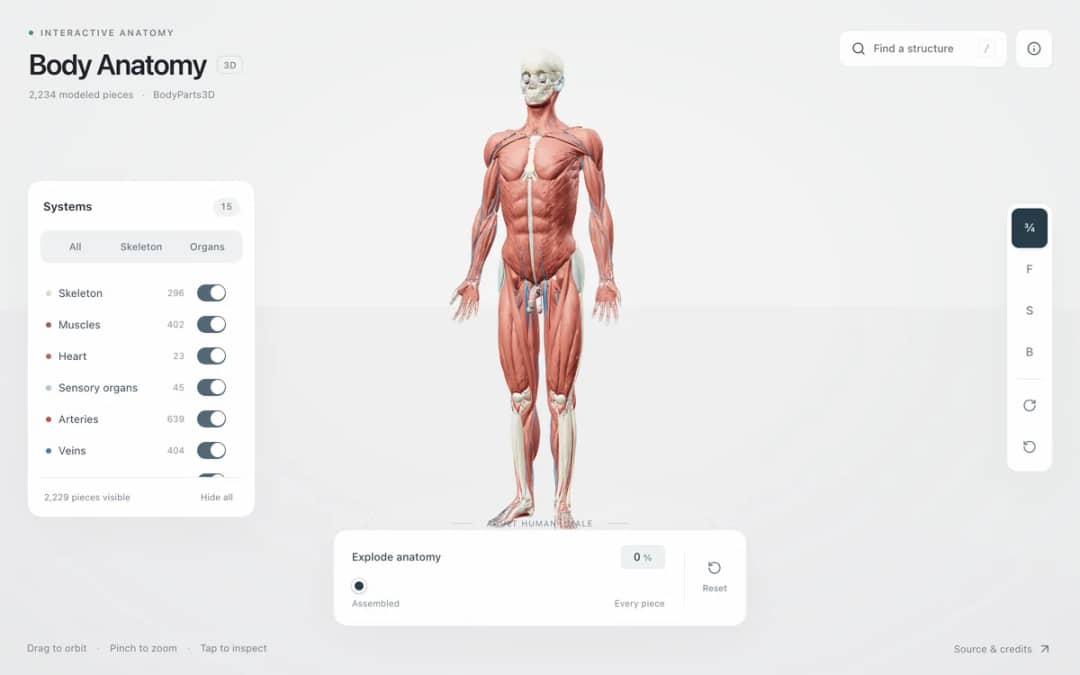
Explore an adult male reference body in 3D. Reveal 14 anatomical systems, search thousands of named structures, isolate organs, and pull 2,209 modeled pieces apart to see how the body is organized.
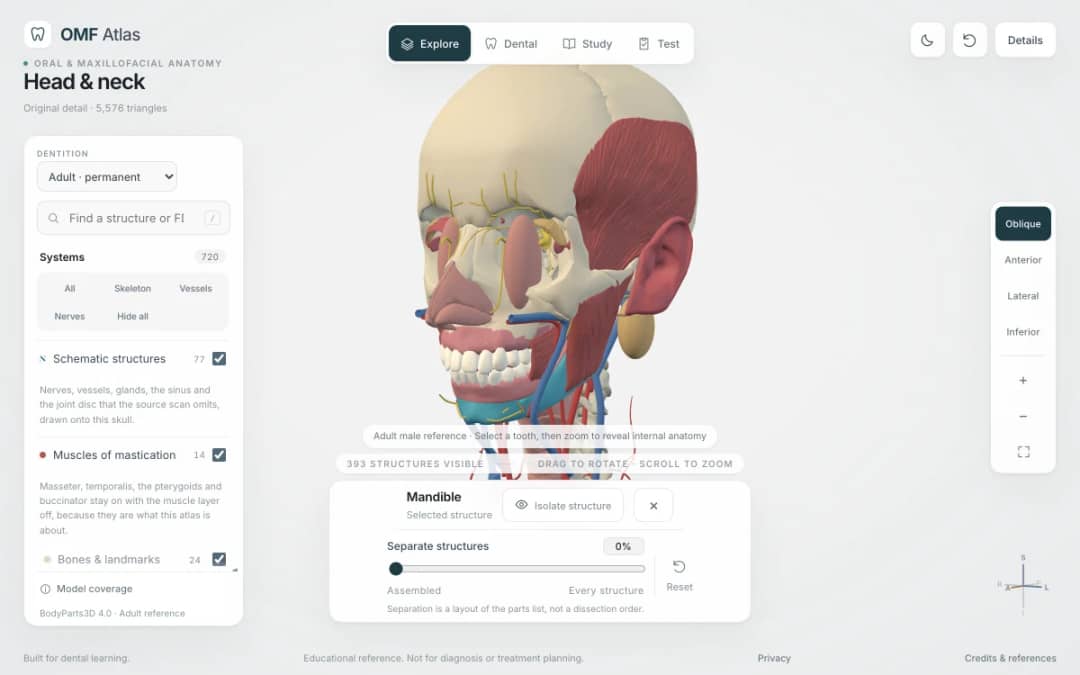
Explore the head and neck in 3D: 643 source meshes across 14 layers, 47 facial and masticatory muscles, and 77 drawn nerves, vessels and glands the source scan omits. Open any tooth onto its own pulp canal, and follow the seven stages of tooth development.

Free interactive photosynthesis simulation. Explore photosynthesis hands-on online — great for whole-class or independent practice.

Free interactive states of matter simulation. Explore states of matter hands-on online — great for whole-class or independent practice.

Free interactive shadows simulation. Explore shadows hands-on online — great for whole-class or independent practice.
From model to evidence
Pair this simulation with a printable
Use a worksheet to capture predictions, observations, and explanations after students explore.
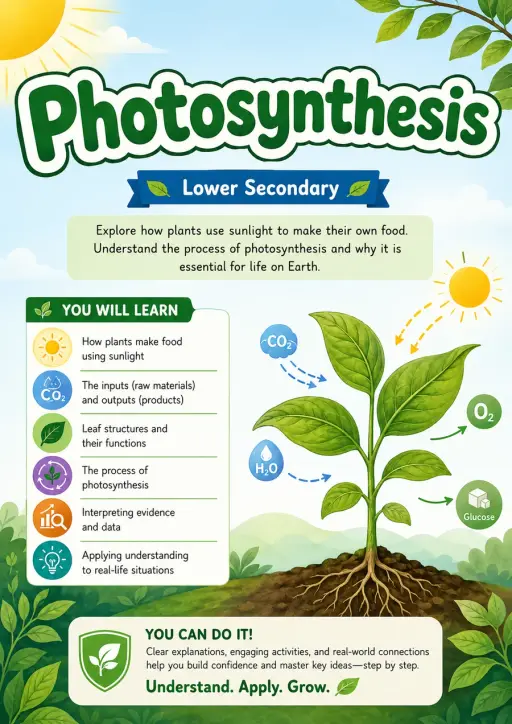
Photosynthesis
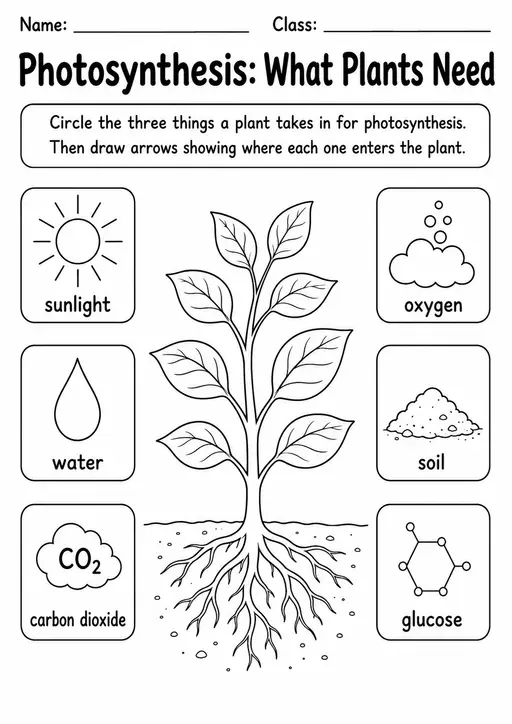
Photosynthesis Worksheets and Answer Keys | 10 Pages | Grades 4-6
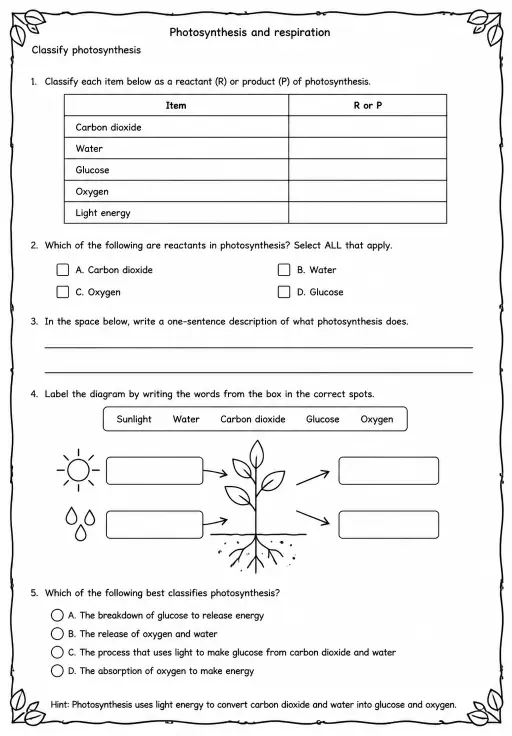
Classify photosynthesis
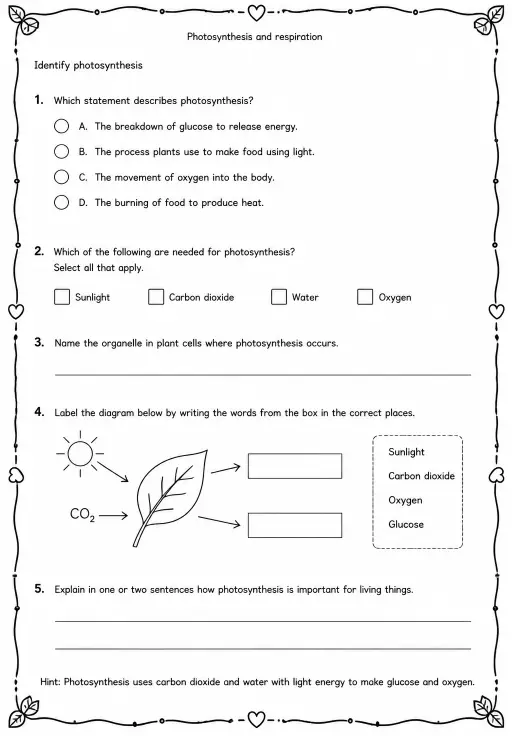
Identify photosynthesis
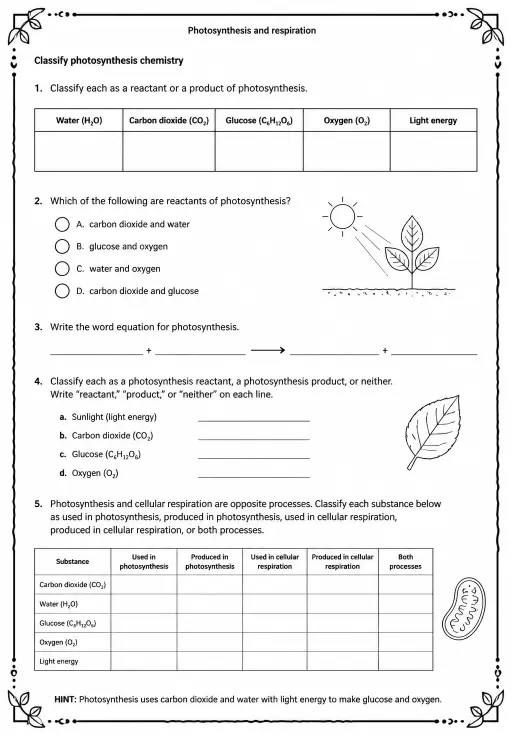
Classify photosynthesis chemistry
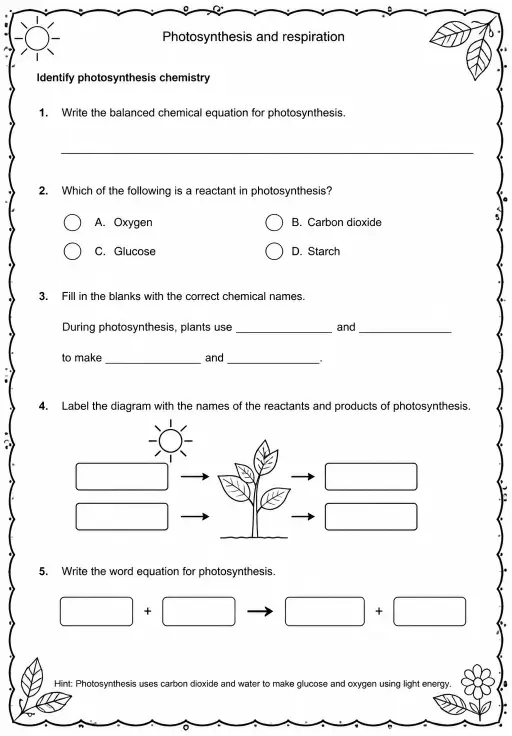
Identify photosynthesis chemistry
Bring interactive science into your classroom
KiwiBee's free teacher workspace brings lesson planning, worksheets, classroom tools, and gradebook together in one place.
Start free and create your first class For big organisations
 For schools
 For centers
 For team leaders
 For teachers
 AI and resources
 Printable worksheets
 Lesson Packs
 Interactive simulations
 Teacher tools
 AI studio
 Ideas and research