
Explore an adult male reference body in 3D. Reveal 14 anatomical systems, search thousands of named structures, isolate organs, and pull 2,209 modeled pieces apart to see how the body is organized.
—
KiwiBee uses optional Google Analytics, Google Ads, and Meta Pixel cookies to understand adult visitors, measure completed sign-ups, and improve campaigns. Essential cookies always stay on. OpenAI’s ChatGPT Ads Pixel also measures page views and completed enquiries after advertising consent, and may use hashed contact details for matching. Privacy policy
Nuclear Fission Reactor is a cutaway 3D simulation of a thermal nuclear reactor core. Nine Uranium-235 fuel assemblies stand inside a Cherenkov-glowing water moderator while a four-finger Boron-10 control rod spider lowers from above. Fast yellow neutrons released by fission bounce through the water moderator, slow into cyan thermal neutrons, and strike U-235 fuel rods to split nuclei into Barium-141 and Krypton-92 daughter fragments. Students drag the control rod spider or adjust U-235 enrichment and moderator density to steer the reactor between Subcritical (k_eff below 1), Critical (k_eff = 1.00), and Supercritical (k_eff above 1) operation.
The multiplication factor k_eff is the average number of neutrons from one fission that go on to cause another fission. When k_eff = 1.00, each fission triggers exactly one new fission on average, keeping the neutron population and reactor thermal power steady.
Newly emitted fission neutrons travel very fast (~20,000 km/s), where Uranium-235 has a small probability of capturing them. Collisions with light hydrogen nuclei in water slow them down to thermal speeds (~2 km/s), increasing the U-235 fission probability by hundreds of times.
Boron-10 and Cadmium nuclei have huge neutron-absorption cross-sections without undergoing fission. Lowering the control rods deeper into the core soaks up free neutrons and lowers k_eff; withdrawing them slightly lets power rise.
SCRAM is an emergency rapid shutdown in which all control rod assemblies are driven or dropped completely (100%) into the reactor core within seconds, immediately making k_eff much less than 1 and stopping the fission chain reaction.
Drop it into your LMS, blog, or class site — free.
<iframe src="https://kiwibee.io/en/simulations/nuclear-fission-reactor-3d-simulation/embed" title="Nuclear Fission Reactor | KiwiBee" loading="lazy" allowfullscreen style="width:100%;height:min(70vh,620px);min-height:420px;border:0;border-radius:16px"></iframe>Continue exploring
Explore an adult male reference body in 3D. Reveal 14 anatomical systems, search thousands of named structures, isolate organs, and pull 2,209 modeled pieces apart to see how the body is organized.
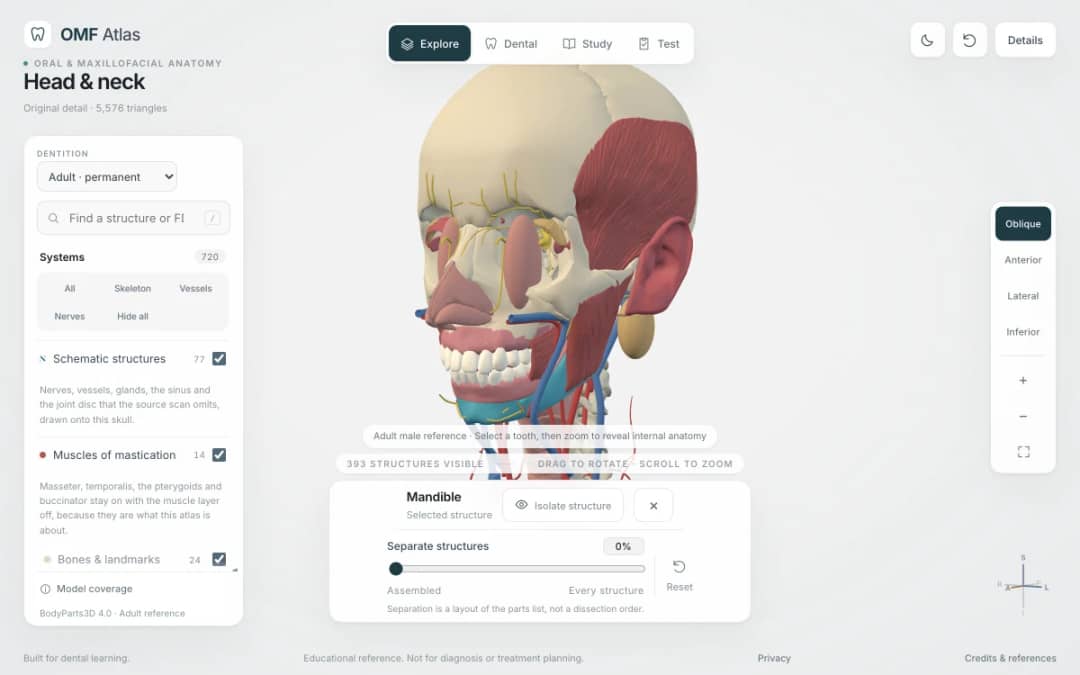
Explore the head and neck in 3D: 643 source meshes across 14 layers, 47 facial and masticatory muscles, and 77 drawn nerves, vessels and glands the source scan omits. Open any tooth onto its own pulp canal, and follow the seven stages of tooth development.

Free interactive photosynthesis simulation. Explore photosynthesis hands-on online — great for whole-class or independent practice.

Free interactive states of matter simulation. Explore states of matter hands-on online — great for whole-class or independent practice.

Free interactive shadows simulation. Explore shadows hands-on online — great for whole-class or independent practice.
From model to evidence
Use a worksheet to capture predictions, observations, and explanations after students explore.
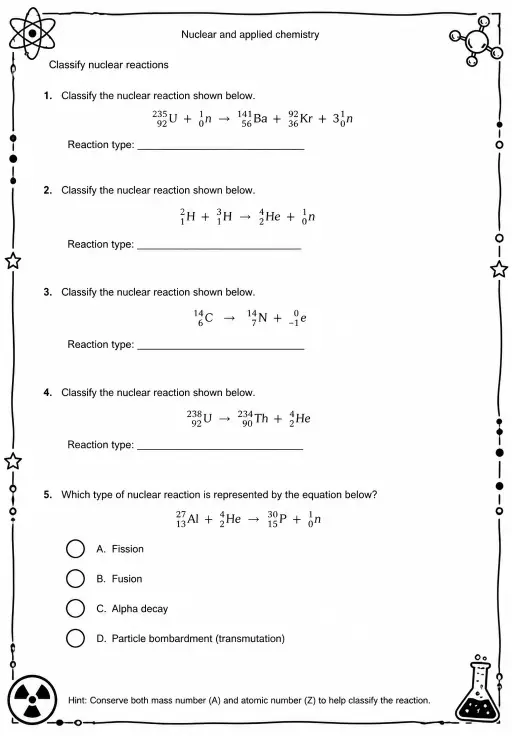
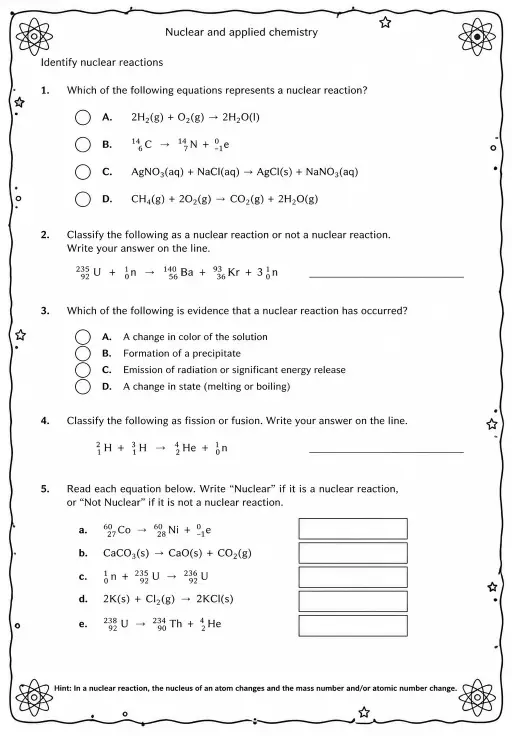
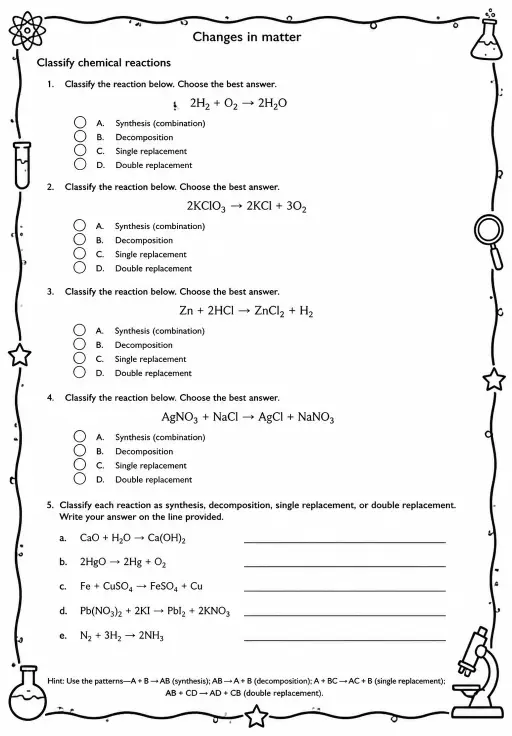


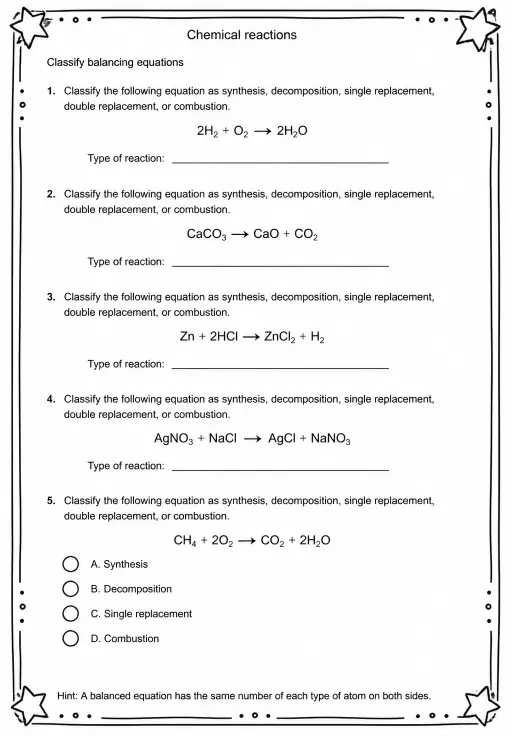
KiwiBee's free teacher workspace brings lesson planning, worksheets, classroom tools, and gradebook together in one place.
Start free and create your first class Home
 All solutions
 Pricing
 About us
 KiwiBee for Non-profits
 Events & webinars
 For big organisations
 For schools
 For centers
 For team leaders
 For teachers
 AI and resources
 Resources
 Printable worksheets
 Lesson Packs
 Interactive simulations
 Teacher tools
 AI studio
 Ideas and research