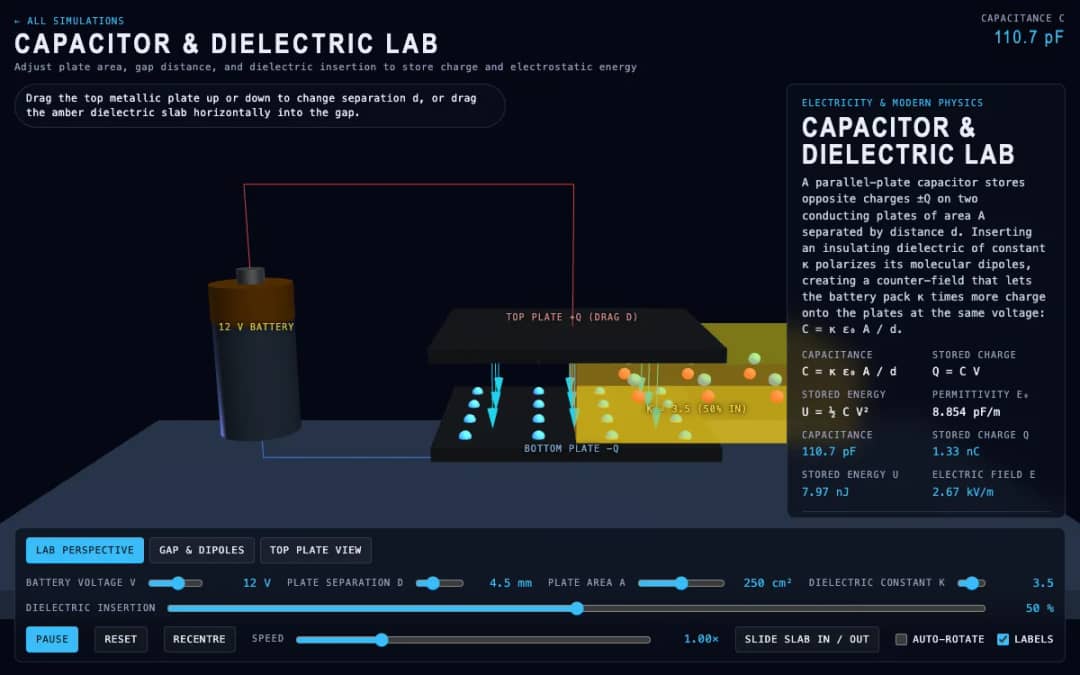
Explore electrostatic charge and energy storage in a 3D parallel-plate capacitor connected to a DC battery. Drag the top plate to change gap separation d, or slide a dielectric slab with visible molecular dipoles into the electric field.
—
KiwiBee uses optional Google Analytics, Google Ads, and Meta Pixel cookies to understand adult visitors, measure completed sign-ups, and improve campaigns. Essential cookies always stay on. OpenAI’s ChatGPT Ads Pixel also measures page views and completed enquiries after advertising consent, and may use hashed contact details for matching. Privacy policy
This 3D simulation shows the electric field of two point charges as a grid of arrows coloured by strength, with small bright dots drifting along the field like a positive test charge. Sliders set each charge between minus 5 and plus 5 microcoulombs and the distance between them. Readouts give the Coulomb force, whether the pair attract or repel, the separation and the field at the midpoint. Teachers can use it to introduce field direction, compare like and unlike charges and test the inverse square law with the class.
Yes. The simulation is free, runs in any modern browser including interactive whiteboards and tablets, and needs no sign-up or download.
By convention the field points the way a small positive test charge would be pushed. It points away from positive charges and toward negative charges, which is why the drifting dots flow out of one and into the other.
The Coulomb force follows an inverse square law, F = k q1 q2 / r squared. Doubling the separation makes the force four times smaller, which you can check with the Separation slider and the force readout.
Drag the sliders for Charge 1, Charge 2 and Separation, and read the values in the panel. Orbit the camera to look from different angles. Ask students to predict the result before each change.
Drop it into your LMS, blog, or class site — free.
<iframe src="https://kiwibee.io/en/simulations/electric-field-3d-simulation/embed" title="Electric Field | KiwiBee" loading="lazy" allowfullscreen style="width:100%;height:min(70vh,620px);min-height:420px;border:0;border-radius:16px"></iframe>Continue exploring
Explore electrostatic charge and energy storage in a 3D parallel-plate capacitor connected to a DC battery. Drag the top plate to change gap separation d, or slide a dielectric slab with visible molecular dipoles into the electric field.
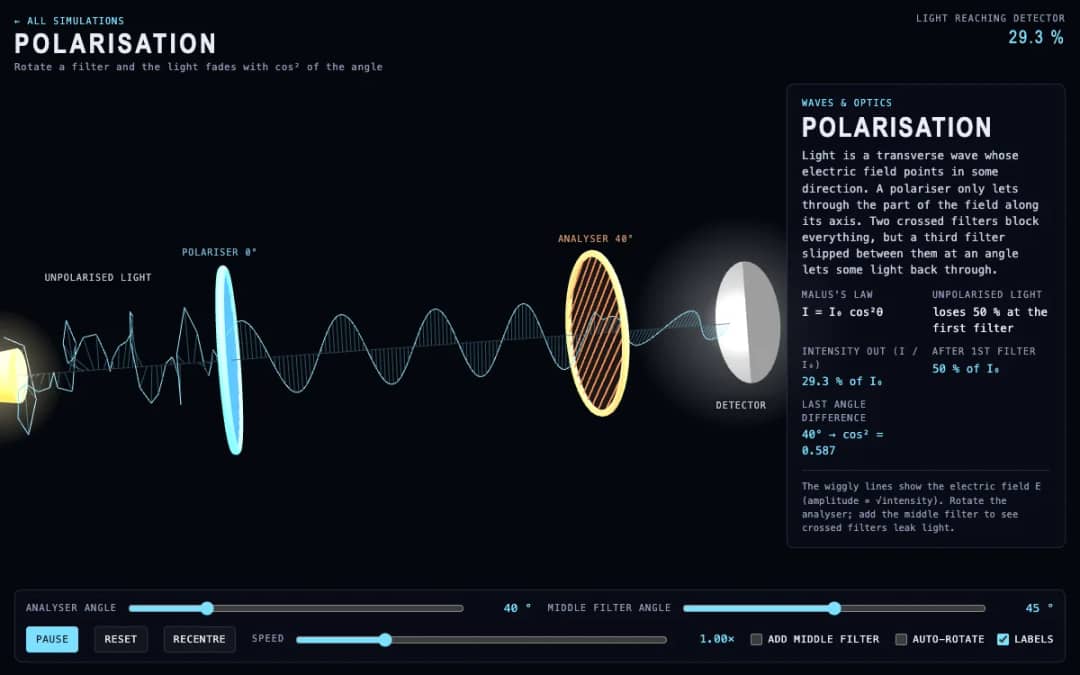
Light passes through polarizing filters shown with its electric field as wiggly lines. Students rotate the second filter, add a middle filter and read how much intensity gets through.
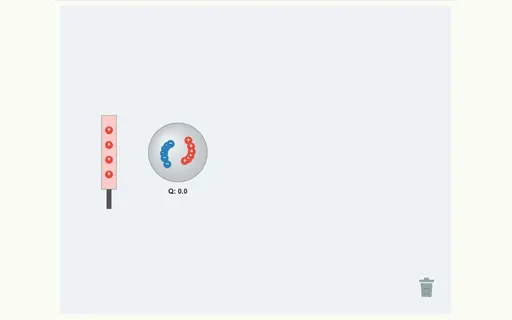
Interactive electrostatic induction simulation with multi-stage polarization, grounding effects, and free sandbox mode for exploring charge distribution and electric fields.
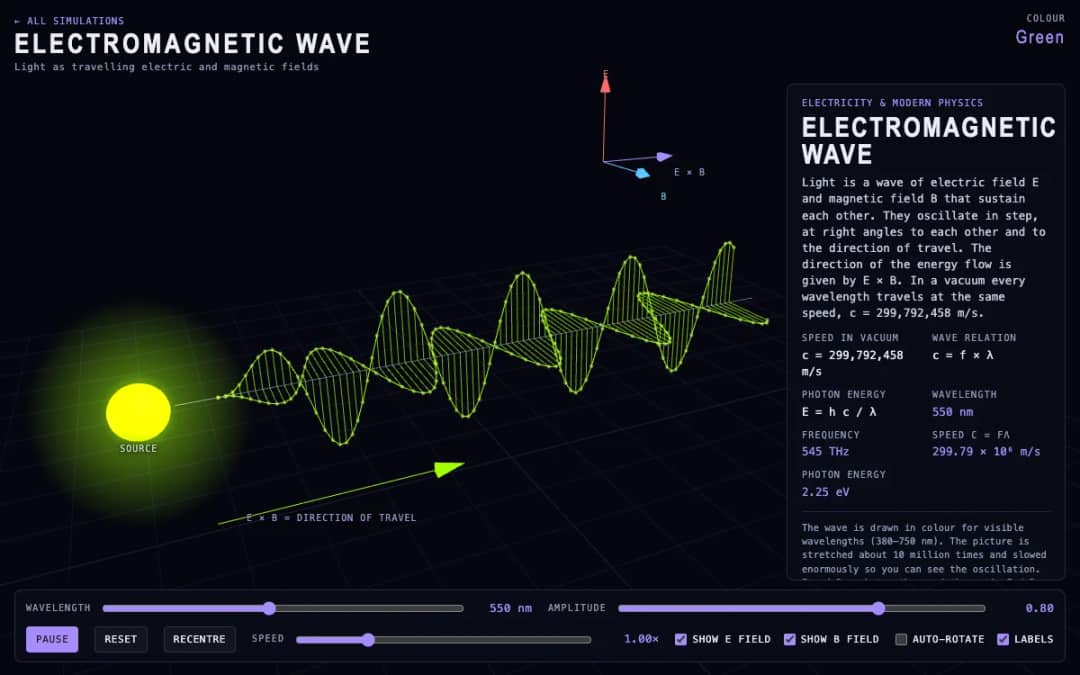
Light is shown as travelling electric and magnetic fields oscillating at right angles to each other. Students change the wavelength across the visible range and see frequency, speed and photon energy readouts update.

Explore an adult male reference body in 3D. Reveal 14 anatomical systems, search thousands of named structures, isolate organs, and pull 2,209 modeled pieces apart to see how the body is organized.
From model to evidence
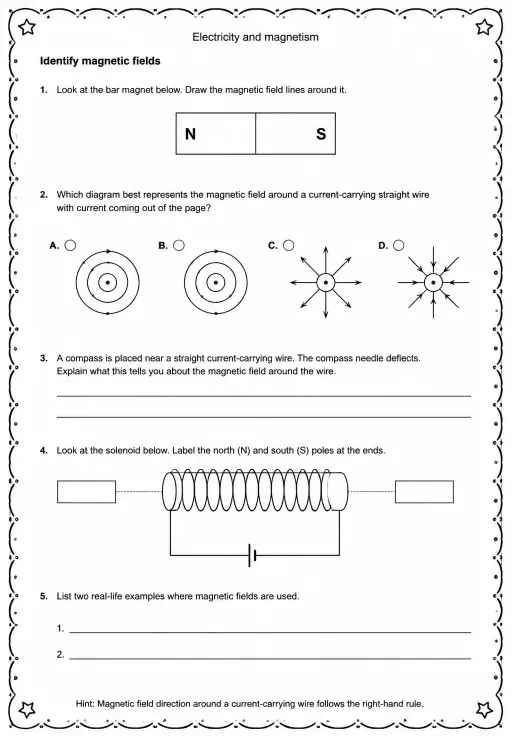
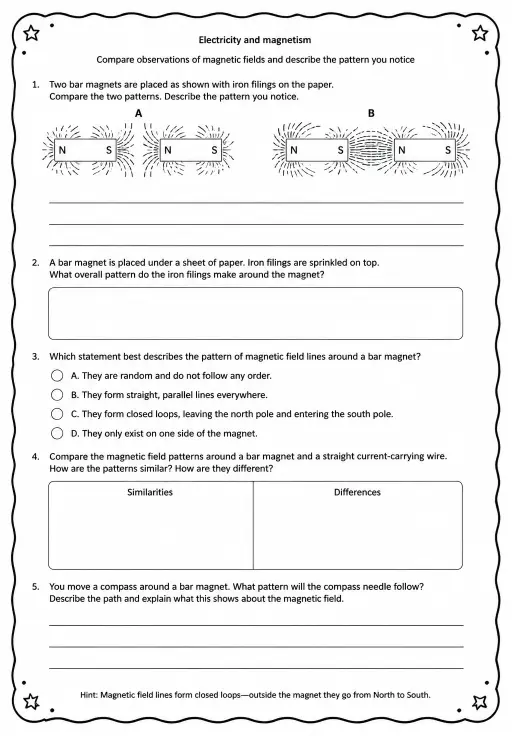
Use a worksheet to capture predictions, observations, and explanations after students explore.
KiwiBee's free teacher workspace brings lesson planning, worksheets, classroom tools, and gradebook together in one place.
Start free and create your first class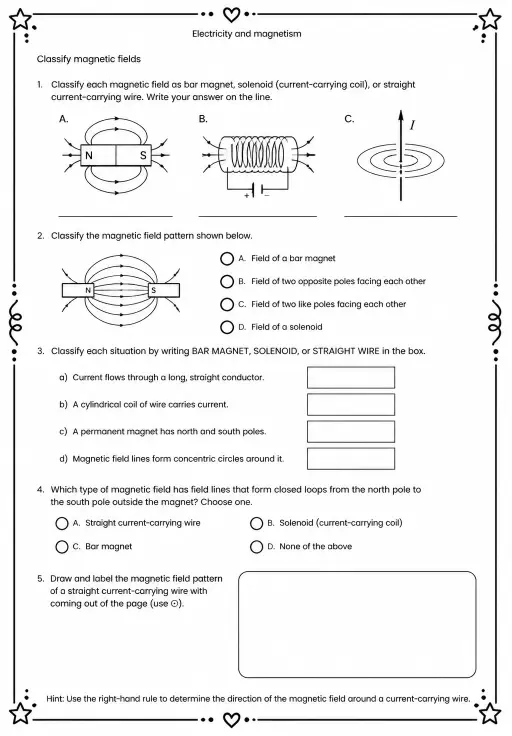
 Home
 All solutions
 Pricing
 About us
 KiwiBee for Non-profits
 Events & webinars
 For big organisations
 For schools
 For centers
 For team leaders
 For teachers
 AI and resources
 Resources
 Printable worksheets
 Lesson Packs
 Interactive simulations
 Teacher tools
 AI studio
 Ideas and research