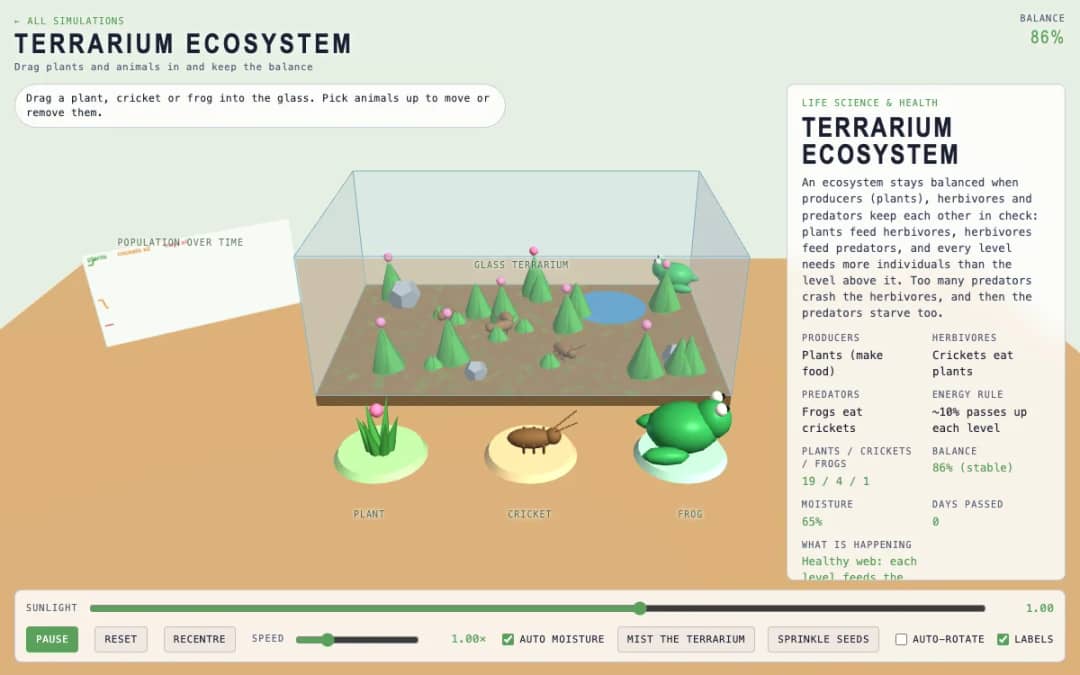
A glass terrarium holds plants, crickets and frogs. Students drag organisms in, mist the soil, sprinkle seeds and set sunlight, then watch populations rise and fall.
—
KiwiBee uses optional Google Analytics, Google Ads, and Meta Pixel cookies to understand adult visitors, measure completed sign-ups, and improve campaigns. Essential cookies always stay on. OpenAI’s ChatGPT Ads Pixel also measures page views and completed enquiries after advertising consent, and may use hashed contact details for matching. Privacy policy
Rabbits hop and nibble, foxes stalk and chase, and hawks circle overhead in a meadow with a pond and a rain gauge. Change the rain, switch animals in or out, or set off a drought, a wildfire or a disease, then watch the numbers on the chart rise, fall and recover year by year.
It is the largest number of animals a place can feed for a long time. When rabbits grow past it, they eat the grass faster than it can grow back, and their numbers fall again.
More rabbits mean more food for foxes, so foxes increase. More foxes catch more rabbits, so rabbits fall, then the foxes go hungry and fall too, and the cycle starts again.
Let the valley run for a few years and ask students to describe the pattern on the chart. Then switch the foxes off, or press Drought or Wildfire, and ask them to predict what will happen before they press Play.
Drop it into your LMS, blog, or class site — free.
<iframe src="https://kiwibee.io/en/simulations/ecosystem-balance-simulation/embed" title="Ecosystem Balance | KiwiBee" loading="lazy" allowfullscreen style="width:100%;height:min(70vh,620px);min-height:420px;border:0;border-radius:16px"></iframe>Continue exploring
A glass terrarium holds plants, crickets and frogs. Students drag organisms in, mist the soil, sprinkle seeds and set sunlight, then watch populations rise and fall.
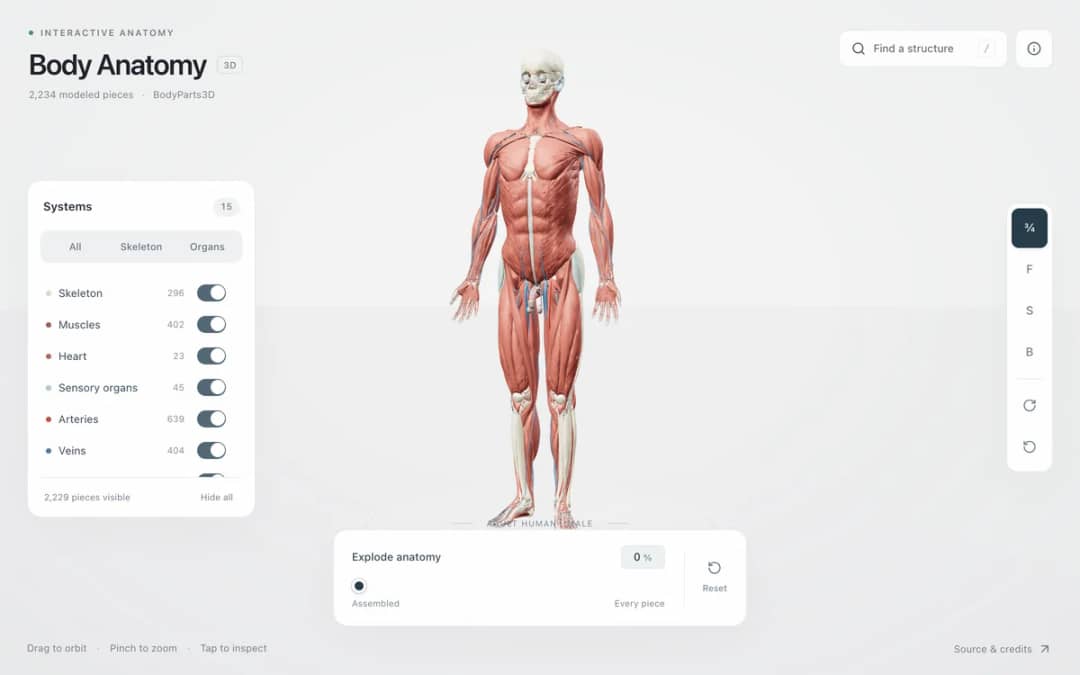
Explore an adult male reference body in 3D. Reveal 14 anatomical systems, search thousands of named structures, isolate organs, and pull 2,209 modeled pieces apart to see how the body is organized.
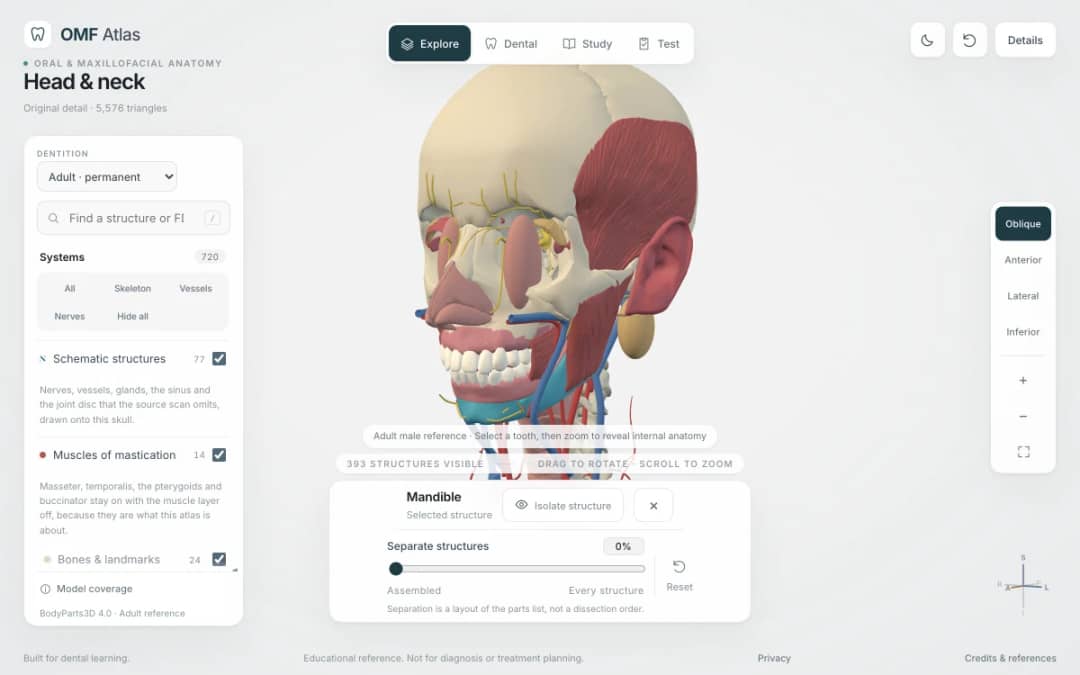
Explore the head and neck in 3D: 643 source meshes across 14 layers, 47 facial and masticatory muscles, and 77 drawn nerves, vessels and glands the source scan omits. Open any tooth onto its own pulp canal, and follow the seven stages of tooth development.

Free interactive photosynthesis simulation. Explore photosynthesis hands-on online — great for whole-class or independent practice.

Free interactive states of matter simulation. Explore states of matter hands-on online — great for whole-class or independent practice.
From model to evidence
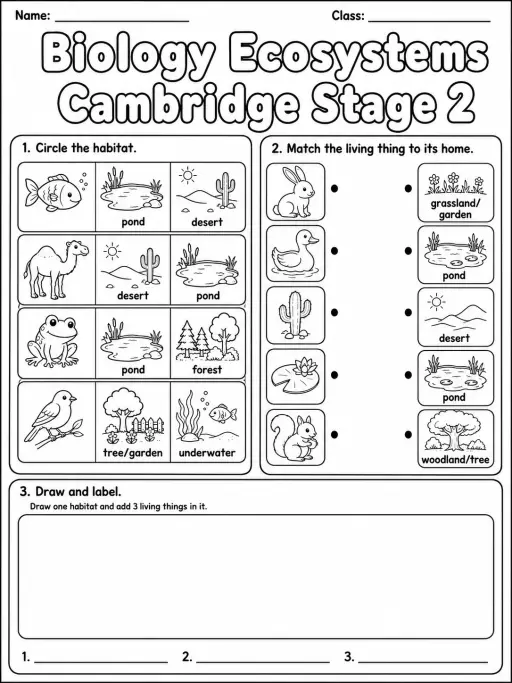
Use a worksheet to capture predictions, observations, and explanations after students explore.
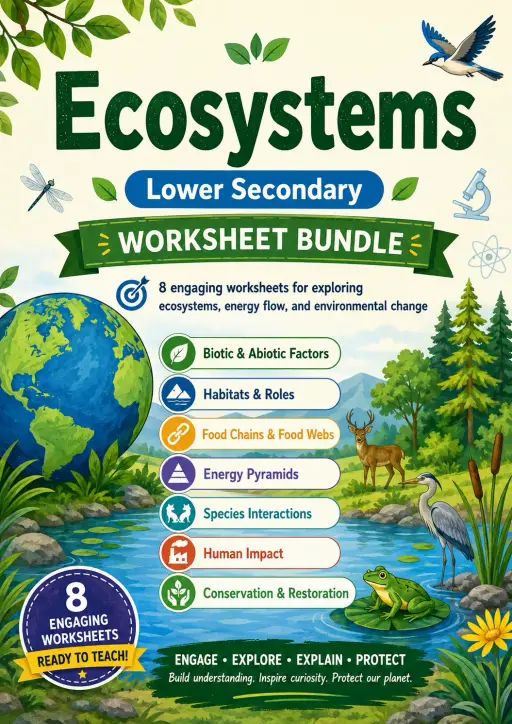
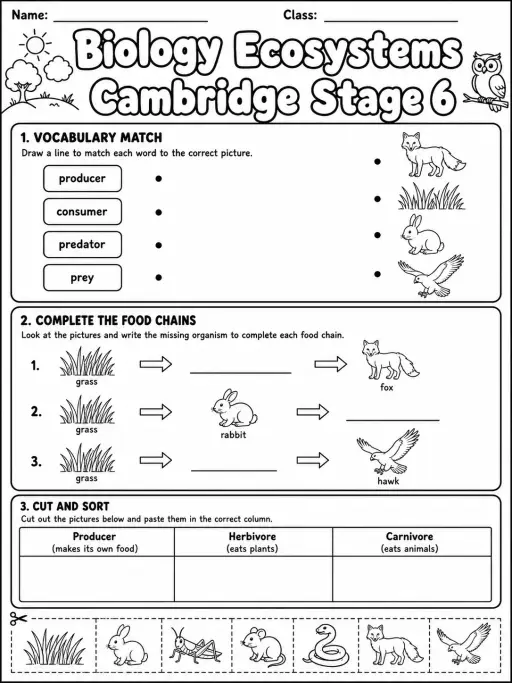
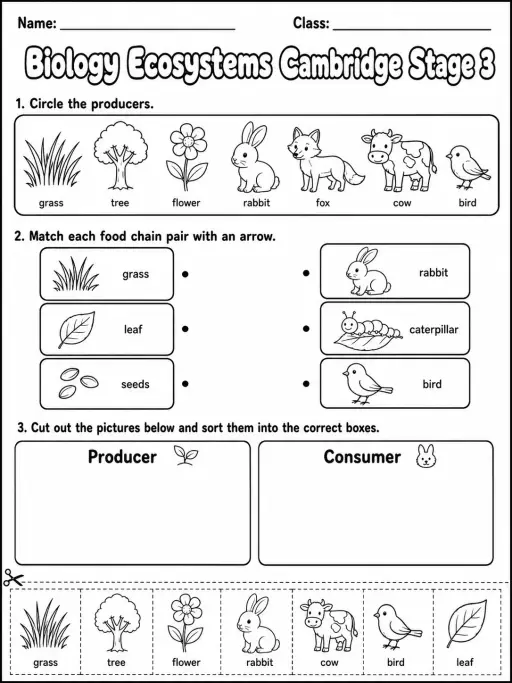
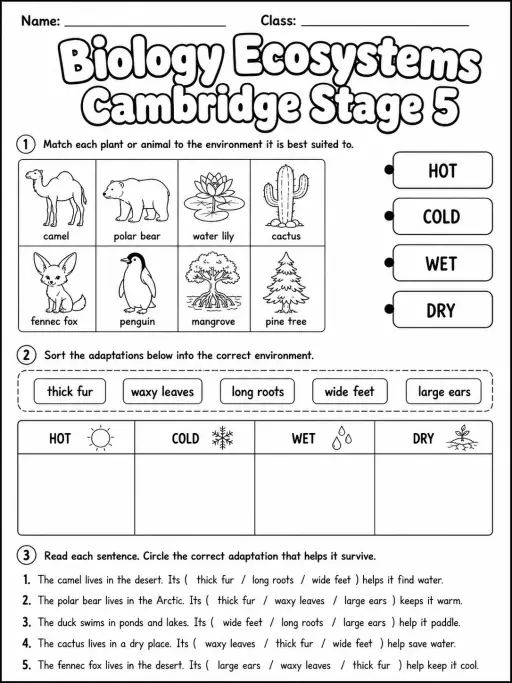
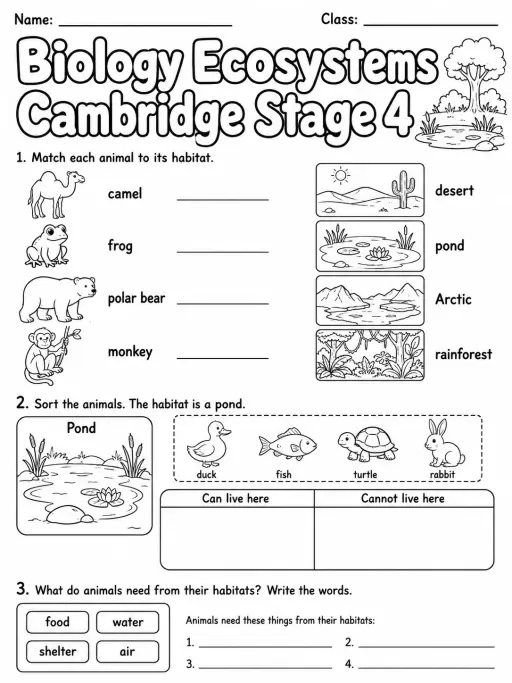
KiwiBee's free teacher workspace brings lesson planning, worksheets, classroom tools, and gradebook together in one place.
Start free and create your first class Home
 All solutions
 Pricing
 About us
 KiwiBee for Non-profits
 Events & webinars
 For big organisations
 For schools
 For centers
 For team leaders
 For teachers
 AI and resources
 Resources
 Printable worksheets
 Lesson Packs
 Interactive simulations
 Teacher tools
 AI studio
 Ideas and research