
Respiratory · Circulatory · Urinary · Skeletal · Muscular · Nervous
—
KiwiBee uses optional Google Analytics, Google Ads, and Meta Pixel cookies to understand adult visitors, measure completed sign-ups, and improve campaigns. Essential cookies always stay on. OpenAI’s ChatGPT Ads Pixel also measures page views and completed enquiries after advertising consent, and may use hashed contact details for matching. Privacy policy
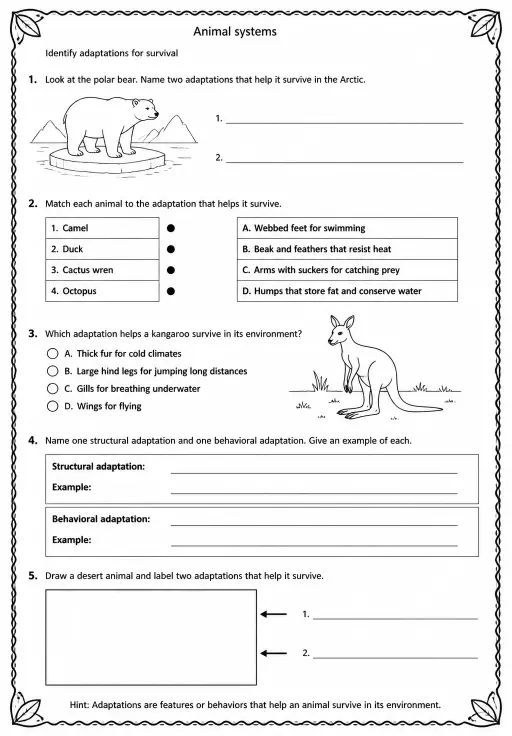
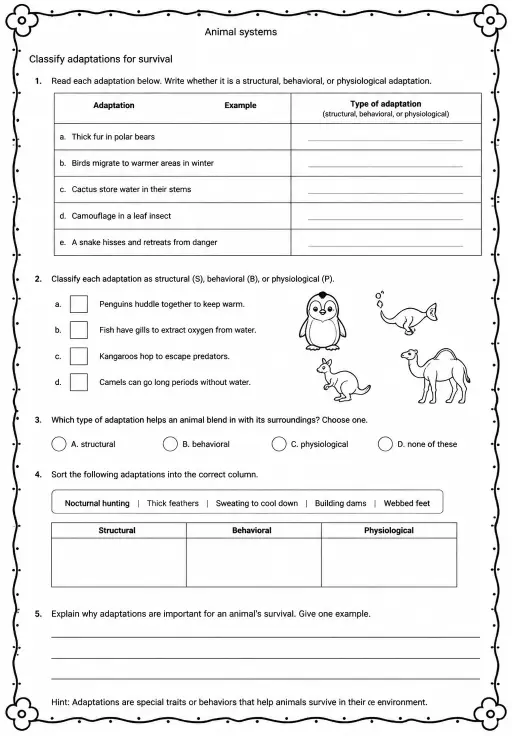
Animals have physical and behavioural features — adaptations — that have evolved over generations to help them survive in their specific habitat. An Arctic animal's thick fur traps heat; a desert camel's hump stores fat for lean times; a streamlined fish's body cuts through water with minimal drag. Each adaptation is a solution shaped by natural selection to a particular environmental challenge. Students can change adaptation and compare what happens. Use it for biology inquiry with Grades 2–5 and Middle School on a projector or student device.
Standards: NGSS 3-LS4-3
Yes. Open the Animal Adaptations simulation in a modern browser with no download or sign-up required.
The simulation includes learning-level presets spanning Grades 2–5 and Middle School. Choose the level that matches your class, then use it on a projector or student devices.
Drop it into your LMS, blog, or class site — free.
<iframe src="https://kiwibee.io/en/simulations/animal-adaptations-simulation/embed" title="Animal Adaptations Interactive Simulation | KiwiBee" loading="lazy" allowfullscreen style="width:100%;height:min(70vh,620px);min-height:420px;border:0;border-radius:16px"></iframe>Continue exploring
Respiratory · Circulatory · Urinary · Skeletal · Muscular · Nervous

Free interactive plant growth simulation. Explore plant growth hands-on online — great for whole-class or independent practice.

Free interactive ecosystems simulation. Explore ecosystems hands-on online — great for whole-class or independent practice.

Free interactive food webs simulation. Explore food webs hands-on online — great for whole-class or independent practice.

Free interactive photosynthesis simulation. Explore photosynthesis hands-on online — great for whole-class or independent practice.
From model to evidence
Use a worksheet to capture predictions, observations, and explanations after students explore.
KiwiBee's free teacher workspace brings lesson planning, worksheets, classroom tools, and gradebook together in one place.
Start free and create your first class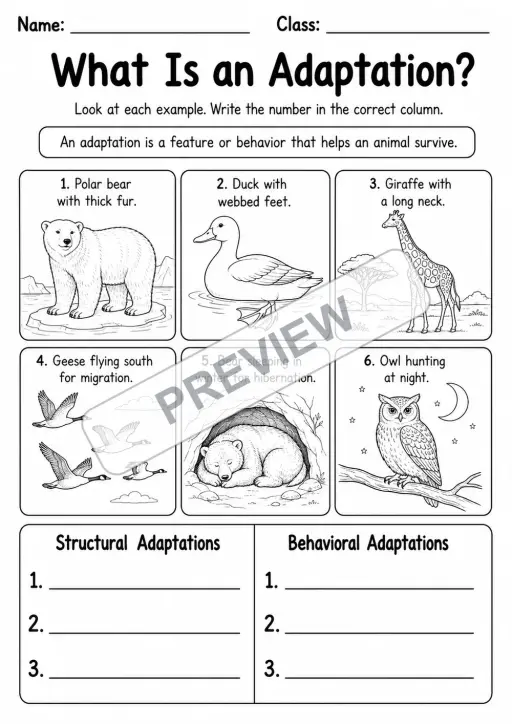
 Home
Home All solutions
 Pricing
 About us
 KiwiBee for Non-profits
 Events & webinars
 For big organisations
 For schools
 For centers
 For team leaders
 For teachers
 AI and resources
 Resources
 Printable worksheets
 Lesson Packs
 Interactive simulations
 Teacher tools
 AI studio
 Ideas and research