ScienceHigh School
KiwiBee uses optional Google Analytics, Google Ads, and Meta Pixel cookies to understand adult visitors, measure completed sign-ups, and improve campaigns. Essential cookies always stay on. OpenAI’s ChatGPT Ads Pixel also measures page views and completed enquiries after advertising consent, and may use hashed contact details for matching. Privacy policy

Picked by meaning from games, worksheets, simulations, teacher tools and videos.
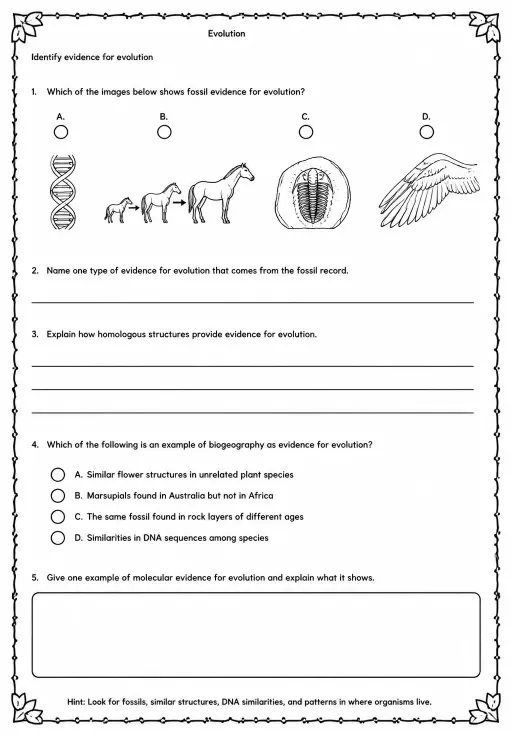
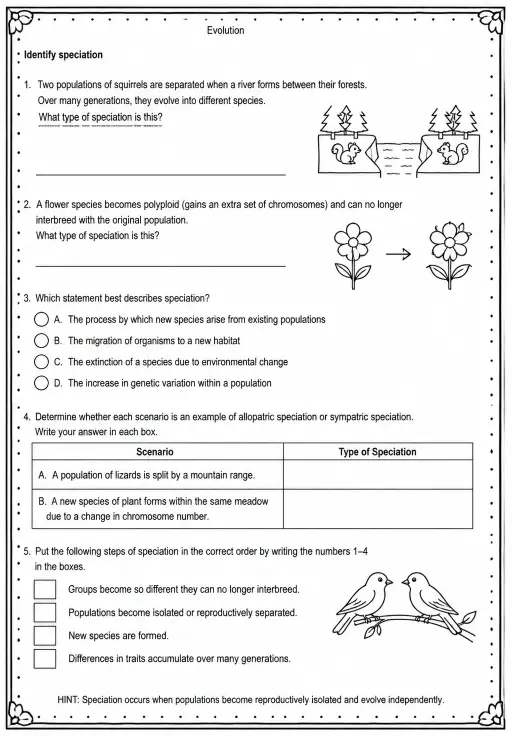 WorksheetIdentify speciation
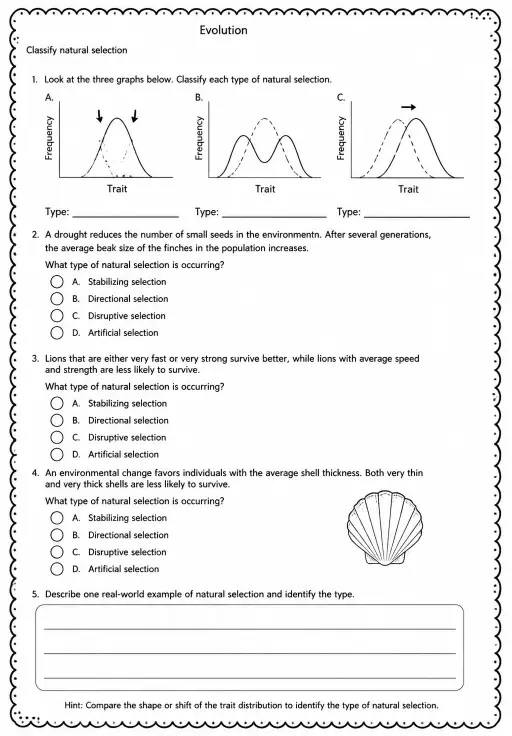 WorksheetClassify natural selection
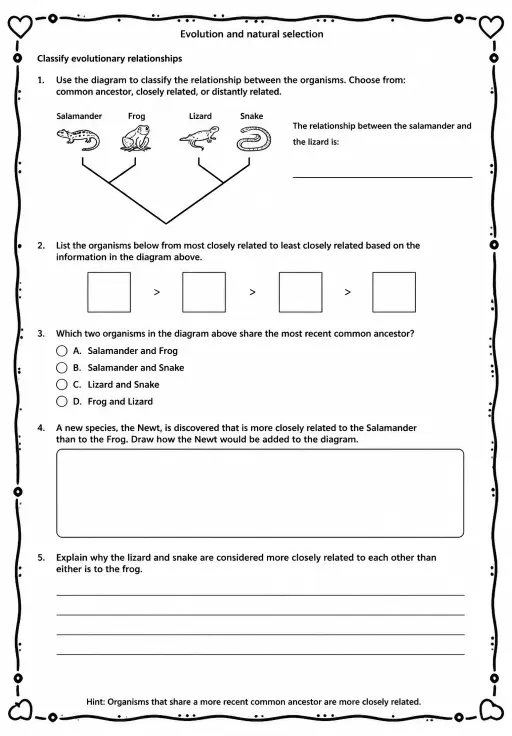 WorksheetClassify evolutionary relationships
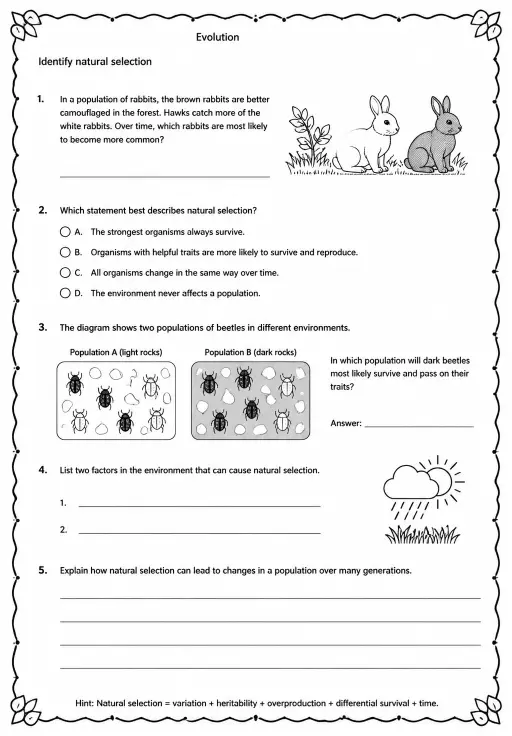 WorksheetIdentify natural selection
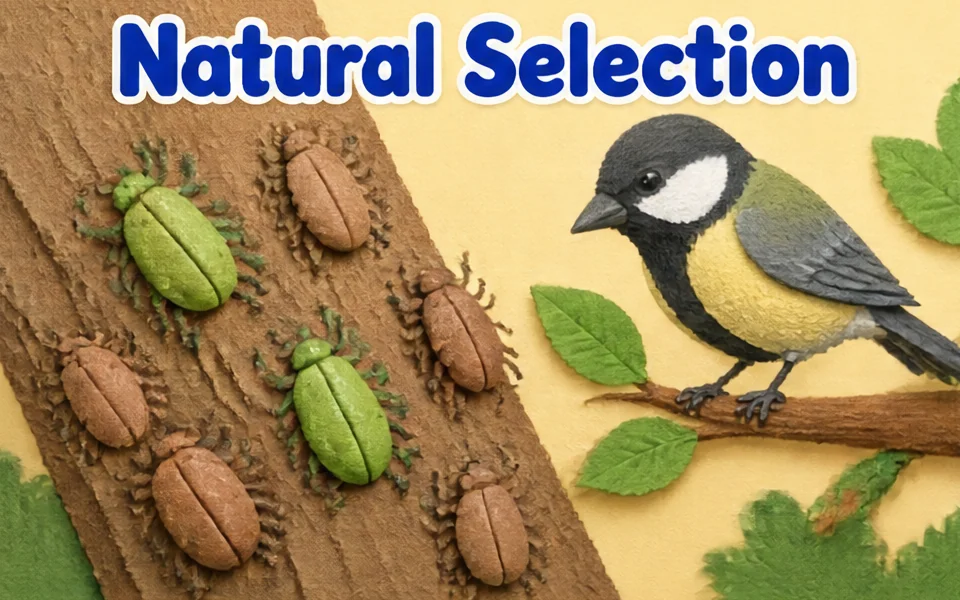 SimulationNatural Selection Interactive Simulation
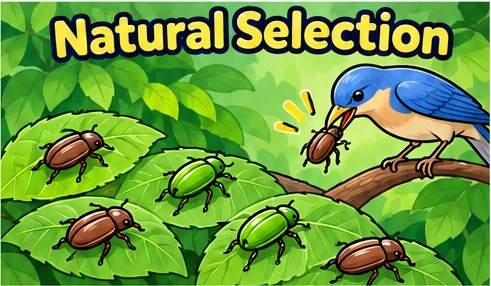 GameEvolution by Natural Selection Quiz
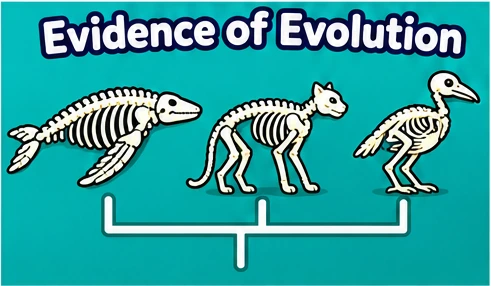 GameEvidence for an Evolutionary Relationship
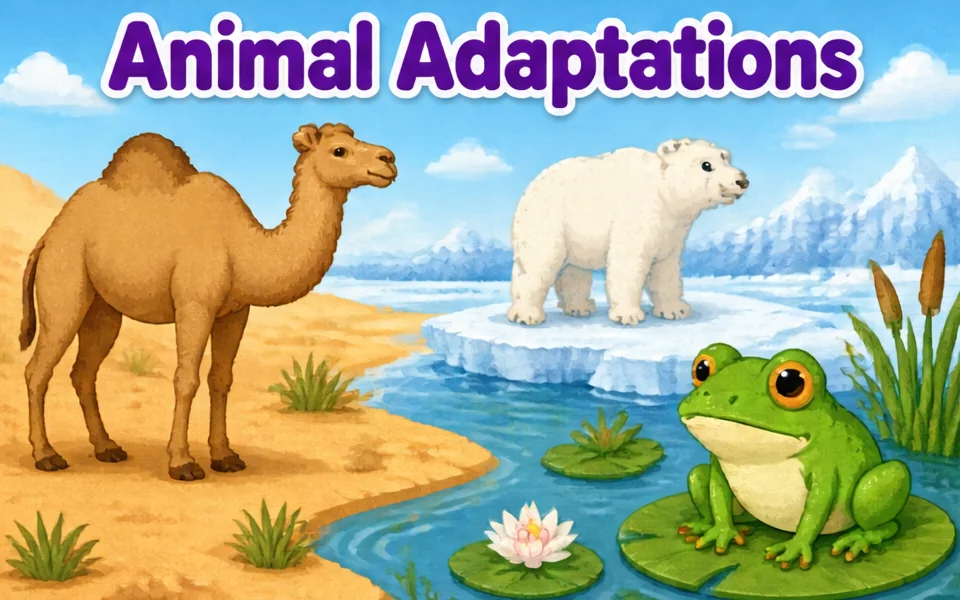 SimulationAnimal Adaptations Interactive Simulation
High-school biology students classify types of speciation in this evolution worksheet, sorting examples of allopatric, sympatric, and other speciation modes by their defining mechanisms. Teachers can use it as a structured review activity after an evolution unit or as a formative assessment to gauge depth of understanding before an exam. Classifying speciation types sharpens students' ability to connect genetic isolation to biodiversity.
Skill lists aligned to IXL Learning skill plans, carried over from KiwiBee's System presets; the Maths section names are KiwiBee's own. IXL is a trademark of IXL Learning; no endorsement is implied.
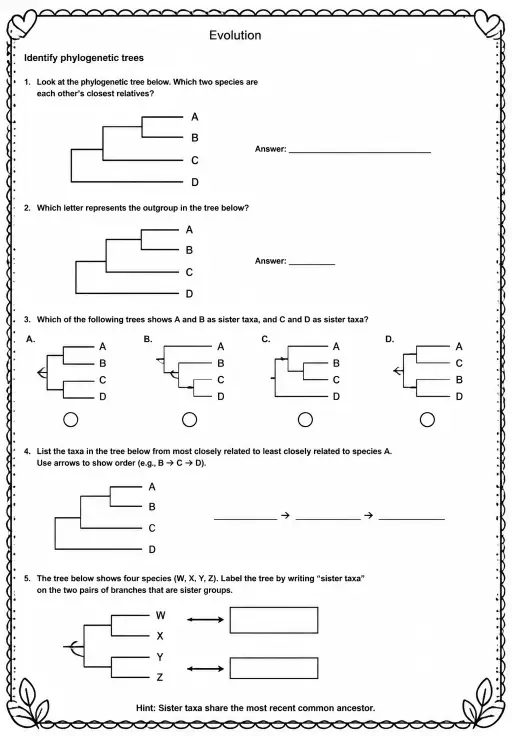
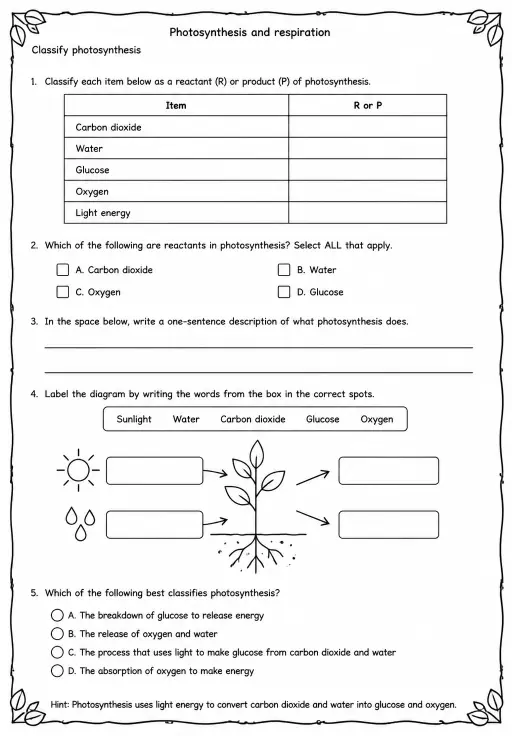
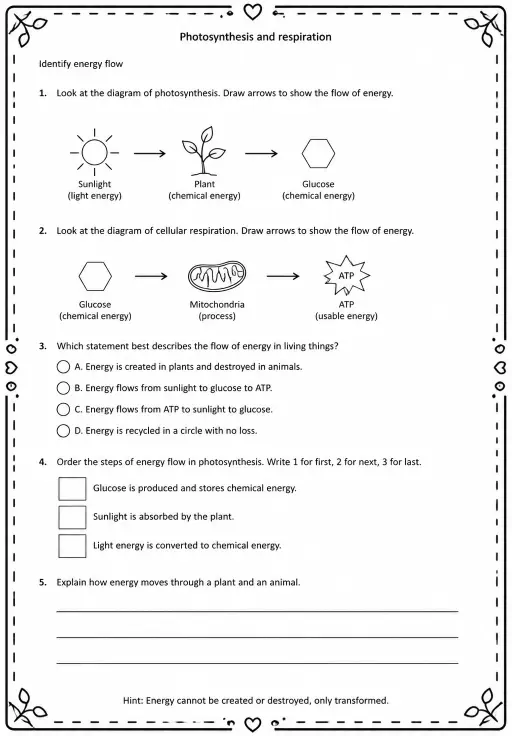
See what other teachers think and share a helpful note.
Generate a fresh worksheet for any grade, topic and language. Free.
 Home
 All solutions
 Pricing
 About us
 KiwiBee for Non-profits
 Events & webinars
 For big organisations
 For schools
 For centers
 For team leaders
 For teachers
 Resources
 Printable worksheets
 Interactive simulations
 Teacher tools
 Ideas and research


